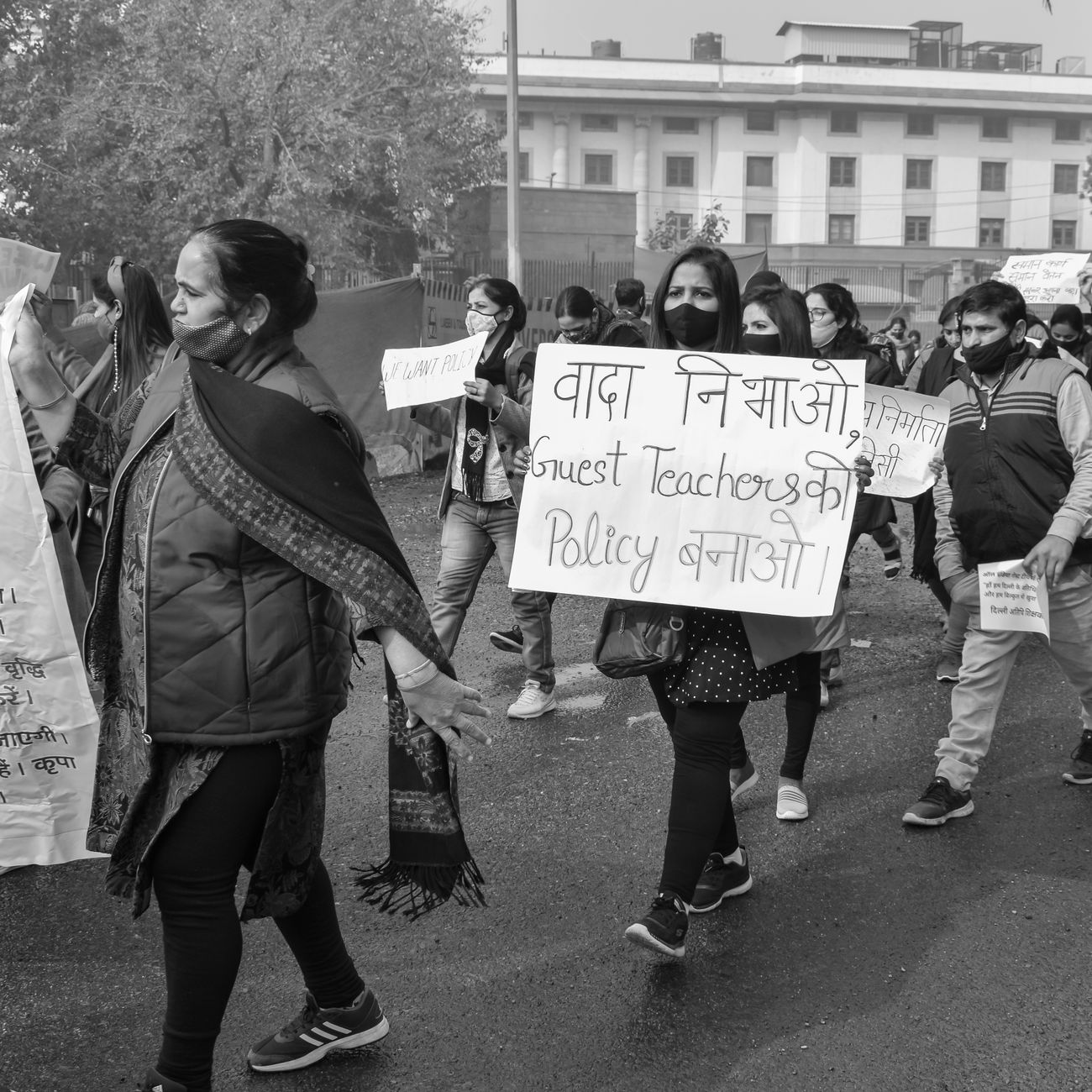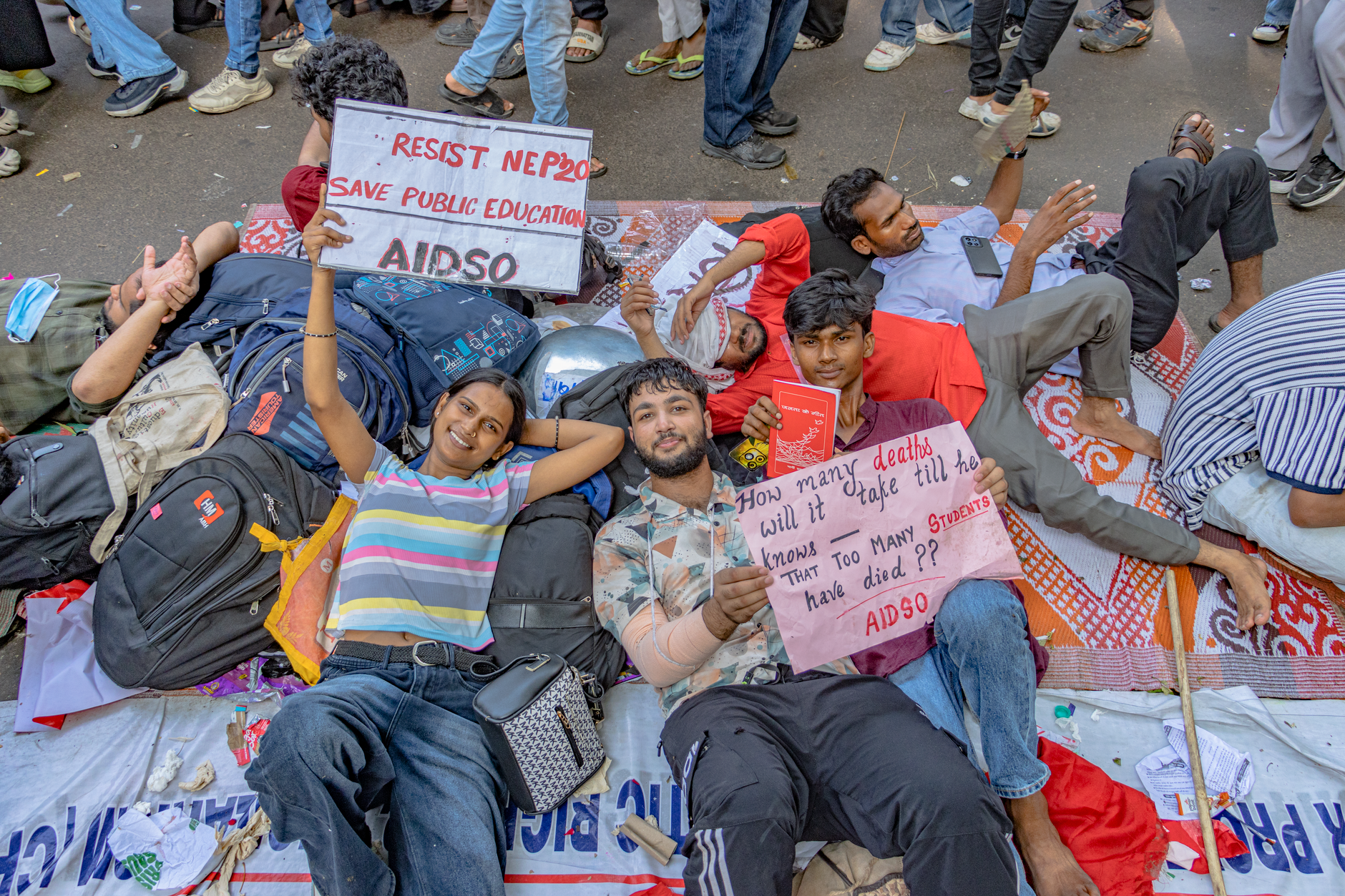
The recent resignation of India's education minister following intense protests by students and young activists represents a watershed moment in Indian education policy. This development highlights the growing power of youth movements in shaping national discourse and raises important questions about the future direction of India's education system.
Understanding the Youth Movement's Demands
Student-led protests in India have historically played crucial roles in political and social change, from the independence movement to contemporary issues. The latest wave of activism emerged from deep-seated frustrations with various aspects of the education system, including examination reforms, curriculum changes, fee structures, and concerns about the quality and accessibility of higher education.
The movement gained momentum through coordinated campus demonstrations, social media campaigns, and peaceful protests that attracted nationwide attention. Young people argued that policy decisions were being made without adequate consultation with students, teachers, and academic institutions themselves.
The Immediate Aftermath
The education minister's resignation creates both opportunities and uncertainties. In the short term, the government will need to appoint a replacement who can restore confidence among students, educators, and parents. This appointment will be closely watched as a signal of whether the government intends to address the movement's concerns or simply weather the immediate crisis.
Several immediate questions emerge. Will pending education reforms be reconsidered or modified? How will the ministry engage with student organizations going forward? And perhaps most importantly, can the momentum of this movement translate into concrete policy changes rather than merely symbolic victories?
Challenges Facing the Movement
Youth movements often struggle to maintain unity and focus after achieving their initial objective. Without a clear antagonist in office, the diverse coalition of students, teachers, and education advocates may find it harder to agree on specific demands and priorities.
The movement must now articulate a comprehensive vision for education reform that goes beyond opposition to particular policies. This includes developing feasible alternatives that address India's complex educational challenges, from rural-urban disparities to the balance between traditional learning and modern skill development.
Potential Areas for Reform
India's education system faces numerous structural challenges that any new minister must address. These include overcrowded classrooms, teacher shortages, outdated curricula, and the pressure-cooker examination culture that many students find overwhelming.
Key areas where reform pressure is likely to continue include:
- Greater student and faculty involvement in policy formulation
- Review of standardized testing and examination systems
- Increased public investment in education infrastructure
- Better alignment between education and employment opportunities
- Enhanced focus on critical thinking and creativity over rote learning
- Addressing digital divide issues highlighted during pandemic-era online learning
The Broader Political Context
This development occurs within India's larger political landscape, where youth unemployment and economic opportunities remain significant concerns. Education policy intersects with employment prospects, making it a sensitive political issue that affects millions of families.
The government's response will likely balance acknowledging legitimate concerns while maintaining its broader policy agenda. Political parties across the spectrum will attempt to position themselves as champions of education reform, potentially making this a significant issue in future elections.
International Precedents and Lessons
Student movements have successfully influenced education policy in various countries. Chile's student protests led to significant education reforms, while movements in South Africa and elsewhere have demonstrated the power of youth activism in shaping national priorities.
However, international experience also shows that translating protest energy into lasting institutional change requires sustained engagement, clear policy proposals, and the ability to work within political systems even while challenging them.
Looking Forward
The coming months will be critical in determining whether this moment represents a temporary disruption or the beginning of fundamental education reform. The appointment of a new minister, government responses to specific demands, and the movement's ability to maintain organized pressure will all play crucial roles.
For students and young activists, the challenge is channeling this success into constructive engagement with policymakers while maintaining their independence and critical voice. For the government, the challenge is demonstrating genuine responsiveness to concerns while managing the complex trade-offs inherent in education policy.
The outcome will have implications far beyond education policy itself, potentially influencing how youth activism shapes other policy areas and how governments respond to grassroots movements in India's democratic system.