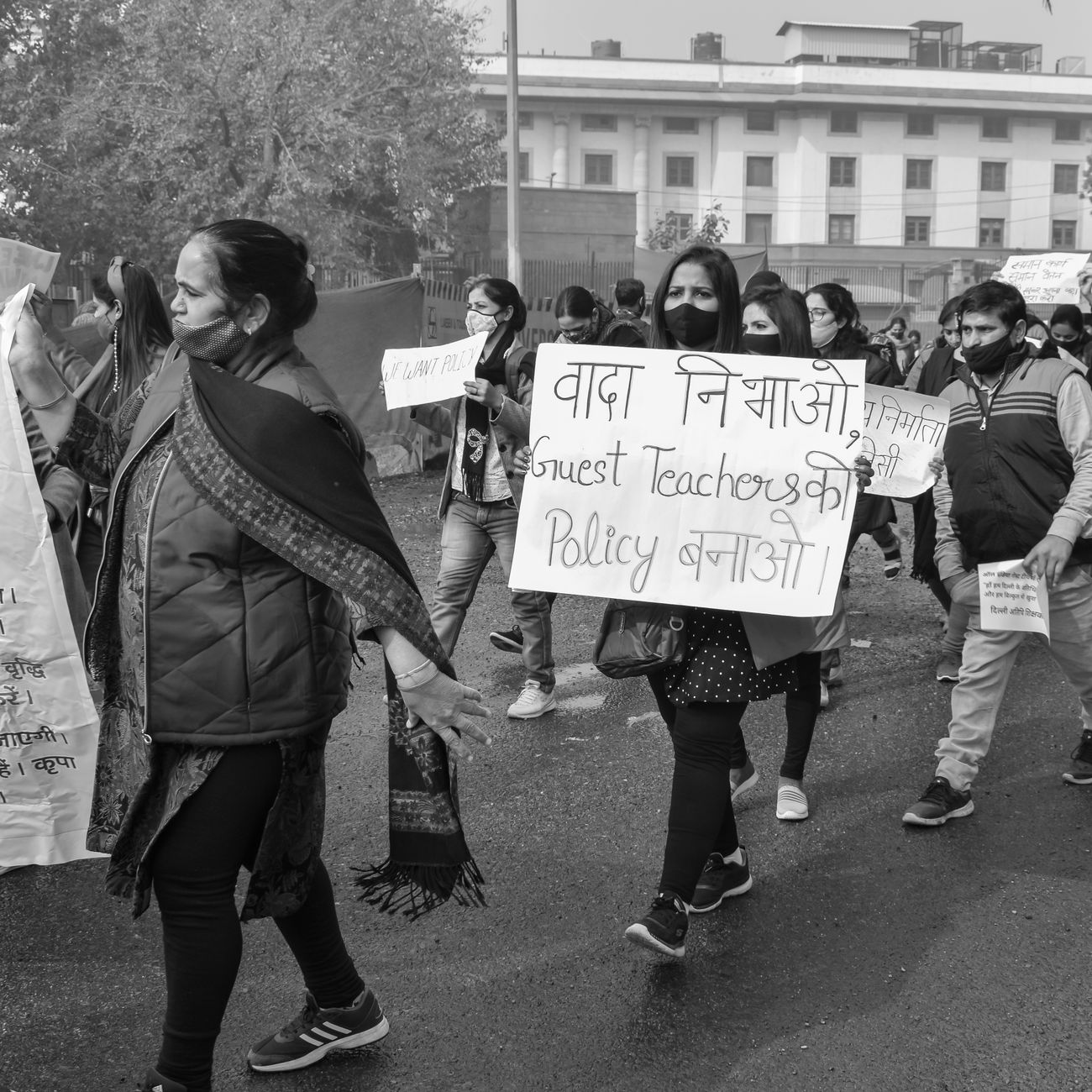
The Indian government has announced a major reshuffle of senior bureaucrats across various ministries, with the Education Secretary among those being transferred. Such administrative changes are a regular feature of India's bureaucratic system, designed to bring fresh perspectives to different departments and prevent stagnation in policy implementation.
Understanding Bureaucratic Reshuffles
Bureaucratic reshuffles in India involve transferring Indian Administrative Service (IAS) officers between different positions within the central government. These officers, who form the steel frame of India's administrative machinery, are typically moved every few years to ensure they gain diverse experience across sectors and to maintain administrative dynamism.
The Education Secretary is one of the most senior bureaucratic positions in the government, responsible for overseeing the implementation of education policies from primary schools to higher education institutions. This position plays a crucial role in shaping India's education landscape, working closely with state governments, educational boards, and institutions to execute national education priorities.
Why These Changes Happen
Several factors drive such reshuffles:
- Completion of typical tenure periods, usually ranging from two to three years in a position
- Need to match officer expertise with ministerial priorities
- Performance assessments and career progression requirements
- Political considerations and ministerial preferences
- Upcoming policy initiatives requiring specific skill sets
- Routine administrative rotation to prevent ossification
Impact on Education Policy Implementation
When a senior bureaucrat like the Education Secretary is transferred, there can be both immediate and long-term implications for the sector. The incoming officer typically needs time to understand ongoing projects, budgetary allocations, and stakeholder relationships that their predecessor had developed.
Current priority areas in India's education sector include implementing the National Education Policy 2020, digital infrastructure expansion through initiatives like PM eVIDYA, strengthening vocational education, improving learning outcomes, and enhancing teacher training programs. Leadership transitions can affect the momentum of these initiatives, though institutional mechanisms usually ensure continuity.
The Broader Reshuffle Context
These changes rarely occur in isolation. When multiple secretaries are transferred simultaneously, it signals a broader administrative recalibration by the government. Such exercises often coincide with mid-term reviews of government performance, preparation for upcoming budgets, or shifts in policy priorities.
The bureaucracy works alongside political leadership, with ministers setting policy direction while secretaries handle implementation. A reshuffle allows the government to align administrative talent with its evolving agenda.
What It Means for Stakeholders
Different groups experience these changes differently:
- Educational institutions may face delays in pending approvals or policy clarifications during transition periods
- State governments might see shifts in coordination dynamics with the central ministry
- Students and parents could experience indirect effects if major schemes face implementation slowdowns
- Policy advocacy groups may need to rebuild relationships with new leadership
However, India's bureaucratic system has built-in mechanisms to ensure continuity. Files, committee structures, and institutional processes continue regardless of personnel changes. Junior officers maintain operational knowledge and brief incoming seniors, helping preserve momentum on critical initiatives.
Historical Perspective
Bureaucratic reshuffles have been a constant feature of Indian administration since independence. Some transfers have led to accelerated policy implementation when officers with relevant experience were matched with appropriate portfolios. Others have created temporary disruptions before normalcy resumed.
The frequency of such reshuffles has increased in recent decades, with governments using these movements as tools for administrative reform and improved governance. Critics sometimes argue that frequent transfers prevent officers from developing deep expertise, while supporters contend they prevent complacency and corruption.
Looking Ahead
As the new Education Secretary settles in, the focus will be on ensuring seamless continuation of existing programs while potentially bringing new ideas to address persistent challenges. India's education sector faces significant tasks ahead, including bridging learning gaps exposed by the pandemic, expanding quality education access, and preparing youth for evolving job markets.
The success of this transition will ultimately depend on effective handover processes, institutional support systems, and the new secretary's ability to quickly grasp sectoral nuances. Stakeholders across the education ecosystem will watch closely to assess any shifts in policy emphasis or implementation approaches.
This article is for general informational purposes only and reflects typical patterns in Indian bureaucratic administration. Specific details about individual transfers and their implications may vary based on official announcements and subsequent policy developments.