The Indian education sector has witnessed a significant administrative shake-up with the replacement of Education Secretary Vineet Joshi, a move that comes amid widespread protests and growing concerns over the integrity of competitive examinations in the country. This development highlights the mounting pressure on authorities to address systemic issues that have plagued India's examination system.
The Paper Leak Crisis
India's competitive examination ecosystem has been under severe scrutiny following multiple instances of question paper leaks across various tests. These leaks have affected examinations conducted by different bodies, undermining the credibility of the selection process and affecting millions of aspirants who prepare for years to crack these tests.
Paper leaks represent one of the most serious challenges to educational integrity, as they:
- Compromise the merit-based selection system
- Disadvantage honest candidates who prepare diligently
- Erode public trust in government institutions
- Create an uneven playing field favouring those with access to leaked papers
- Result in cancelled examinations and re-tests, causing massive disruption
The cascading effects of such leaks extend beyond individual candidates, impacting families who invest significant resources in coaching and preparation, and delaying career prospects for lakhs of young Indians.
Understanding the Protest Movement
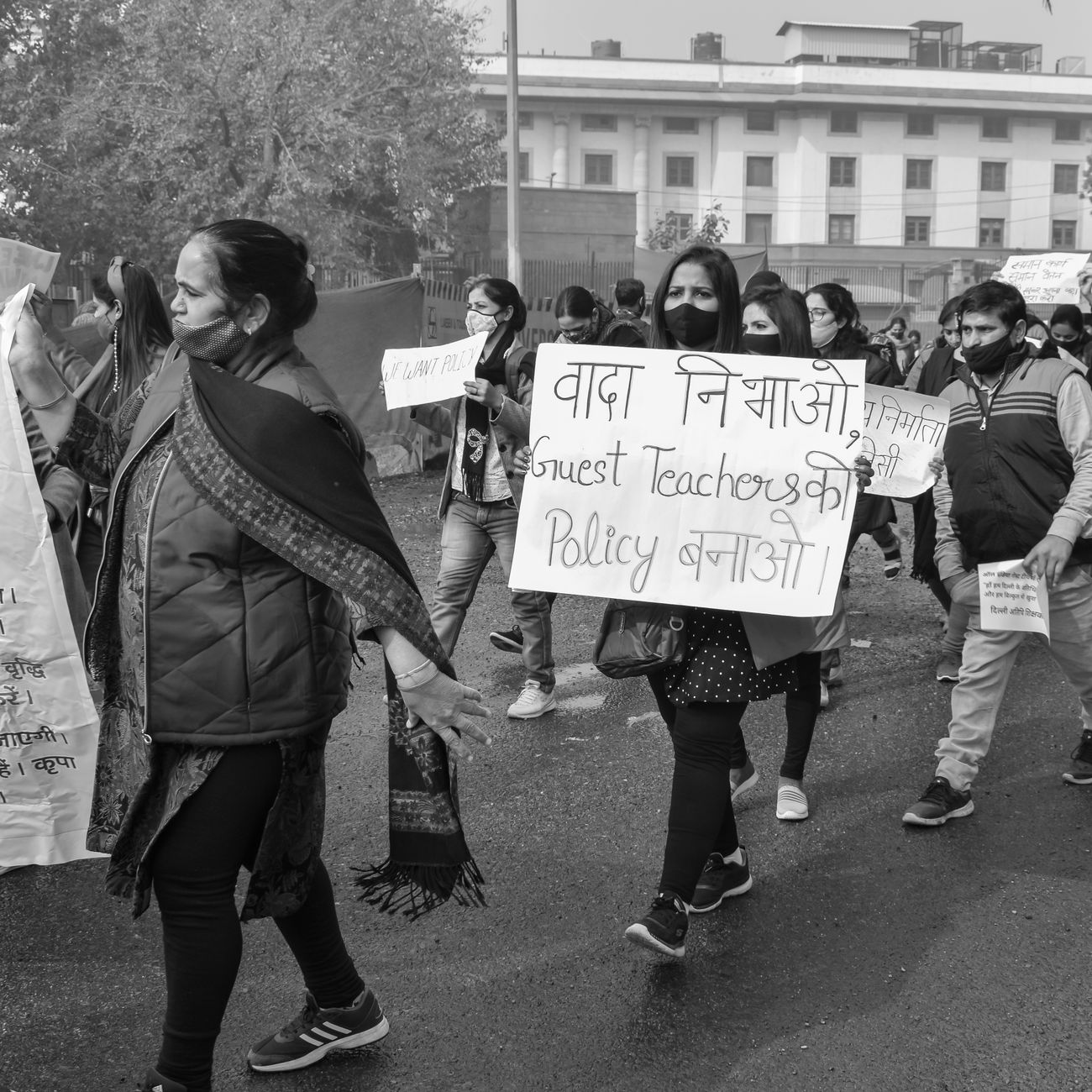
Civil society organisations and student groups have been vocal in demanding accountability from officials responsible for conducting fair examinations. Protests have intensified as stakeholders argue that systemic failures require not just procedural changes but also accountability at the leadership level.
The replacement of senior officials is often viewed as a necessary step toward restoring confidence in the examination system. However, critics argue that personnel changes alone cannot address deeper structural issues without comprehensive reforms.
The Broader Impact on Students
For millions of students preparing for competitive examinations, paper leaks create an atmosphere of uncertainty and demoralisation. Many aspirants spend years preparing for single-attempt examinations, and the possibility of leaks undermines their hard work.
The psychological toll on students includes:
- Anxiety about the fairness of upcoming examinations
- Loss of faith in meritocratic principles
- Financial burden due to repeated examination cycles
- Delayed career progression and uncertainty about future plans
Students from economically disadvantaged backgrounds are disproportionately affected, as they often lack the resources to repeatedly appear for examinations or access alternative pathways.
Systemic Challenges in India's Examination System
The recurring nature of paper leaks points to systemic vulnerabilities in how examinations are conducted. Several factors contribute to this problem, including inadequate security protocols during paper setting and printing, lack of technological safeguards, human error and corruption in the examination ecosystem, and insufficient background checks for personnel involved in exam administration.
Addressing these challenges requires a multi-pronged approach that combines technology, transparency, and accountability mechanisms.
The Path Forward
Restoring credibility to India's examination system demands comprehensive reforms beyond administrative changes. Experts suggest several measures that could strengthen the integrity of competitive tests.
Technology can play a crucial role through computerised adaptive testing, blockchain-based question bank management, real-time monitoring systems, and biometric authentication for candidates. Additionally, institutional reforms should include independent oversight bodies, stringent background verification for examination officials, transparent investigation processes for alleged leaks, and swift legal action against those found guilty.
Implications for Educational Governance
This leadership transition reflects the government's recognition that public confidence in educational institutions cannot be taken for granted. The replacement of senior officials signals an acknowledgment that accountability is essential for maintaining the legitimacy of India's competitive examination framework.
However, the true test lies in whether this change catalyses meaningful reform or remains a symbolic gesture. Stakeholders will be watching closely to see if new leadership brings innovative solutions to prevent future breaches and restore faith in the system.
Looking Ahead
The coming months will be critical in determining whether India's examination system can overcome its credibility crisis. Students, parents, and educators await concrete actions that demonstrate commitment to fair and transparent testing processes. The focus must shift from reactive measures to proactive prevention, ensuring that merit remains the sole criterion for success in competitive examinations.
As India continues to produce millions of examination aspirants annually, the stakes for getting this right have never been higher. The replacement of senior officials may mark the beginning of reform, but sustained effort and structural changes will determine whether lasting improvements materialise.