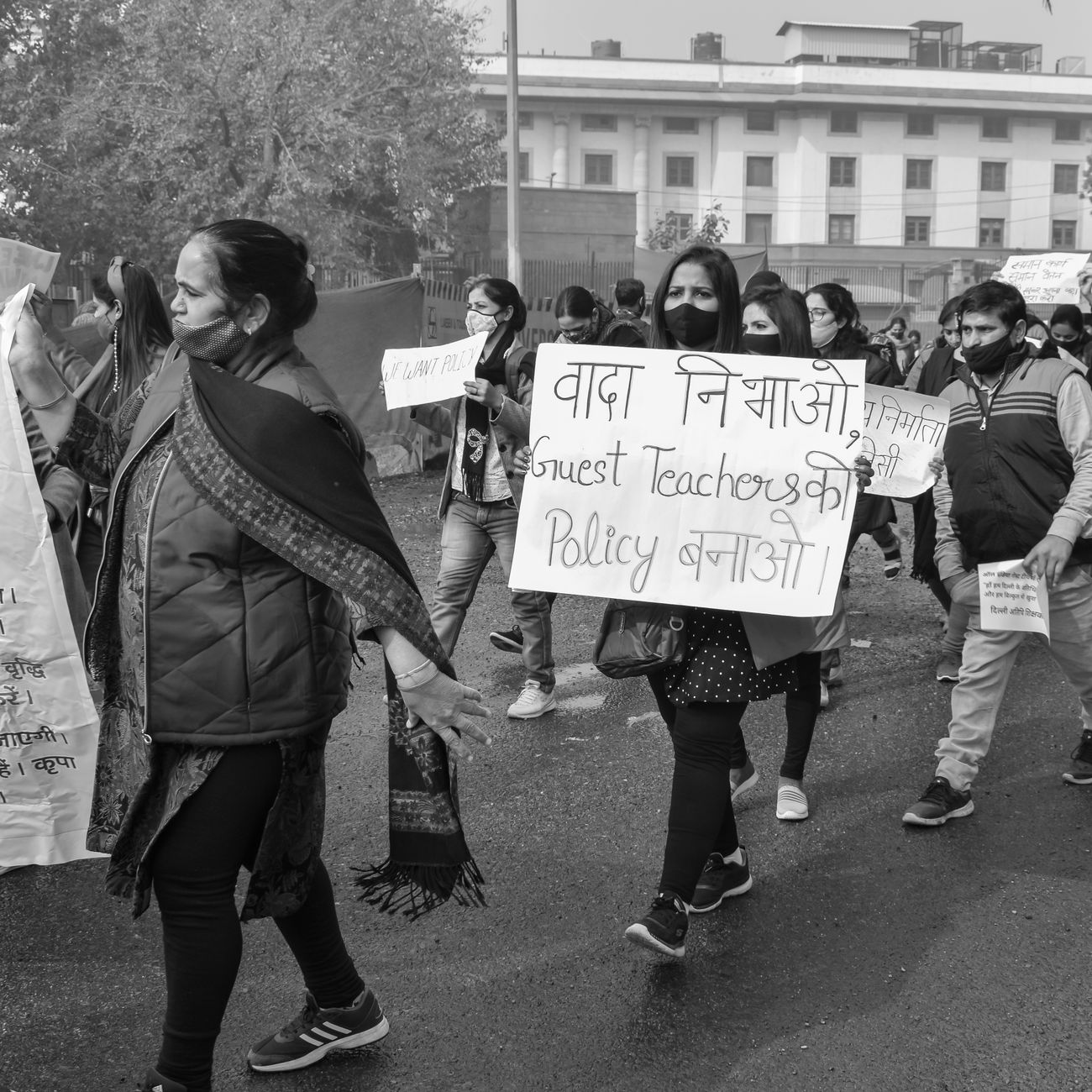
The central government has initiated a significant bureaucratic reshuffle in response to mounting public anger over repeated examination paper leaks that have shaken confidence in India's higher education system. The replacement of the Higher Education Secretary marks a crucial step in addressing the crisis that has affected millions of students across the country.
The Growing Problem of Exam Paper Leaks
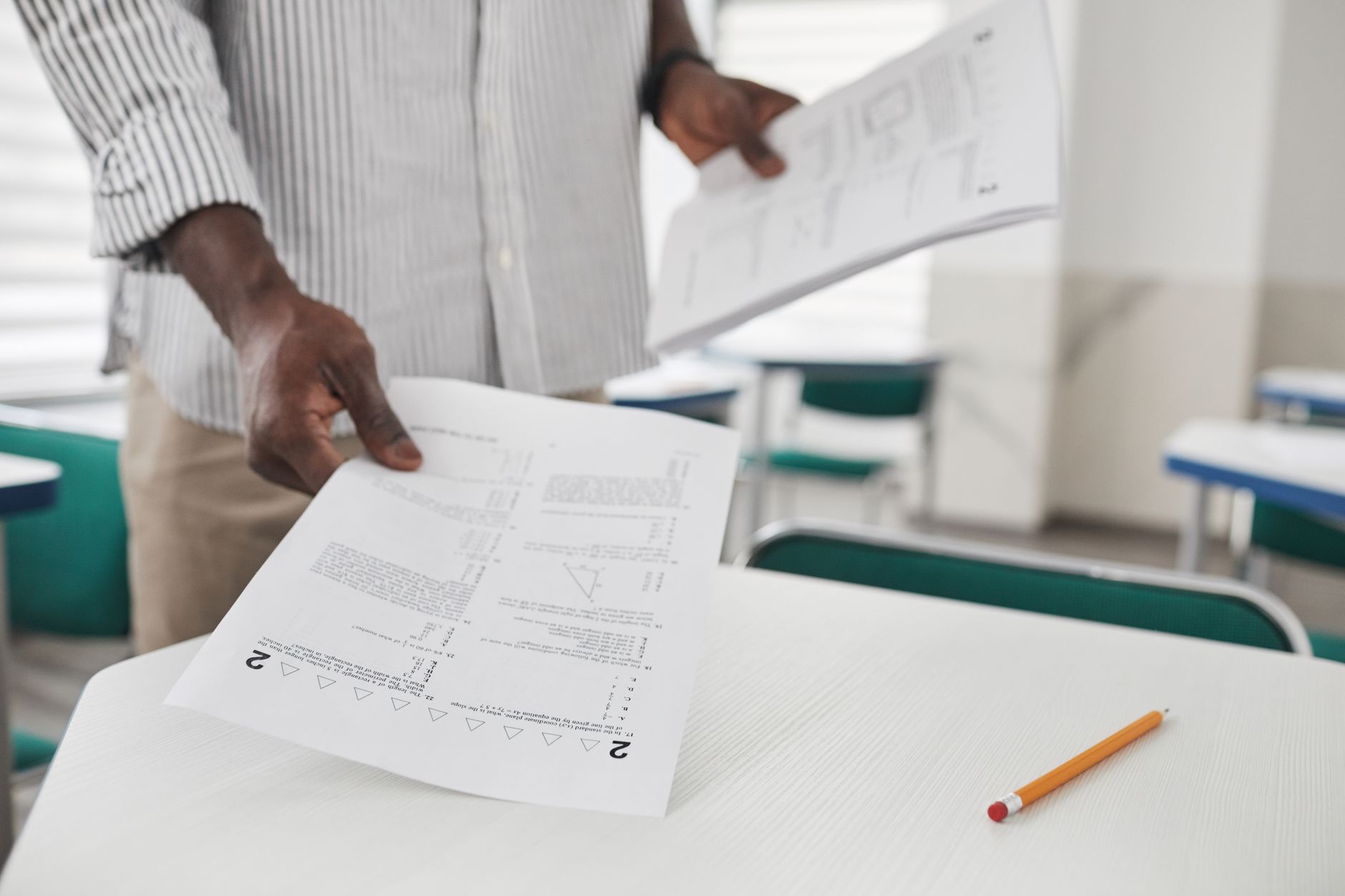
Examination paper leaks have become an increasingly serious concern in India's education sector over recent years. These incidents typically involve the unauthorized disclosure of question papers before the scheduled examination time, either through physical theft, digital breaches, or insider involvement. When such leaks occur, they fundamentally undermine the fairness of competitive examinations that determine admission to prestigious institutions or recruitment to government positions.
The consequences of these leaks extend far beyond individual examinations. Students who have spent months or years preparing for these tests find their efforts devalued. The credibility of certifying bodies and examination conducting authorities comes under question. Most importantly, the principle of merit-based selection—a cornerstone of India's educational and employment framework—gets compromised.
Recent High-Profile Cases
Several major examination leaks have captured national attention in recent times. Competitive examinations for medical college admissions, engineering entrance tests, and various government recruitment exams have all been affected. In some cases, organized networks involving examination center staff, printing press employees, and middlemen have been discovered operating across multiple states.
These incidents have led to examination cancellations, re-tests, and prolonged legal battles. Lakhs of honest students have had to reappear for exams, causing delays in admissions and career progression. The financial and emotional toll on families has been substantial, particularly for students from economically weaker sections who invest significant resources in exam preparation.
Systemic Vulnerabilities
The recurring nature of these leaks points to deeper systemic issues within India's examination ecosystem. The process of question paper preparation, printing, storage, transportation, and distribution involves multiple touchpoints, each representing a potential vulnerability. Despite guidelines and protocols, enforcement remains inconsistent across different examination bodies and states.
The involvement of technology has introduced new challenges. While digital systems can enhance security through encryption and tracking, they also create opportunities for sophisticated cyber breaches. Examination conducting bodies often struggle to keep pace with evolving threats, lacking adequate cybersecurity infrastructure and trained personnel.
Impact on Students and Society
The psychological impact on students cannot be overstated. Many aspirants come from modest backgrounds and view competitive examinations as their pathway to social mobility and better economic opportunities. When they suspect that others may have gained unfair advantages through leaked papers, their faith in the system erodes. This cynicism can have long-lasting effects on how they perceive institutional integrity.
Parents and families who make significant financial sacrifices to support their children's education also bear the burden. Coaching fees, study materials, accommodation in educational hubs, and examination fees represent substantial investments. When exams are cancelled and rescheduled due to leaks, these costs multiply without any fault of the students.
Government Response and Accountability
The decision to replace the Higher Education Secretary signals governmental acknowledgment of the severity of the situation. This move is likely intended to demonstrate accountability at the highest administrative levels and signal commitment to reforms. However, critics argue that personnel changes alone will not address the structural deficiencies that enable such leaks.
The Path Forward
Solving the examination leak crisis requires comprehensive reforms across multiple dimensions. Enhanced security protocols for question paper handling, better technological safeguards, stricter background verification for personnel involved in examination processes, and deterrent punishments for offenders are all necessary components.
Some experts advocate for reforms in the examination system itself, including multiple question paper versions, more frequent testing opportunities, and diversified evaluation methods that reduce the stakes of any single examination. Greater decentralization of examination conducting authorities, coupled with improved regulatory oversight, could also help reduce systemic vulnerabilities.
The replacement of the Higher Education Secretary represents an important moment of accountability, but sustained institutional reforms will be essential to restore confidence in India's examination system and ensure that merit remains the true determinant of educational and career opportunities.
This article provides general information about administrative and policy matters in India's education sector and should not be construed as specific advice regarding any particular examination or educational institution.