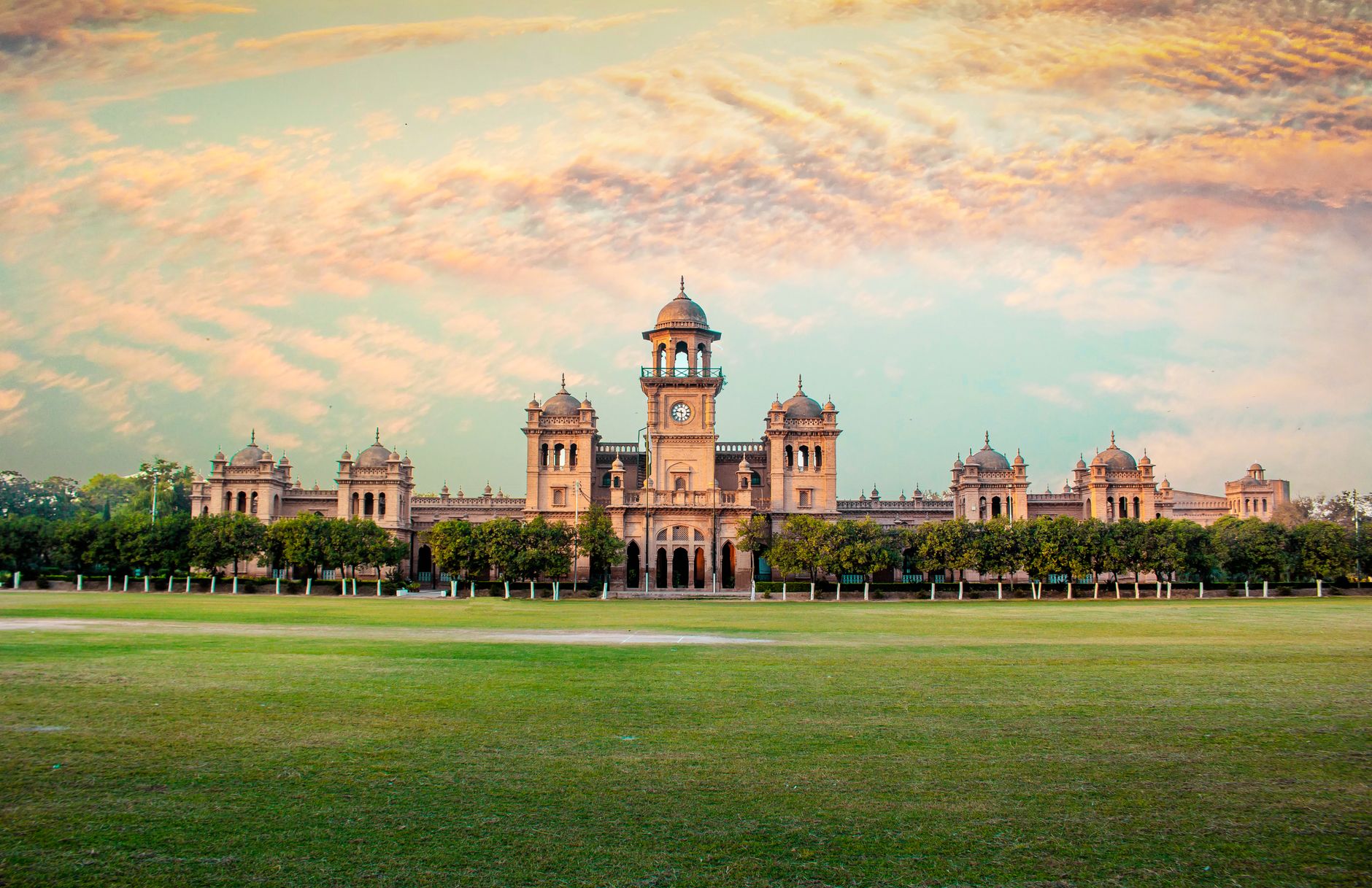
The Indian government's move to potentially reclaim land occupied by Jamia Millia Islamia University has sparked widespread debate about heritage preservation, educational autonomy, and the future of one of India's most storied academic institutions. The university, established during the colonial era, now finds itself at the center of a complex legal and political controversy.
Historical Significance of Jamia Millia Islamia
Jamia Millia Islamia was founded in 1920 as part of the non-cooperation movement against British colonial rule. The institution emerged during a period when Indian Muslims and other community leaders sought to create alternative educational spaces that reflected indigenous values and resisted colonial structures.
The university was established by prominent freedom fighters and intellectuals including Maulana Mahmud Hasan, Maulana Muhammad Ali Jouhar, Hakim Ajmal Khan, and Dr. Mukhtar Ahmad Ansari. Notably, Mahatma Gandhi laid the foundation stone and supported the institution's vision of combining modern education with traditional Indian values.
Originally started in Aligarh, the university moved to Delhi in 1925 and eventually settled on its current campus in Okhla. In 1988, Parliament granted it the status of a central university, placing it under the purview of the University Grants Commission and making it eligible for central government funding.
The Current Controversy
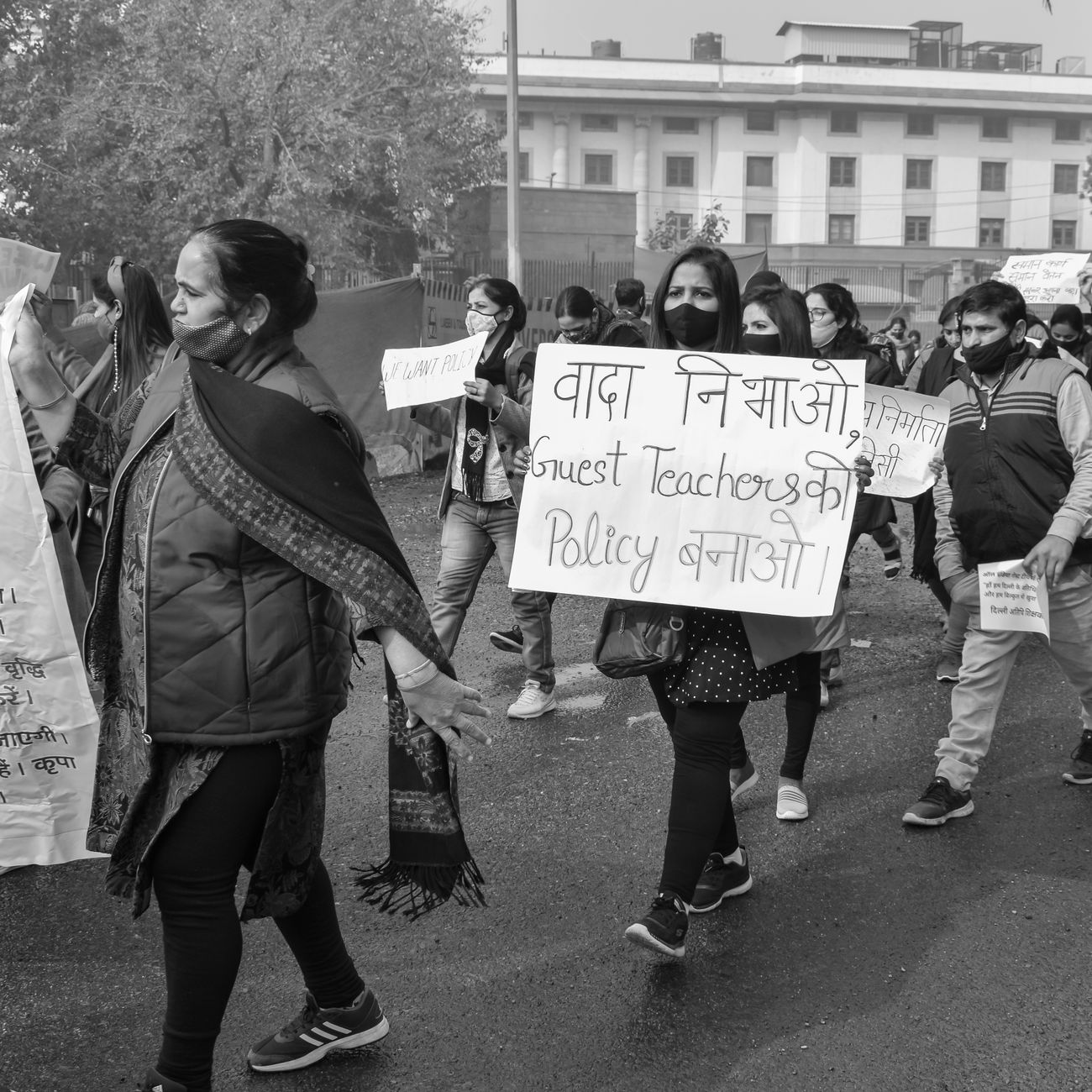
The controversy centers on a notice issued regarding land that the university currently occupies. Government authorities have indicated that certain parcels may need to be reclaimed or that the university's occupancy might not have proper legal documentation. This has raised alarm bells among students, faculty, alumni, and civil society groups who view the institution as an integral part of India's educational and cultural landscape.
The timing of such notices has added to concerns, coming amid broader debates about the autonomy of educational institutions in India. Several universities across the country have faced increased scrutiny over administrative matters, funding, and curriculum in recent years.
What This Means for Students and Staff
The uncertainty surrounding the university's future has created anxiety among its approximately 20,000 students and thousands of faculty and staff members. Jamia Millia Islamia offers programs across multiple disciplines including engineering, humanities, social sciences, law, and medicine through its various schools and centers.
For students currently enrolled, questions loom about the continuity of their education, the validity of their degrees, and whether ongoing research projects might be disrupted. Faculty members face uncertainty about employment and the future of their academic work.
The university has produced notable alumni across various fields, including filmmakers, civil servants, journalists, and scholars who have contributed significantly to Indian public life.
Legal and Political Dimensions
The matter involves complex questions of land ownership, historical agreements, and institutional rights. Universities in India typically occupy land through various arrangements with state and central governments, and documentation from decades past may not always align with current bureaucratic requirements.
Political observers note that the situation reflects broader tensions in Indian society regarding the place of minority institutions and the interpretation of secular educational values. Supporters of the university argue that it represents India's pluralistic heritage and commitment to inclusive education.
Critics of the demolition notice argue that dismantling such an institution would erase an important chapter of India's freedom struggle and undermine the country's educational infrastructure. They point to the university's contributions to national development and its role in providing quality education to students from diverse backgrounds.
The Path Forward
Various stakeholders including alumni associations, student unions, and civil society organizations have mobilized to seek clarity and resolution. Legal challenges may be filed to contest any demolition orders, while political parties across the spectrum have been called upon to take positions on the matter.
The outcome will likely depend on negotiations between university administration, government authorities, and possibly judicial intervention. Past instances of institutional disputes in India have sometimes been resolved through dialogue and administrative adjustments.
What remains clear is that the issue touches upon fundamental questions about how India values its educational heritage, protects institutional autonomy, and balances development needs with historical preservation. The resolution of this matter will have implications not just for Jamia Millia Islamia but for how similar situations involving educational institutions might be handled in the future.
The coming weeks and months will be crucial in determining whether a compromise can be reached that preserves both the university's legacy and addresses any legitimate governmental concerns about land use and documentation.