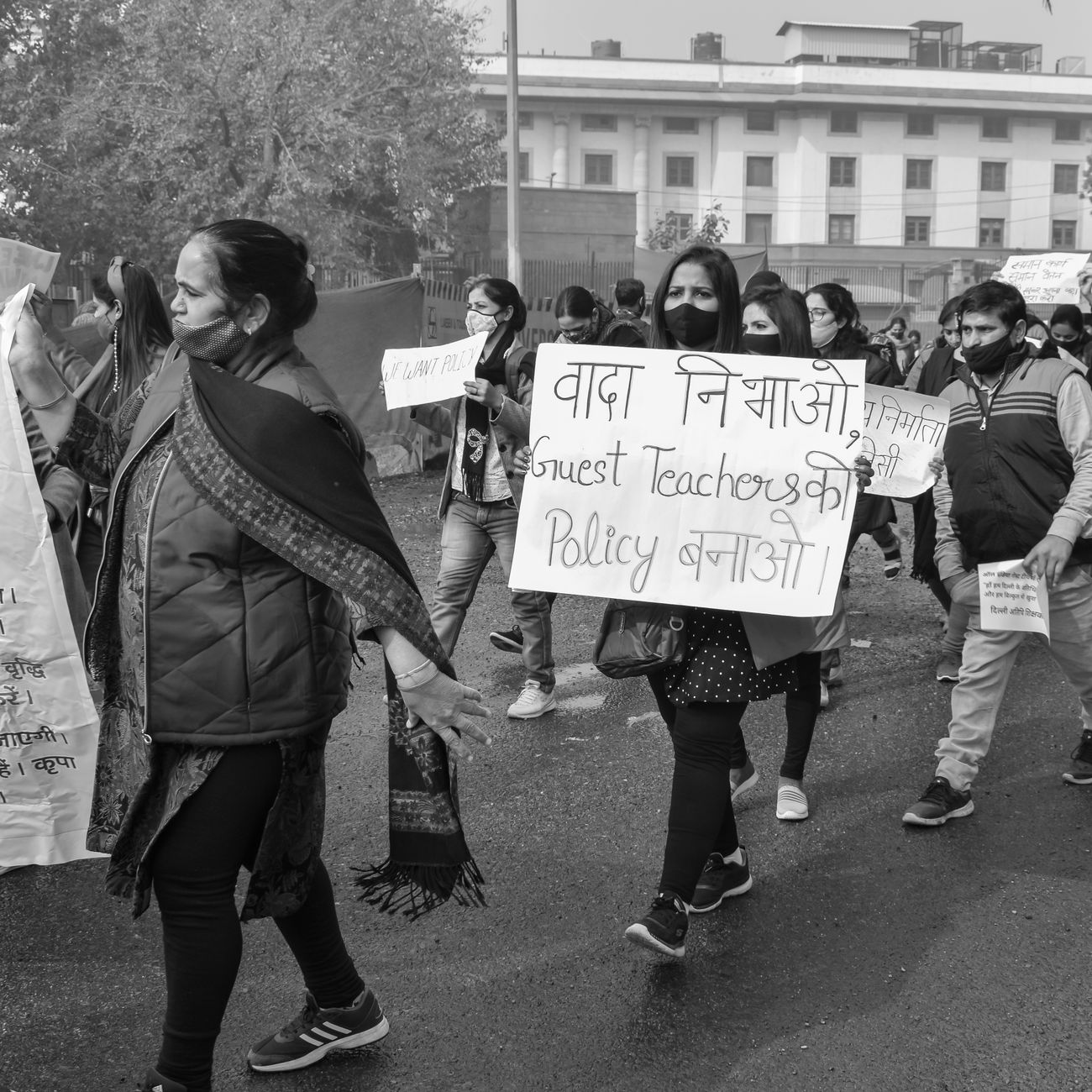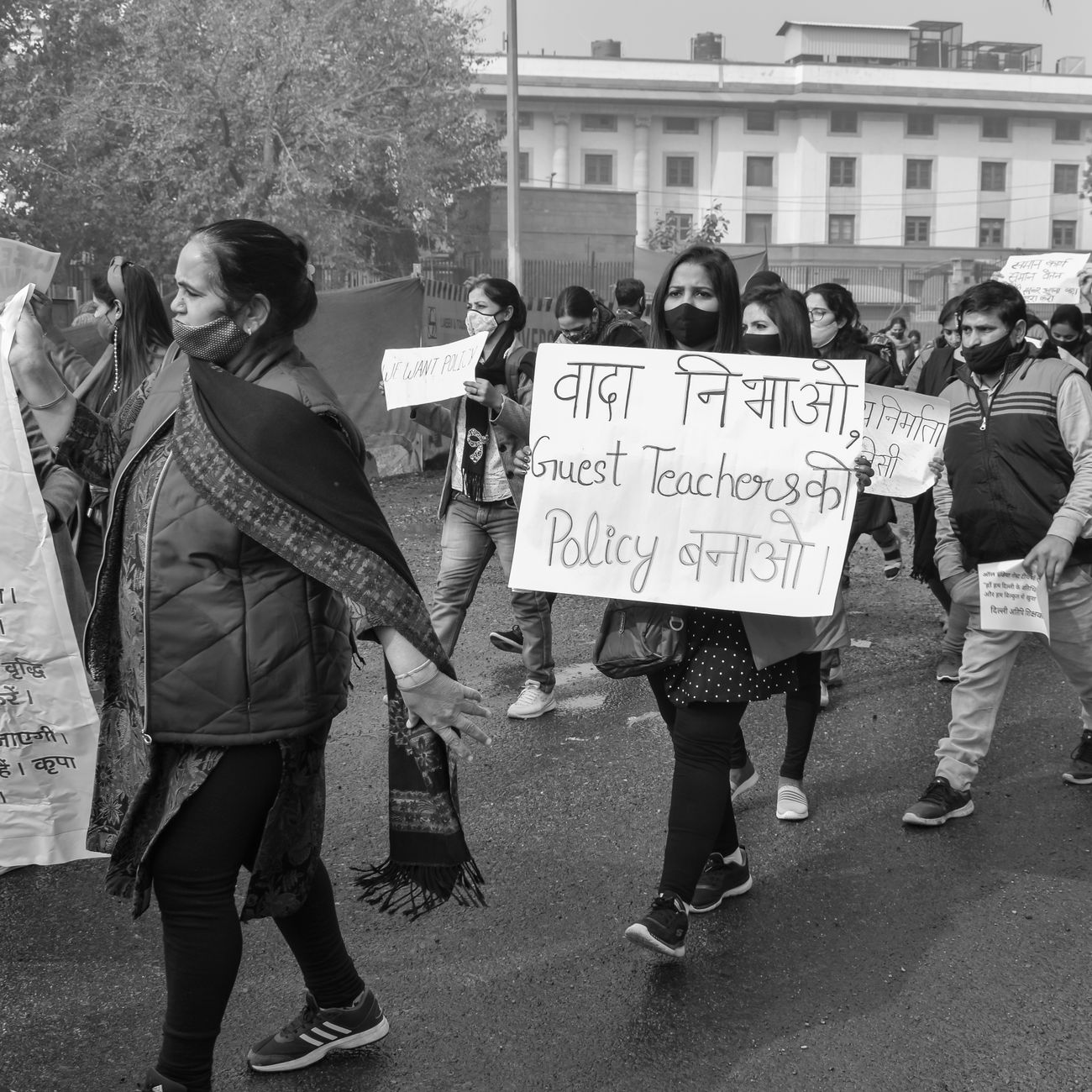
India's education system stands at a critical juncture. While lawmakers frequently respond to crises with new regulations and stricter enforcement mechanisms, the persistent challenges facing students, teachers, and institutions suggest that legislative Band-Aids cannot heal deeper systemic wounds. The real problems plaguing Indian education demand fundamental reimagining rather than incremental rule-making.
The Limitation of Legislative Solutions
Passing laws creates an illusion of progress. When examination scandals emerge, authorities tighten security protocols. When student safety concerns arise, new compliance requirements get added. However, these reactive measures rarely address underlying causes. Regulations can mandate outcomes but cannot create the conditions necessary to achieve them. A law requiring quality education means little without qualified teachers, adequate infrastructure, and engaged students.
The challenge lies in implementation capacity. India already has numerous educational policies on paper, from the Right to Education Act to various state-level reforms. Yet enforcement remains patchy, monitoring mechanisms stay weak, and accountability structures often fail. Adding more laws to a system struggling to implement existing ones compounds confusion rather than solving problems.
Infrastructure and Resource Gaps
The foundation of quality education rests on basic infrastructure that millions of Indian students still lack. Schools without functional toilets, particularly for girls, contribute directly to dropout rates. Classrooms without electricity, libraries without books, and science labs that exist only on paper create hollow educational experiences no legislation can fill.
Rural-urban disparities compound these challenges. While metropolitan schools may boast smart classrooms and digital resources, rural institutions often operate with multi-grade teaching in single rooms. This inequality ensures that a student's zip code largely determines their educational trajectory, perpetuating cycles of disadvantage across generations.
Resource allocation presents another critical issue. Education spending in India hovers around 3% of GDP, below the globally recommended benchmark and insufficient for a country with such a massive young population. Without adequate investment, even well-intentioned reforms remain unfunded mandates.
Teacher Training and Professional Development
Teachers form the backbone of any educational system, yet India's approach to teacher preparation remains fundamentally flawed. Many teachers enter classrooms with inadequate training, outdated pedagogical knowledge, and limited subject expertise. One-time certification cannot prepare educators for evolving classroom dynamics, diverse learning needs, and rapidly changing knowledge landscapes.
Professional development opportunities remain scarce and inconsistent. When training does occur, it often emphasizes administrative compliance over teaching excellence. Teachers need ongoing support in areas like differentiated instruction, technology integration, assessment strategies, and socio-emotional learning—skills no single law can mandate into existence.
Furthermore, teaching careers in India often attract candidates who view education as a fallback option rather than a calling. Low social prestige, limited career advancement opportunities, and inadequate compensation in many contexts fail to draw top talent into classrooms where they are desperately needed.
Curriculum and Pedagogical Challenges
India's curriculum frequently emphasizes rote memorization over critical thinking, passive absorption over active inquiry, and exam performance over genuine learning. Students emerge with certificates but often lack problem-solving abilities, creativity, and practical skills necessary for modern workplaces and citizenship.
The disconnect between what students learn and what society needs grows more pronounced annually. Rapid technological change, evolving job markets, and global challenges require educational approaches that foster adaptability, digital literacy, environmental awareness, and collaborative capabilities. Textbook-centered teaching rooted in 20th-century models cannot prepare 21st-century citizens.
Assessment methods further reinforce problematic patterns. High-stakes examinations create enormous pressure while measuring narrow competencies. Students optimize for test performance rather than learning depth, teachers teach to tests rather than nurturing curiosity, and the entire system revolves around certification rather than capability building.
Equity and Inclusion Imperatives
Educational inequality remains stark across caste, class, gender, and geographic lines. Marginalized communities face multiple barriers—economic constraints, social discrimination, language disadvantages, and cultural disconnects with mainstream educational institutions. Laws prohibiting discrimination mean little without proactive inclusion strategies and supportive ecosystems.
Children with disabilities, tribal students, and those from minority communities often find educational systems actively hostile to their needs rather than accommodating them. Inclusive education requires specialized training, adapted materials, flexible approaches, and genuine commitment to diversity—elements that cannot be legislated without accompanying systemic transformation.
The Path Forward
Meaningful educational reform requires patient, comprehensive approaches. This includes sustainable funding increases, evidence-based pedagogy, continuous teacher development, infrastructure investment, curriculum modernization, community engagement, and accountability mechanisms that measure actual learning rather than bureaucratic compliance.
Political will matters enormously. Education reform yields benefits across decades rather than election cycles, making it politically challenging despite universal acknowledgment of its importance. Moving beyond crisis-driven lawmaking toward systemic transformation demands courage and long-term vision from policymakers.
India's educational future depends not on stricter laws but on smarter strategies—ones that address root causes rather than symptoms, invest in people rather than just policies, and recognize that transforming education means transforming society itself.