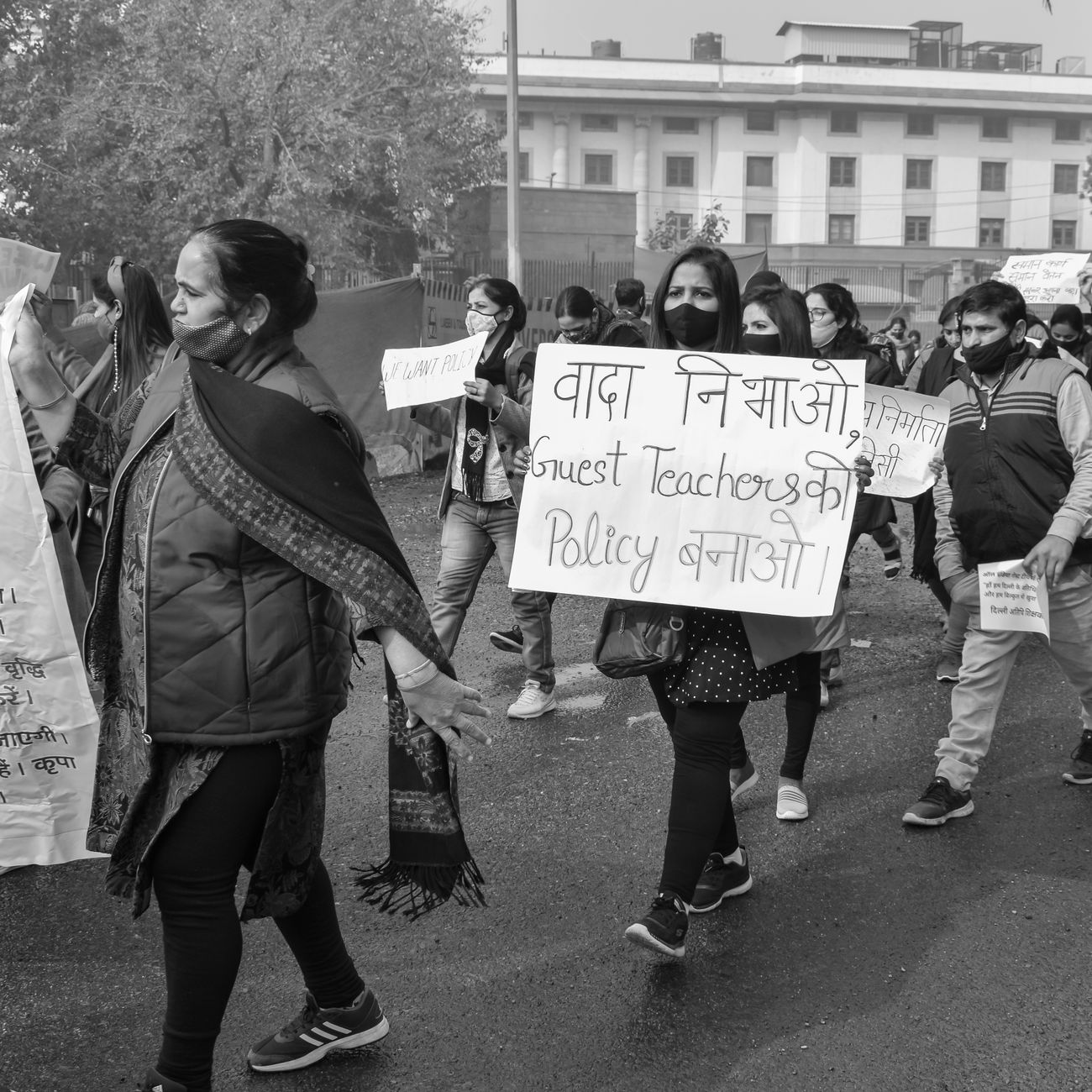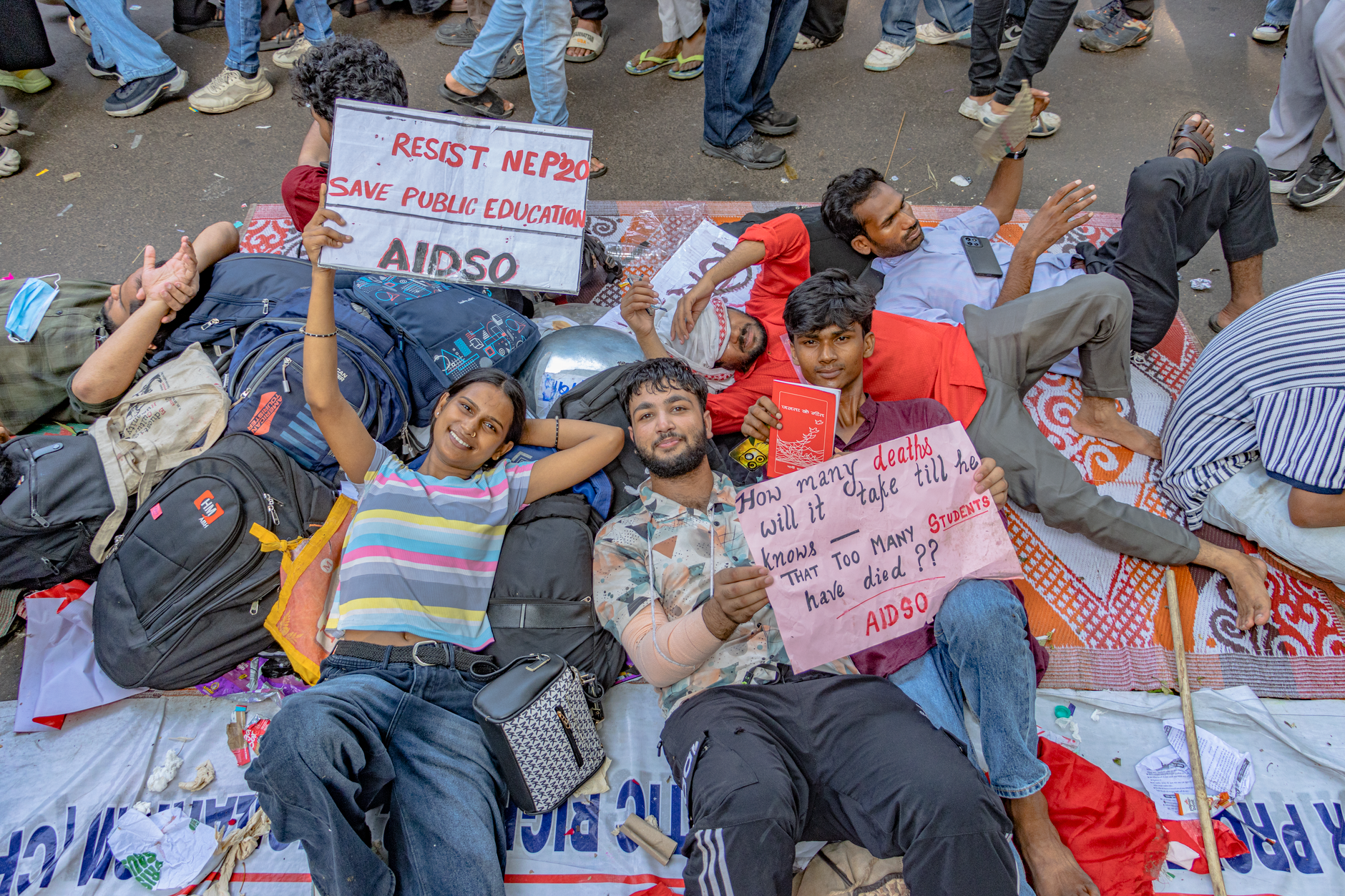
Across India, thousands of young people have been staging protests, dharnas, and demonstrations demanding urgent reforms in the country's education system. From concerns over competitive exam irregularities to broader issues about educational access and quality, the youth-led movement has captured national attention and sparked conversations about the future of learning in the world's most populous nation.
The Immediate Triggers
Recent protests have been sparked by multiple overlapping issues affecting students preparing for competitive examinations. Paper leaks in major national-level tests have become alarmingly frequent, undermining the credibility of entrance exams for medical schools, engineering colleges, and civil services. When exam papers are leaked before test day, students who have spent years preparing feel their efforts have been rendered meaningless, while those with access to leaked papers gain unfair advantages.
Delays in exam results, frequent last-minute postponements, and technical glitches in online examination systems have added to student frustrations. Many aspirants have reported losing precious preparation time or missing multiple attempts due to administrative failures. The financial burden on families, particularly those from smaller towns and rural areas, multiplies when exams get repeatedly rescheduled.
Deeper Systemic Concerns
Beyond immediate exam-related grievances, protesters are highlighting fundamental issues within India's education infrastructure. The intense competition for limited seats in premier institutions creates enormous psychological pressure on young people. With millions of students competing for thousands of seats in top colleges, the stakes have never been higher, and any perception of unfairness triggers widespread anger.
The quality of government school education in many states remains a concern, with inadequate infrastructure, teacher shortages, and outdated curricula. This forces middle-class families to spend heavily on private coaching and tutoring, creating a two-tier system where success often depends on family income rather than merit alone.
The Coaching Industry Controversy
The proliferation of expensive coaching centers, particularly in cities like Kota, Patna, and Delhi, has become a flashpoint. Students and parents argue that the formal education system has become so disconnected from competitive exam requirements that costly private coaching has become virtually mandatory for success. Stories of students living in difficult conditions far from home, facing mental health challenges, and experiencing extreme stress have added emotional weight to the protests.
Recent tragic incidents involving students in coaching hub cities have amplified concerns about the toll this system takes on young people's wellbeing. Protesters are demanding regulations on coaching fees, quality standards, and better integration between school curricula and competitive exam syllabi.
Government Response and Reform Promises
Authorities have responded to protests with a mix of promises for investigations, reforms, and occasionally, security measures to control demonstrations. Several states have announced committees to review examination processes, implement stricter anti-cheating measures, and explore reforms to reduce dependence on single high-stakes tests.
The National Testing Agency, which conducts many national-level exams, has faced particular scrutiny and calls for structural reforms or replacement. Demands include greater transparency in exam administration, faster grievance redressal mechanisms, and improved technological infrastructure to prevent glitches.
Broader Implications for India's Youth
These protests reflect deeper anxieties among young Indians about limited opportunities despite having one of the world's youngest populations. With unemployment rates among educated youth remaining stubbornly high, the pressure to secure admission to top institutions has intensified. Students see competitive exams as gateways to stable careers and upward mobility, making any failures in the system feel like threats to their entire futures.
The movement also represents a generational shift in how young Indians engage with governance. Increasingly connected through social media and willing to publicly challenge authorities, today's students are more organized and vocal than previous generations. Hashtags related to exam reforms regularly trend nationally, amplifying individual grievances into collective demands.
The Path Forward
Addressing these concerns will require comprehensive reforms touching multiple aspects of India's education ecosystem. Potential solutions being discussed include diversifying assessment methods beyond single exams, increasing seats in quality institutions, improving government school standards, regulating private coaching, and creating alternative pathways to career success.
The ongoing protests underscore that education policy is not merely an administrative matter but a deeply emotional issue affecting millions of families. How India responds to these demands will shape not just its education system but the opportunities available to its demographic dividend.