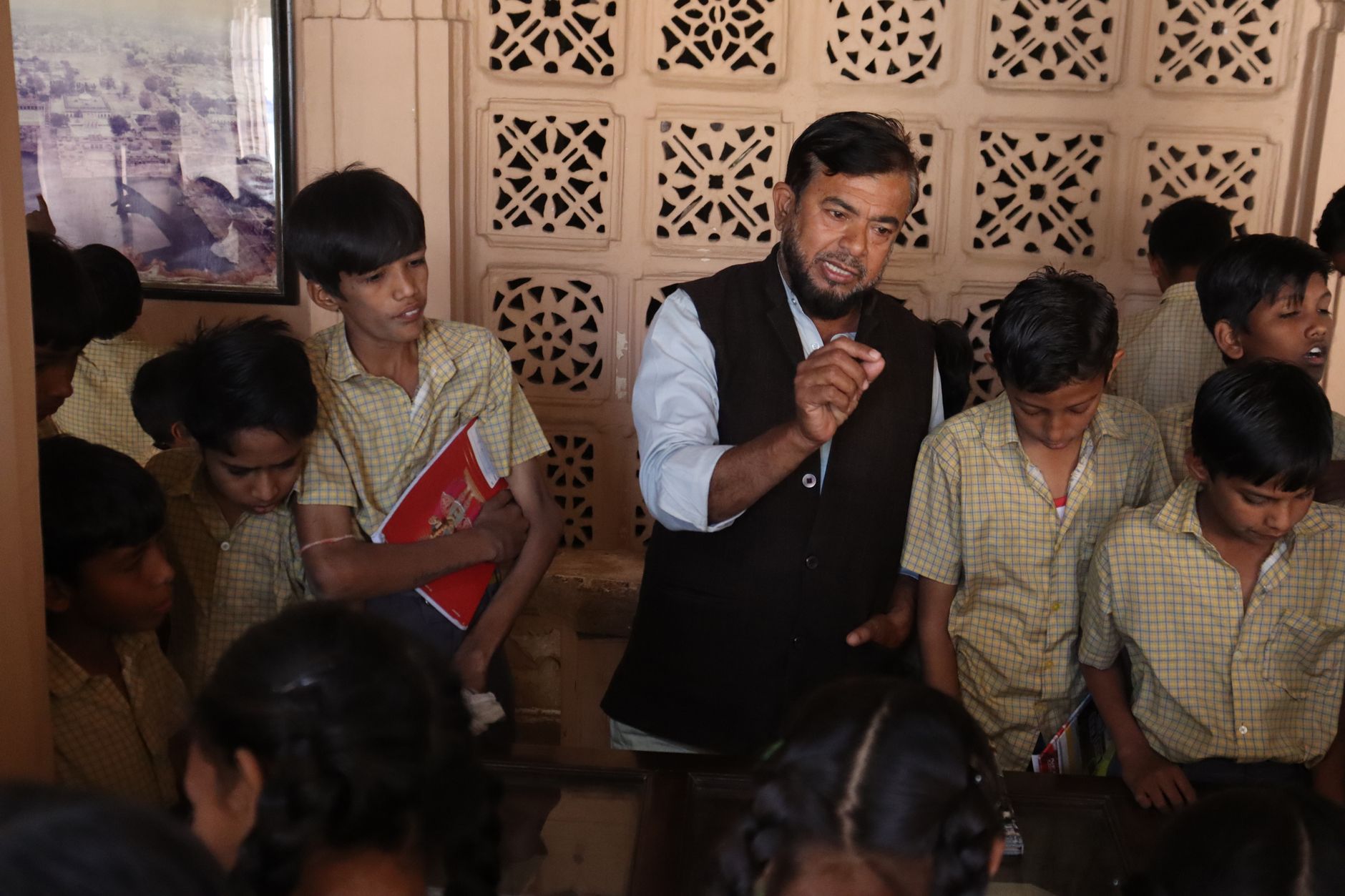
India's education system has long been a subject of debate, with recent discussions focusing on whether the current centralised structure serves the diverse needs of the country's youth. The conversation around decentralisation raises important questions about how educational policy, curriculum design, and administrative control could be restructured to better support students across different states and regions.
The Current Centralised Framework
India's education system operates under a largely centralised model, with national bodies like the Central Board of Secondary Education (CBSE) and the University Grants Commission (UGC) setting standards, curricula, and examination patterns for millions of students. While this approach was designed to maintain uniform quality and standards across the country, critics argue it creates a one-size-fits-all system that fails to account for regional diversity, local needs, and varying economic conditions.
The National Education Policy 2020 introduced some reforms, but implementation remains concentrated at the central level, with states having limited autonomy in adapting policies to local contexts. This centralisation extends to entrance examinations, teaching methodologies, and even the choice of subjects available to students.
Why Decentralisation Is Being Proposed
Advocates for decentralisation argue that empowering state governments, local bodies, and individual institutions could lead to more relevant and responsive education. Different regions have distinct cultural contexts, employment markets, and socioeconomic challenges that a uniform national curriculum may not adequately address.
For instance, vocational training needs in coastal areas might differ significantly from those in agricultural regions or metropolitan cities. A decentralised system could allow curriculum designers to incorporate local languages, regional history, and skills training relevant to local industries, making education more practical and applicable to students' lives.
Potential Benefits of Educational Autonomy
Decentralisation could offer several advantages:
- States could design curricula that reflect local employment needs and emerging industries in their regions
- Reduced bureaucratic delays in implementing innovative teaching methods or updating course content
- Greater flexibility for schools and colleges to experiment with pedagogical approaches
- More efficient allocation of resources based on actual regional requirements rather than national averages
- Increased accountability at local levels, where communities can directly influence and monitor educational institutions
- Preservation and promotion of regional languages and cultural knowledge within formal education
Challenges and Concerns
However, decentralisation also presents significant challenges. Without proper safeguards, it could lead to unequal quality across regions, with wealthier states able to invest more in education while poorer states fall behind. National-level standardisation currently ensures a baseline quality and allows student mobility across states.
There are concerns about:
- Maintaining quality standards across diverse administrative units
- Ensuring that decentralisation doesn't create barriers for students who need to relocate between states
- Preventing the dilution of scientific and evidence-based curricula in favour of localised content that may not meet global standards
- Managing the transition period and avoiding disruption to current students
- Ensuring adequate funding mechanisms for states with limited financial resources
The Middle Path
Rather than complete decentralisation or rigid centralisation, many education experts suggest a balanced approach. This could involve the central government setting broad learning outcomes and quality benchmarks while giving states substantial freedom in how they achieve these goals. Such a model exists in several federal countries where national standards coexist with local autonomy.
States could be given greater control over curriculum design, teacher recruitment, and infrastructure development, while national bodies could focus on accreditation, quality assurance, and facilitating inter-state coordination. This would preserve student mobility and maintain baseline standards while allowing for regional customisation.
International Examples
Countries like Germany, Switzerland, and the United States operate highly decentralised education systems where regional or state governments have primary control over education. While these systems have their own challenges, they demonstrate that decentralisation can work in large, diverse nations. However, these countries also invest heavily in education and have strong institutional frameworks at regional levels, factors that would need consideration in the Indian context.
Moving Forward
Any shift toward decentralisation would require careful planning, adequate funding mechanisms, capacity building at state and local levels, and robust quality assurance frameworks. It would also need political consensus and sustained commitment across multiple election cycles to be effective.
The debate over centralisation versus decentralisation in education reflects broader questions about federalism, governance, and the best way to serve India's diverse population. Whatever path is chosen, the ultimate goal should be creating an education system that prepares young Indians for meaningful employment, critical thinking, and active citizenship in an increasingly complex world.
This article is for general informational purposes only and represents a discussion of ongoing policy debates. Educational policy decisions involve multiple stakeholders and complex considerations beyond the scope of this overview.