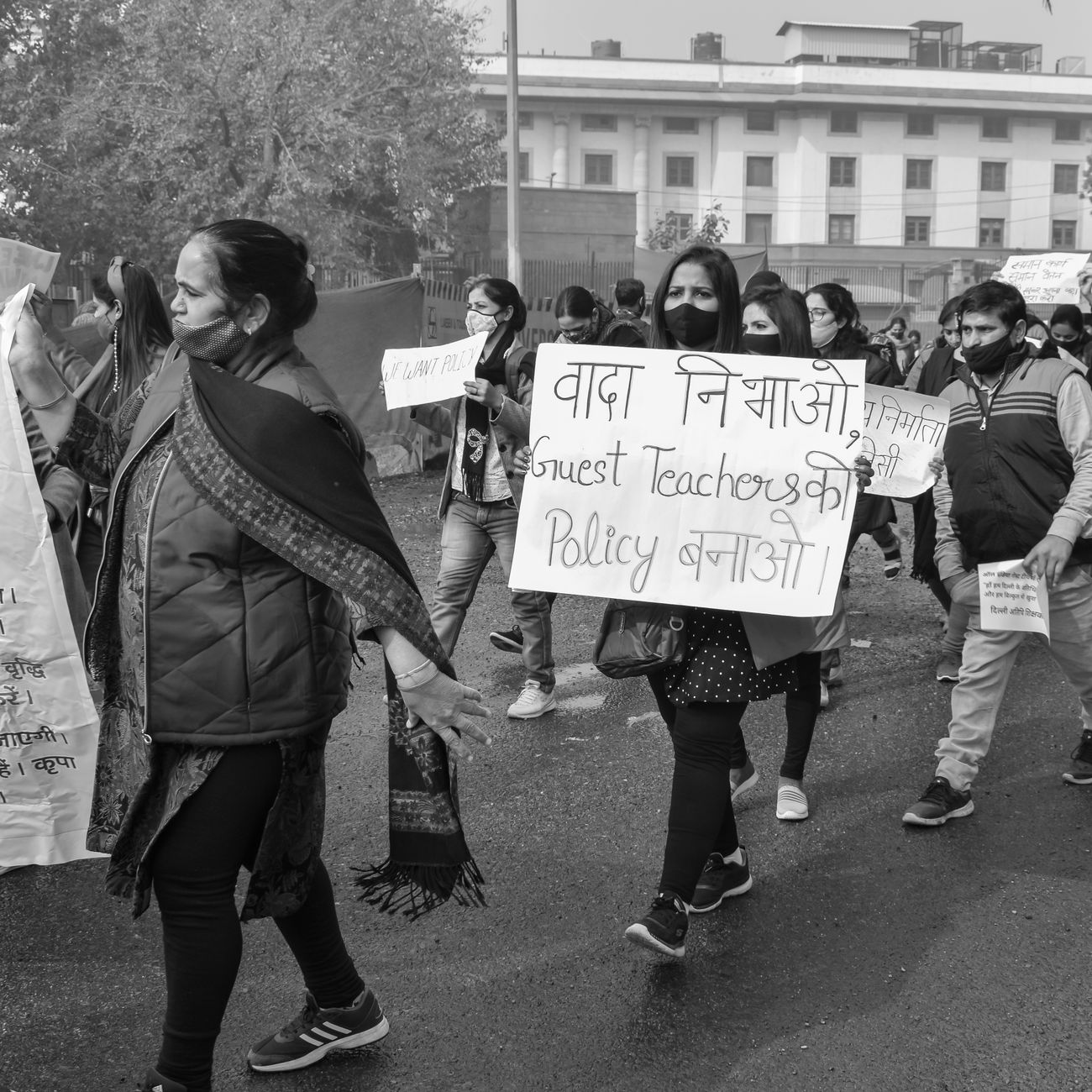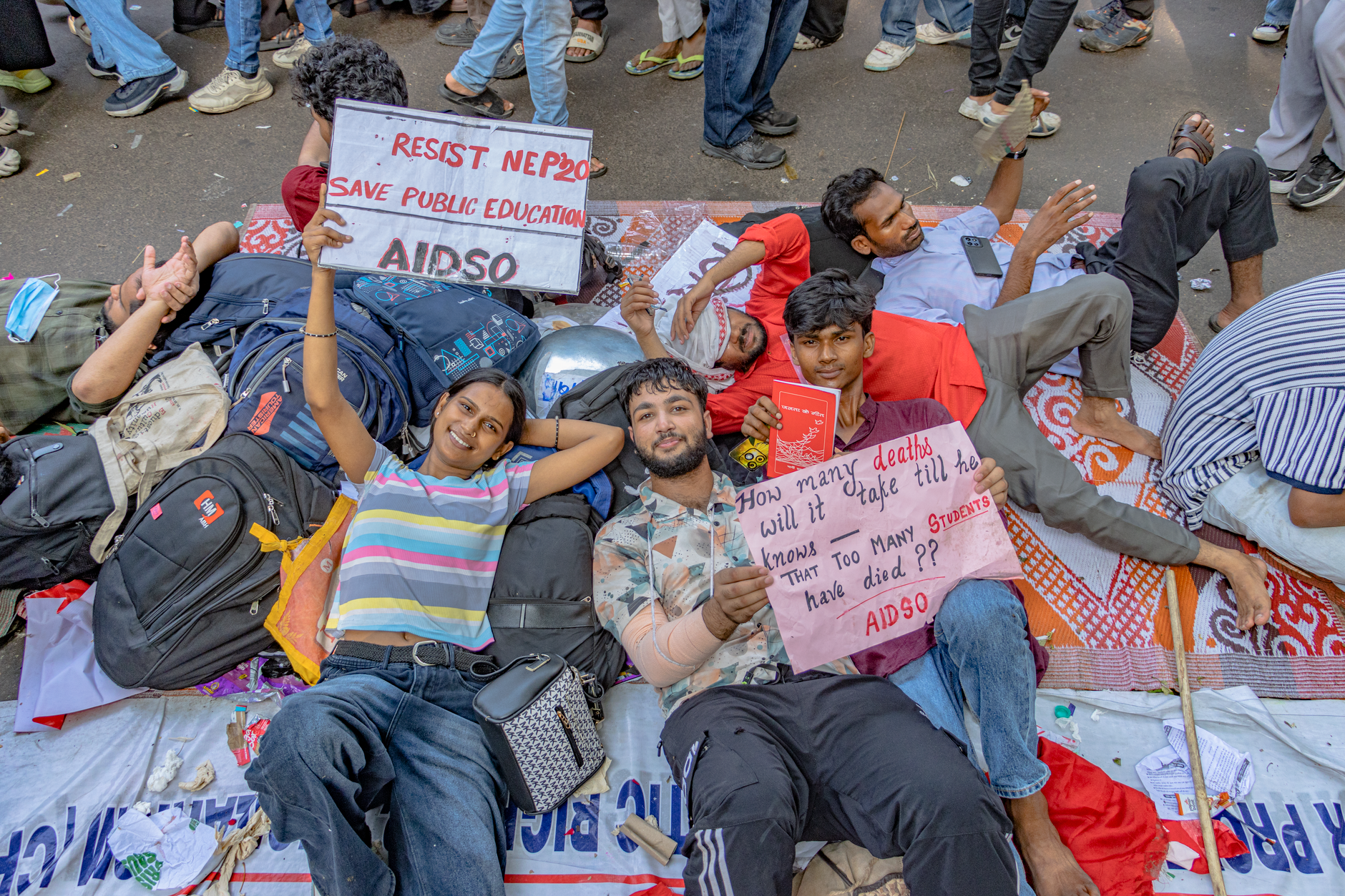
Students across India have recently embraced an unusual moniker for their growing protest movement: cockroaches. The term, initially used dismissively, has been reclaimed by young Indians frustrated with the country's competitive examination system and recent policy changes affecting higher education access.
Origins of the Cockroach Label
The cockroach metaphor emerged from social media discourse surrounding student protests against examination reforms and alleged irregularities in competitive tests. Rather than viewing the term as derogatory, students have adopted it as a badge of honour, emphasising the resilience and persistence associated with the insect. Just as cockroaches are known for their ability to survive in difficult conditions, protesters argue they too will persist despite systemic challenges.
The movement has gained momentum particularly among aspirants preparing for civil services examinations, medical entrance tests, and engineering entrance exams. These highly competitive tests determine career trajectories for millions of Indian students each year.
Key Grievances Driving the Movement
Several interconnected issues have fuelled student discontent across the country.
- Alleged paper leaks and irregularities in major competitive examinations, undermining years of preparation
- Frequent last-minute changes to examination patterns and syllabi
- Limited seats in premier institutions despite growing numbers of qualified candidates
- Rising costs of coaching classes and study materials
- Concerns about the National Eligibility cum Entrance Test and other centralised examination systems
- Delayed results and administrative inefficiencies affecting academic timelines
Students argue that the current system places enormous psychological pressure on young people while failing to ensure fair and transparent evaluation. Many have invested years and significant family resources into exam preparation, only to face uncertainty about the integrity of the testing process.
Why This Matters for Educational Policy
The protests reflect deeper anxieties about India's education system and its ability to accommodate the aspirations of its young population. India produces millions of graduates annually, but the pipeline to elite institutions and stable government employment remains narrow.
The government has defended recent reforms as necessary modernisation efforts designed to streamline admissions and reduce coaching culture dependency. Officials argue that centralised testing reduces regional disparities and creates uniform standards across the country.
However, critics contend that hasty implementation, inadequate infrastructure, and insufficient safeguards against malpractice have created new problems while failing to address existing inequities. The protests have highlighted the gap between policy intentions and ground-level execution.
The Broader Context of Youth Unemployment
The cockroach movement cannot be separated from wider concerns about employment prospects for educated youth. India's demographic dividend—its large young population—becomes a liability when educational qualifications do not translate into meaningful employment opportunities.
Competitive government examinations represent one of the few pathways to secure, well-paying jobs with benefits and social prestige. When the integrity of these examinations comes into question, it threatens not just individual futures but also social mobility for entire families who have invested in their children's education.
The protests have therefore touched a nerve beyond just exam irregularities, tapping into frustrations about economic opportunities, meritocracy, and fairness in a rapidly changing India.
Government Response and Future Implications
Authorities have responded to the protests with a mixture of conciliation and firmness. Some concerns have been acknowledged, leading to investigations into specific examination irregularities and promises of systemic reforms. However, large-scale protests have also faced police action in certain instances, further inflaming tensions.
The situation presents a challenge for policymakers seeking to balance standardisation with accessibility, merit with inclusion, and modernisation with stability. How these concerns are addressed will likely influence youth sentiment and trust in institutional processes.
Educational reforms remain a priority area, but the cockroach movement demonstrates that implementation matters as much as policy design. Student voices are demanding not just access to education but also transparency, accountability, and genuine opportunities beyond the examination hall.
The coming months will test whether dialogue and reform can address these concerns or whether the resilient 'cockroach' movement will continue to grow as a symbol of systemic frustration among India's ambitious youth.