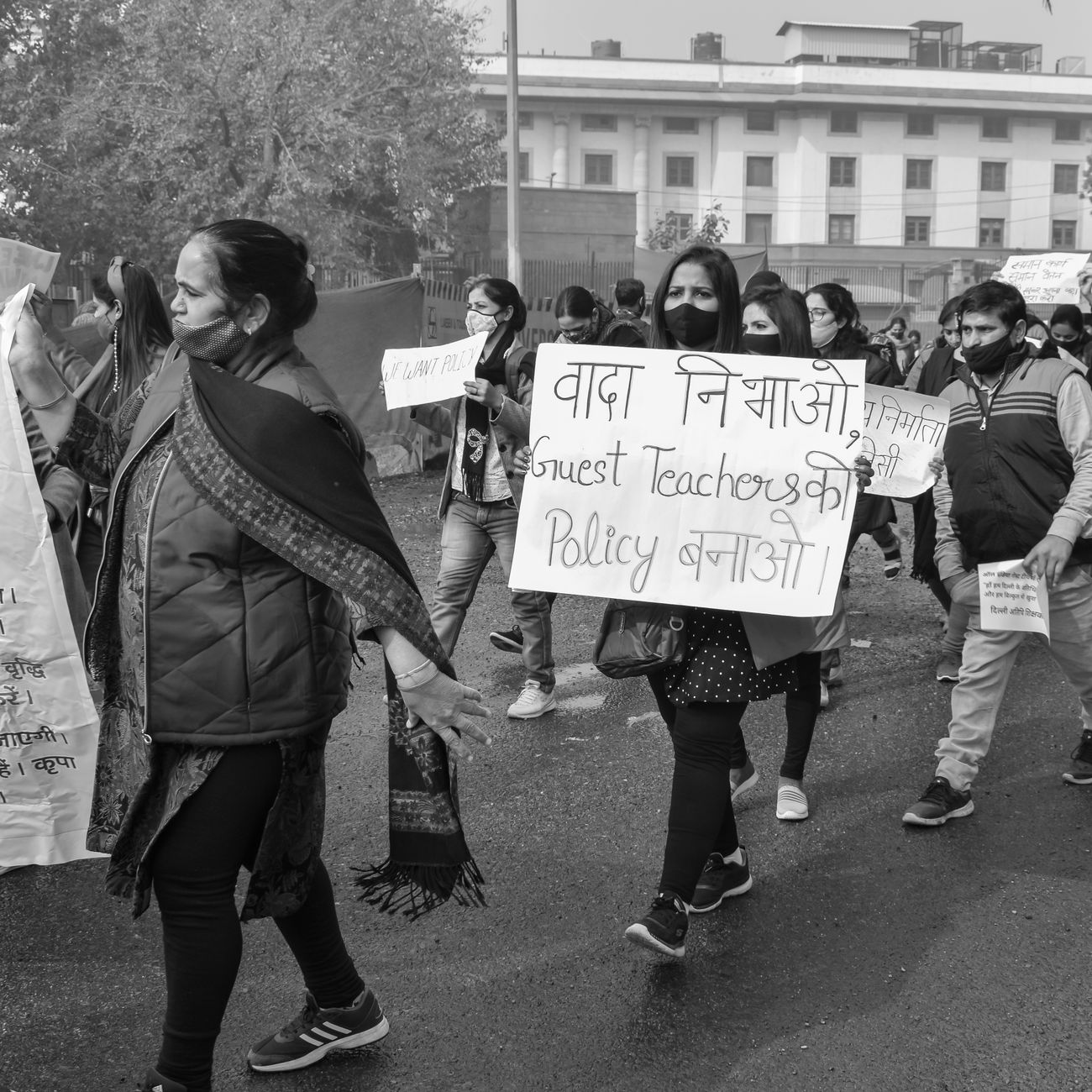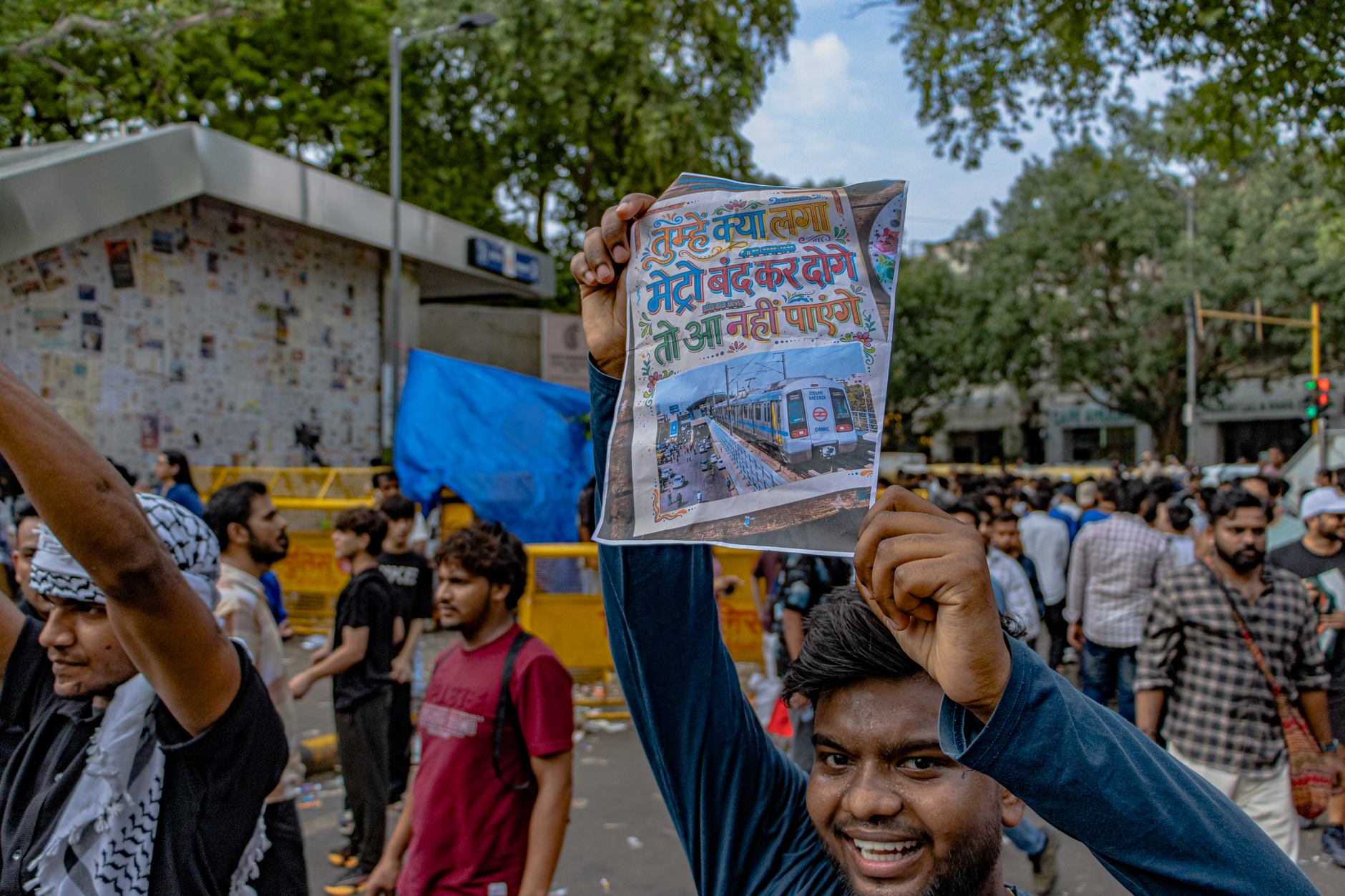
Student activism in India has taken an unusual turn with protests dubbed the 'Cockroach' movement, drawing attention to deep-seated issues within the country's education system. These demonstrations have prompted varied responses from government authorities at both state and central levels.
What Are the 'Cockroach' Protests?
The term 'Cockroach' protests refers to student-led demonstrations employing creative symbolism to highlight concerns about education infrastructure, examination systems, and institutional governance. Students have used cockroach imagery as a metaphor for systemic problems that persist despite efforts to address them, much like the resilient insect.
These protests have emerged in response to multiple grievances including deteriorating campus facilities, concerns about examination patterns, delays in results, and administrative issues affecting students' academic futures. The movement has gained traction on social media platforms, with students sharing experiences and coordinating demonstrations across multiple cities.
Government's Initial Response
State and central government responses have varied depending on the specific nature of complaints and the location of protests. In several instances, authorities initially attempted to downplay the demonstrations, characterizing them as isolated incidents rather than systemic concerns.
Education ministry officials in affected states have issued statements acknowledging some grievances while defending existing policies. The approach has generally focused on:
- Establishing committees to investigate specific complaints
- Promising infrastructure improvements in identified institutions
- Reviewing examination and evaluation processes
- Engaging with student representatives for dialogue
Administrative Actions Taken
Several state governments have initiated concrete steps following the protests. These include ordering facility audits at educational institutions, fast-tracking pending administrative decisions affecting students, and allocating emergency funds for immediate infrastructure repairs at severely affected campuses.
Some states have announced the formation of student grievance redressal cells with defined timelines for addressing complaints. Universities in metropolitan areas have held town hall meetings with students to understand concerns directly, though the effectiveness of these measures remains under scrutiny.
Law Enforcement Approach
The law enforcement response has been mixed and sometimes controversial. While many protests remained peaceful, authorities in certain locations deployed security personnel to campuses experiencing demonstrations. Reports of detention of protest organizers in some cities have raised questions about students' right to peaceful assembly.
Police officials have justified their presence citing maintenance of public order, particularly when protests disrupted normal academic activities or blocked public infrastructure. However, student groups and civil society organizations have criticized heavy-handed approaches, arguing they discourage legitimate expression of grievances.
Political Reactions
The protests have attracted attention from various political quarters. Opposition parties have seized upon the demonstrations to criticize education policies, demanding accountability from governments in power. Some political leaders have visited protest sites, expressing solidarity with students and promising action if elected.
Ruling party representatives have defended their education policies while acknowledging room for improvement. The political dimension has, in some cases, complicated resolution efforts as stakeholders debate whether the protests are genuine student movements or politically motivated.
Broader Education Policy Context
The 'Cockroach' protests emerge against the backdrop of ongoing education sector reforms in India. The implementation of the National Education Policy 2020, changes to competitive examination formats, and debates about curriculum content have created an atmosphere of uncertainty among students.
Government spokespersons have pointed to significant education budget allocations and modernization initiatives as evidence of commitment to improving the sector. However, students argue that implementation gaps between policy announcements and ground-level reality persist.
Looking Forward
The government's evolving response suggests recognition that student concerns require serious attention. Several states have announced timelines for addressing infrastructure deficits, while examination boards have committed to reviewing contentious policies.
The sustainability of these commitments and their translation into tangible improvements will determine whether the protests achieve their objectives. Student organizations continue monitoring promised actions, indicating readiness to resume demonstrations if commitments remain unfulfilled.
The 'Cockroach' protests represent a significant moment in Indian student activism, using creative expression to demand accountability. How governments at various levels respond may set important precedents for student-authority engagement in the education sector going forward.