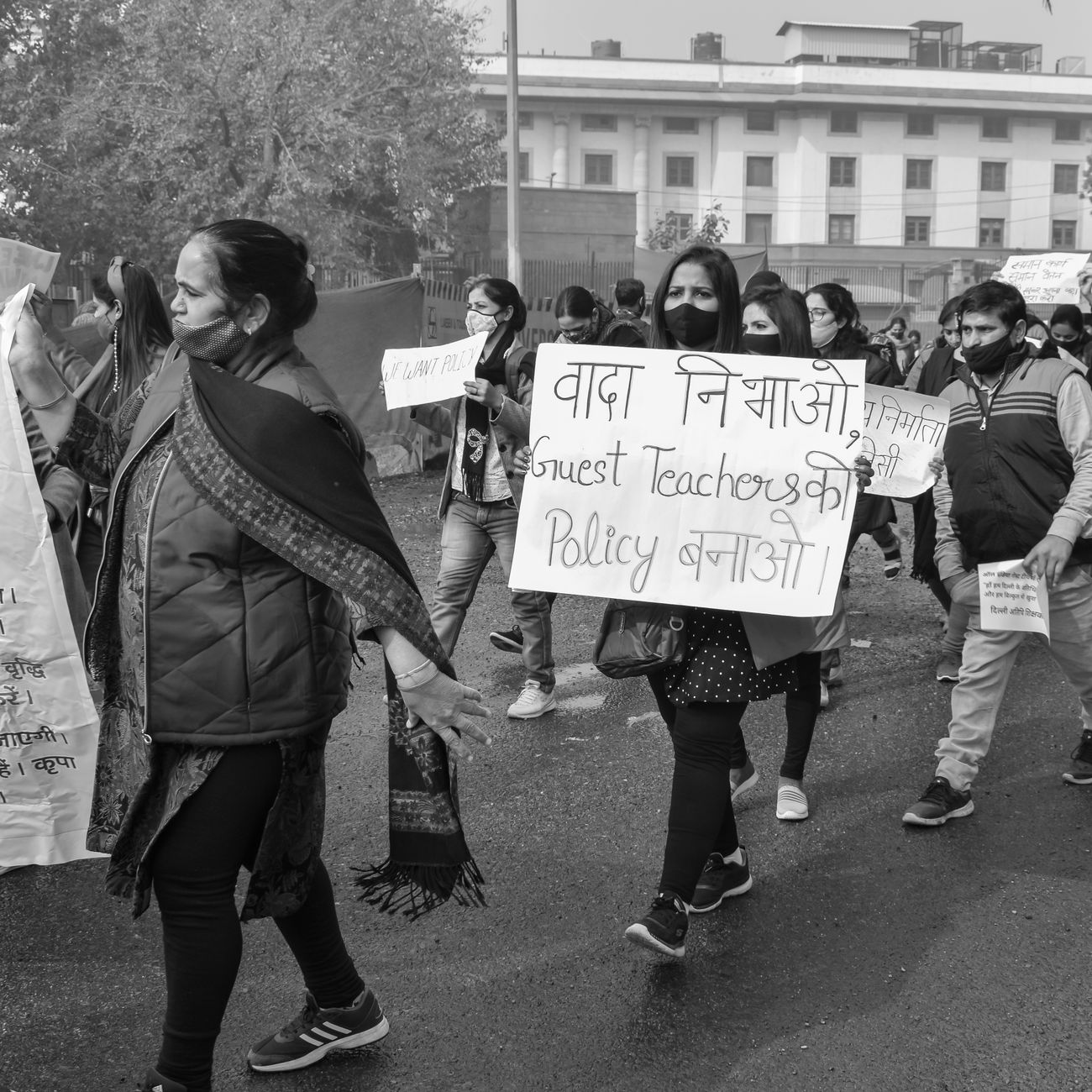
In a significant victory for student activism, sustained protests have led to the resignation of a prominent minister overseeing education-related portfolios. The demonstrations, which students themselves dubbed the 'Cockroach protests,' represent a powerful example of how organized grassroots movements can hold public officials accountable.
The Power of Sustained Protest
The protests emerged from mounting frustration among students and educational stakeholders over policies and decisions that many viewed as detrimental to the quality and accessibility of education. What began as localized demonstrations quickly gained momentum, spreading across multiple cities and campuses as more students joined the movement.
The choice of the 'Cockroach' moniker by protesters appears to have been a strategic move, symbolizing their persistence and resilience. Much like the insect that adapts and survives under challenging conditions, the students demonstrated unwavering determination to continue their campaign until their demands were met.
Key Grievances Driving the Movement
While specific complaints varied across different student groups, several common themes emerged from the protests:
- Concerns over changes to examination systems and evaluation criteria
- Issues related to funding allocations for educational institutions
- Questions about appointment processes for academic positions
- Debates over curriculum changes and educational policy direction
- Transparency concerns regarding decision-making processes
The sustained nature of these demonstrations indicated deep-seated dissatisfaction rather than temporary discontent. Students employed various tactics including sit-ins, marches, social media campaigns, and public forums to amplify their message.
The Role of Student Activism in Democracy
This successful protest movement highlights the crucial role that student activism plays in democratic societies. Historically, student movements have been at the forefront of social and political change, from independence struggles to civil rights movements worldwide.
Young people bring unique perspectives to policy debates, particularly regarding education, which directly affects their futures. When students organize effectively, they can leverage their collective voice to demand accountability from those in positions of authority.
Challenges Faced by Protesters
Despite their ultimate success, the protesters likely faced numerous obstacles along the way. Student movements often encounter resistance from authorities, struggle with resource constraints, and must maintain momentum over extended periods while balancing academic responsibilities.
Coordinating large-scale protests requires sophisticated organization, clear communication channels, and the ability to articulate demands coherently. The success of these protests suggests a high level of organizational capability among the student leaders involved.
Implications for Educational Policy
The minister's resignation sends a strong signal to policymakers about the importance of consultation and transparency in educational decision-making. It demonstrates that top-down approaches to education reform without adequate stakeholder input can face serious pushback.
Moving forward, this development may encourage:
- More inclusive policy formulation processes involving student representatives
- Greater transparency in educational administration
- Increased scrutiny of decisions affecting students and institutions
- Heightened awareness among officials about the political consequences of unpopular policies
Lessons for Future Movements
This successful campaign offers valuable lessons for other activist movements. It demonstrates that sustained, organized pressure can yield results even when initial prospects seem challenging. The creative branding of the protests also shows the importance of messaging and narrative in modern activism.
However, the real test will come in ensuring that the underlying issues are addressed, not just through a change in personnel but through substantive policy reforms. Student groups will need to remain vigilant to ensure that the momentum generated translates into meaningful improvements in the education system.
What Comes Next
The immediate aftermath of the resignation will likely see intense focus on who will assume the ministerial position and what policy direction they will pursue. Student groups and educational stakeholders will be watching closely to ensure that the new leadership demonstrates greater responsiveness to their concerns.
This moment also presents an opportunity for constructive dialogue between students, educators, administrators, and policymakers to chart a path forward that addresses the fundamental issues that sparked the protests in the first place.
The success of these 'Cockroach protests' may inspire similar movements in other sectors where citizens feel their voices are not being heard, potentially ushering in a new era of grassroots political engagement in India.
This article is for general informational purposes only and does not constitute political advice. Readers should refer to official sources and multiple news outlets for comprehensive coverage of ongoing political developments.