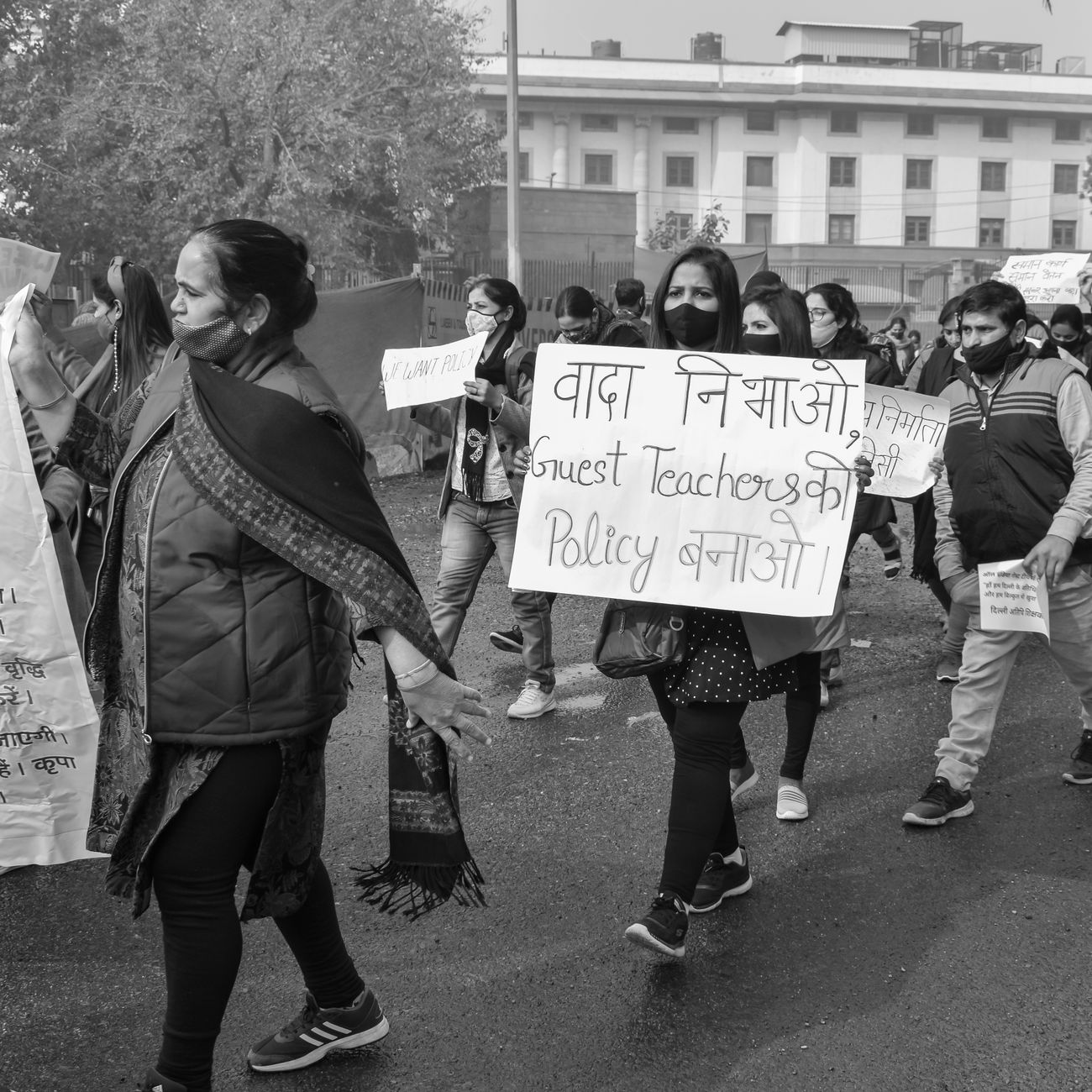
India's examination system faces a deepening crisis as paper leaks continue to disrupt the academic futures of millions of students. Recent incidents have sparked nationwide outrage and renewed calls for comprehensive reform of how competitive examinations are conducted, administered, and secured.
The Scale of the Problem
Paper leaks have affected some of India's most critical examinations in recent years. From state-level teaching recruitment tests to national entrance examinations, the problem spans multiple levels of the education system. When question papers are leaked before examinations, honest students who have prepared diligently find themselves at a severe disadvantage against those who have accessed the leaked content.
The consequences extend beyond individual students. Entire examination cycles must be cancelled and rescheduled, resulting in delays of months or even years. This affects career timelines, creates uncertainty, and wastes enormous amounts of public resources spent on conducting these large-scale tests.
Why Paper Leaks Keep Happening
Several systemic weaknesses enable paper leaks to occur repeatedly:
- Inadequate security protocols during paper printing, storage, and transportation
- Involvement of corrupt officials who have access to question papers
- Organized networks that specifically target examination systems for profit
- Lack of accountability and slow legal proceedings against those caught
- Insufficient use of technology in examination processes
- Weak whistleblower protection mechanisms
The problem is not just about individual bad actors. The entire ecosystem around competitive examinations has vulnerabilities that determined criminals can exploit. Paper setting, printing, distribution, and storage often involve dozens of people across multiple locations, creating numerous potential breach points.
Impact on Students and Society
The psychological toll on students is immense. Young people invest years of preparation and significant family resources in coaching and study materials. When paper leaks occur, their faith in meritocracy erodes. Students from economically weaker backgrounds, who cannot afford to pay for leaked papers or access powerful networks, are disproportionately affected.
Beyond individual disappointment, paper leaks undermine the entire principle of merit-based selection. When positions in government services, teaching jobs, or educational institutions are potentially filled through compromised examinations, it affects the quality of public services and educational institutions for decades.
The financial impact is also substantial. Families spend thousands of rupees on coaching, study materials, and examination fees. When exams are cancelled due to leaks, this investment is wasted, and families must bear additional costs for rescheduled tests.
Technological Solutions and Best Practices
Modern technology offers several solutions that could significantly reduce paper leak incidents:
- Computer-based testing with randomized question selection from large question banks
- Biometric authentication to prevent impersonation
- Encryption and secure digital transmission of question papers
- Real-time monitoring and AI-based detection of unusual patterns
- Blockchain technology for creating tamper-proof audit trails
Several countries have successfully implemented such systems. The challenge in India is scaling these solutions to accommodate millions of candidates while ensuring accessibility across urban and rural areas with varying levels of technological infrastructure.
Systemic Reforms Needed
Technology alone cannot solve the problem. Comprehensive reform must include:
- Strengthening legal frameworks with stringent penalties for paper leaks
- Fast-track courts for quick resolution of examination fraud cases
- Independent oversight bodies to monitor examination processes
- Regular audits of examination conducting agencies
- Better compensation and working conditions for staff to reduce corruption incentives
- Decentralization of question paper setting to reduce single points of failure
Reforming recruitment processes themselves is also important. Over-reliance on single high-stakes examinations creates enormous pressure and incentive for malpractice. Multiple assessment methods, continuous evaluation, and skill-based testing could reduce the premium placed on any single examination.
The Way Forward
Addressing paper leaks requires coordinated action from multiple stakeholders. Government agencies must invest in secure infrastructure and transparent processes. Examination conducting bodies need stronger institutional capacity and accountability mechanisms. Students and civil society must remain vigilant and report suspicious activities.
Educational reform must also address why single examinations carry such enormous weight in determining futures. Creating multiple pathways to success and reducing the winner-takes-all nature of competitive exams could reduce the desperate incentive to cheat.
The recurring paper leak crisis reflects deeper issues in India's education and governance systems. Real change requires not just technical fixes but a commitment to transparency, accountability, and merit at every level of the examination ecosystem.