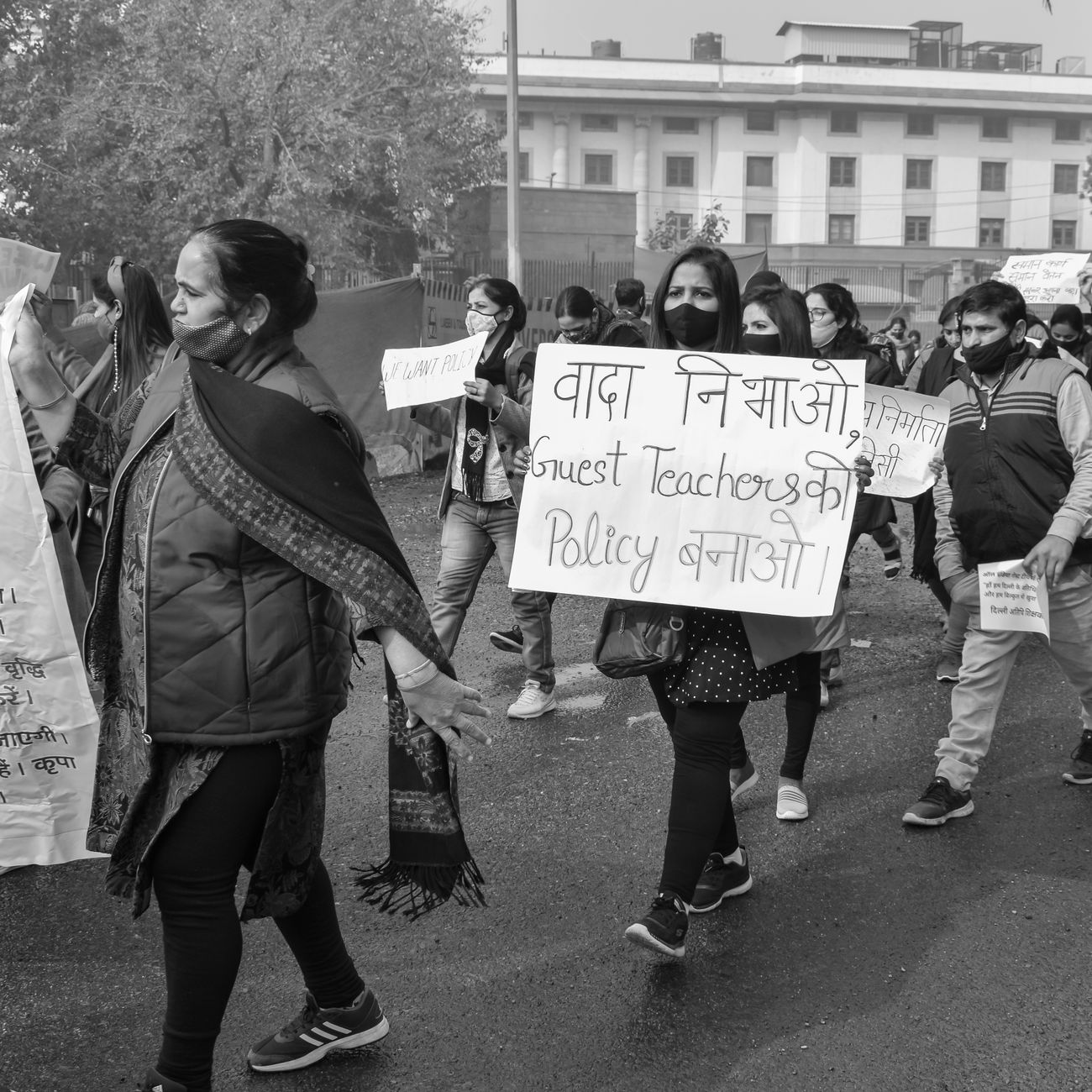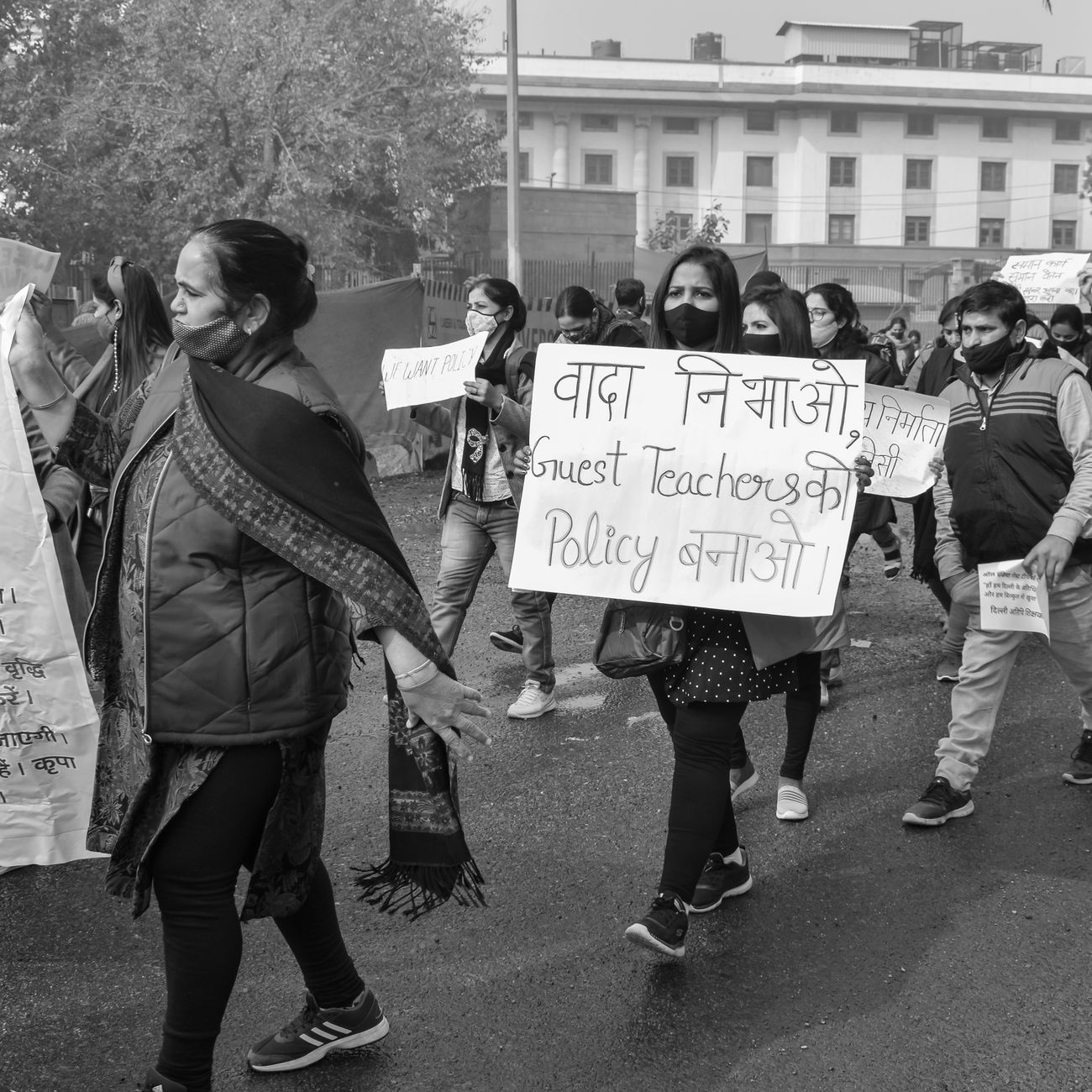
The National Eligibility cum Entrance Test (NEET) has once again become the centre of a national controversy, with allegations of paper leaks prompting widespread demands for Education Minister Dharmendra Pradhan's resignation. Amid this storm, the minister's meeting with the NEET topper has drawn both criticism and curiosity about the government's response to the crisis.
Understanding the NEET Leak Controversy
NEET is India's gateway examination for aspiring medical students, with over 20 lakh candidates appearing annually. Any compromise in the integrity of this exam affects not just immediate aspirants but the entire medical education system. The latest controversy erupted following allegations that the question paper was leaked before the examination, potentially giving unfair advantages to certain candidates.
The scale of NEET makes it particularly vulnerable to irregularities. Conducted across thousands of centres nationwide, the examination requires coordination between multiple agencies, creating potential weak points where breaches can occur. Previous years have witnessed isolated incidents of malpractice, but systematic leaks raise fundamental questions about examination security.
Why the Minister Met the Topper
Education Minister Pradhan's decision to meet with the NEET topper appears aimed at demonstrating that meritorious students still succeed despite controversies. The minister reportedly emphasized that the majority of the examination was conducted fairly and that genuine talent continues to shine through India's competitive examination system.
During the meeting, Pradhan highlighted several points:
- The government's commitment to maintaining examination integrity
- Measures being implemented to prevent future breaches
- Recognition of students who succeeded through honest preparation
- The need to separate genuine achievers from those who may have benefited from malpractice
Critics, however, view this meeting as an attempt at damage control rather than substantive action. Opposition parties and student organizations argue that meeting toppers does not address the core issue of systemic failures that allowed the alleged leak to occur.
The Broader Implications for India's Examination System
This controversy extends beyond NEET to reflect on India's entire competitive examination ecosystem. Millions of students prepare for various entrance tests including JEE for engineering, UPSC for civil services, and banking examinations. Any perception that these tests can be compromised erodes public trust in meritocracy.
The psychological impact on honest students cannot be understated. When rumours of paper leaks circulate, even those who succeed through legitimate means face questions about their achievements. This creates a climate of suspicion that undermines the value of competitive examinations as tools for identifying genuine merit.
Calls for Resignation and Accountability
Opposition parties and student groups have intensified demands for ministerial accountability. They argue that repeated examination irregularities indicate administrative failure at the highest levels. The education portfolio carries responsibility not just for conducting examinations but ensuring their sanctity.
Supporters of the minister counter that isolated incidents should not overshadow broader educational reforms undertaken during his tenure. They point to digitization efforts, increased transparency measures, and attempts to modernize India's examination infrastructure.
What Needs to Change
Experts suggest several systemic reforms to prevent future controversies:
- Implementation of advanced encryption and security protocols for question papers
- Greater use of technology including biometric authentication at test centres
- Randomized question paper generation to make leaks less impactful
- Stricter background checks for personnel handling examination materials
- Swift and transparent investigations when irregularities are alleged
- Harsh penalties for those found guilty of facilitating malpractice
The Path Forward
The NEET controversy ultimately demands more than defensive meetings with toppers. It requires comprehensive examination of how India conducts high-stakes tests affecting millions of young lives. While ministers may come and go, the institution of competitive examinations must remain robust enough to withstand both genuine threats and perception challenges.
For students currently preparing for future examinations, this controversy serves as a reminder that systemic change is necessary. Their voices calling for transparency and accountability matter as much as their academic preparation. The education system owes them examinations they can trust, regardless of political considerations.
This article is for general information purposes only. Views on political accountability and educational reforms may vary. Readers should follow official announcements from relevant examination authorities for factual updates on specific cases.