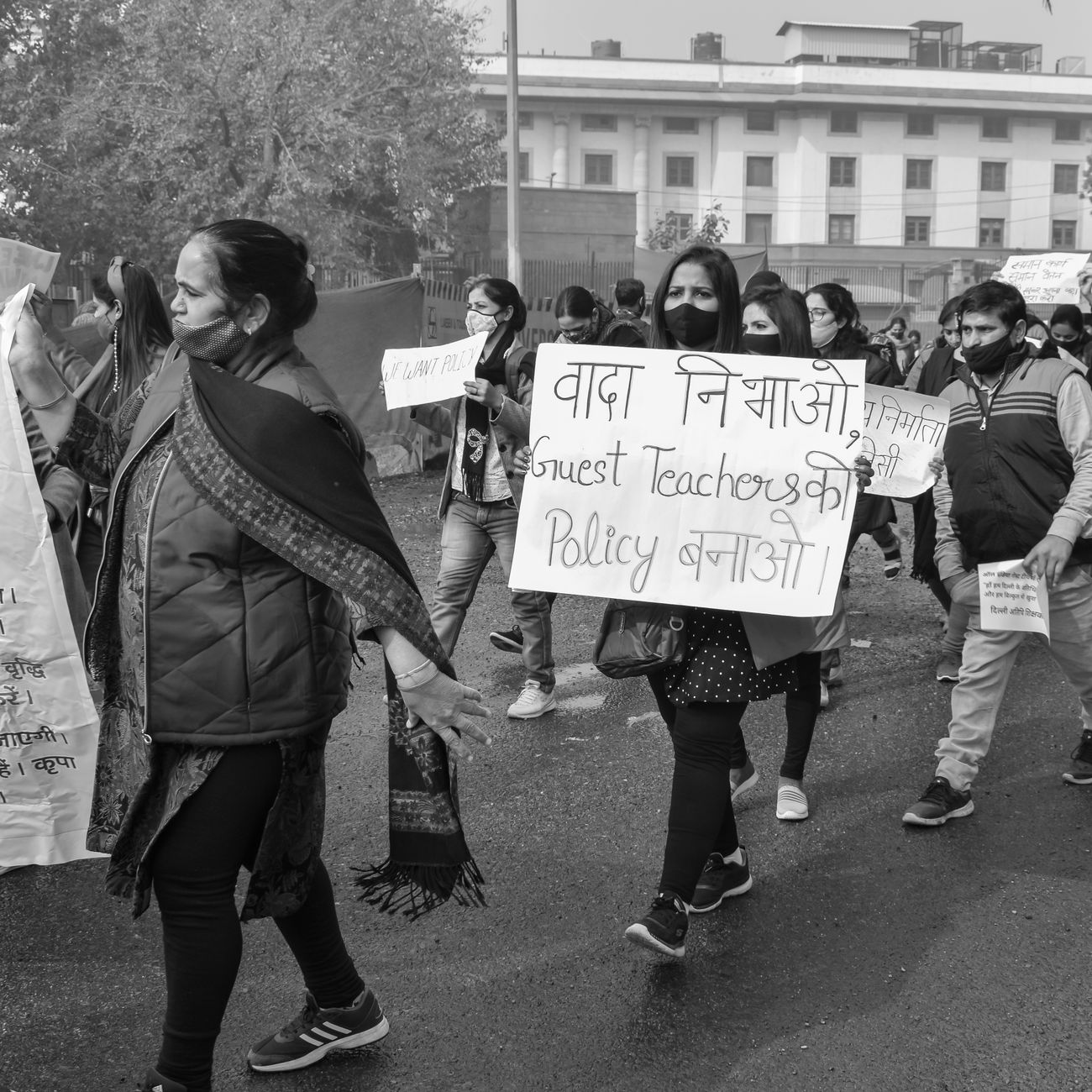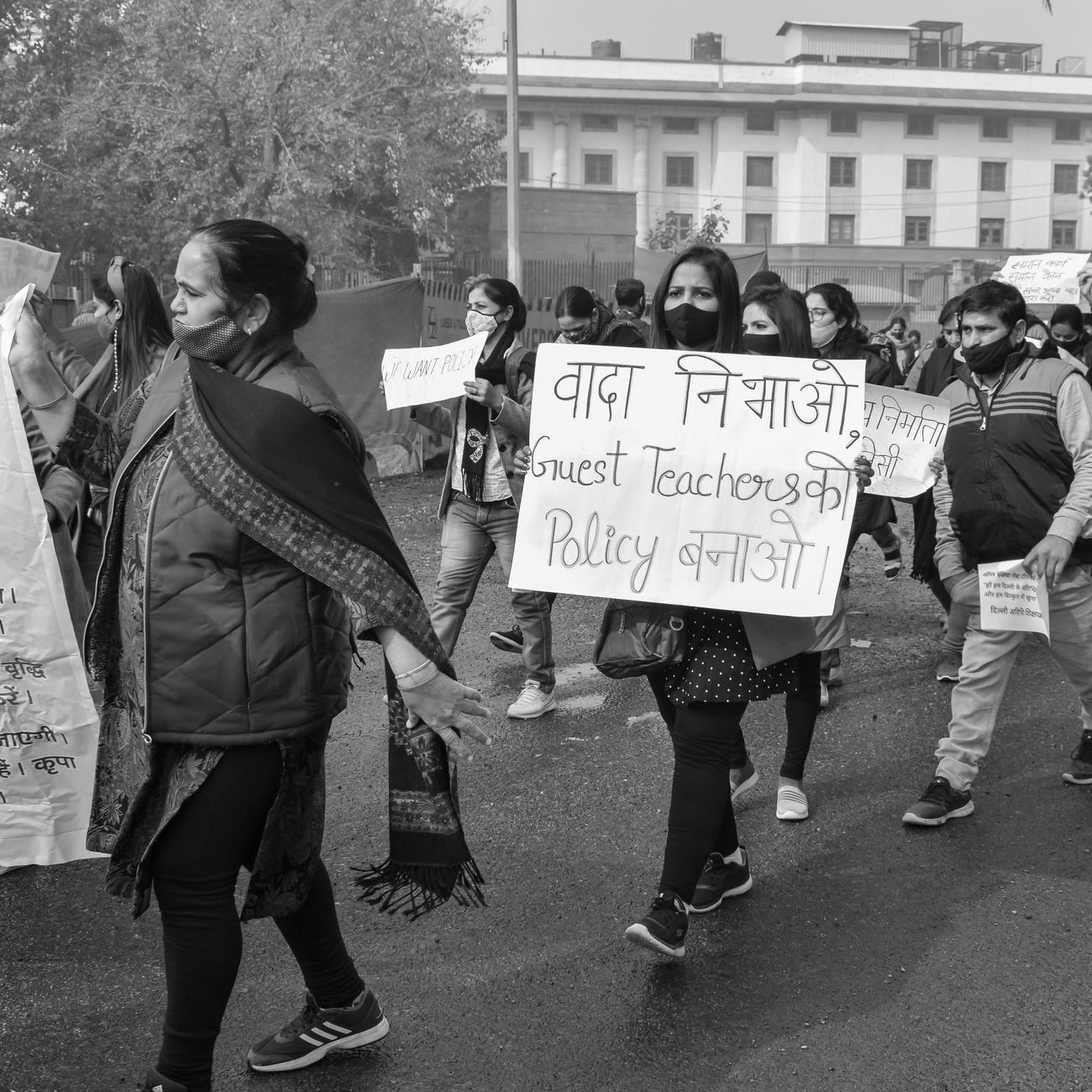
The resignation of a high-ranking education minister following sustained youth protests marks a watershed moment for India's examination system, signaling that student voices can no longer be ignored when systemic flaws emerge. The demonstrations, which spread across multiple cities, have forced authorities to confront long-standing issues with exam administration, paper leaks, and the intense pressure cooker environment surrounding competitive examinations.
The Catalyst for Nationwide Protests
India's examination ecosystem affects millions of students annually, from board exams to competitive tests for engineering, medical, and civil services positions. When irregularities surface—whether through paper leaks, technical glitches during computer-based tests, or perceived unfairness in evaluation—the consequences ripple through countless young lives. Recent protests were triggered by a combination of factors including alleged examination malpractices, demands for transparency in result processing, and calls for reducing the disproportionate weight single exams carry in determining career trajectories.
Students mobilized through social media platforms, organizing coordinated demonstrations that united diverse groups from small towns to metropolitan centers. The movement gained momentum as parents, educators, and opposition political parties lent their support, recognizing the legitimacy of student grievances.
Key Demands Driving Reform
The protesting students have articulated several core demands that education authorities are now being compelled to address:
- Implementation of more robust security measures to prevent paper leaks and cheating
- Introduction of multiple exam attempts throughout the year rather than single high-stakes tests
- Greater transparency in answer key publication and evaluation processes
- Reduction of examination fees, which disproportionately burden economically disadvantaged students
- Modernization of examination infrastructure, particularly in tier-2 and tier-3 cities
- Psychological support systems for students dealing with exam-related stress
Reforms Already Announced
In response to mounting pressure, education authorities have begun rolling out concrete reforms. These include the formation of specialized committees to review examination security protocols, proposals for conducting major competitive exams multiple times annually, and investments in technological infrastructure to ensure glitch-free computer-based testing.
Several examination bodies have also committed to faster resolution of student grievances and establishing dedicated helplines for reporting irregularities. The normalization process—which adjusts scores based on difficulty levels across different exam sessions—is being made more transparent with detailed explanations provided to candidates.
The Broader Context of India's Exam Culture
India's examination system has long been criticized for creating an environment where a student's entire future hinges on performance during a few crucial hours. With limited seats in premier institutions and intense competition for government jobs, exams have become high-pressure events that sometimes lead to mental health crises among youth.
The coaching industry, valued at thousands of crores, has mushroomed around these examinations, often making quality preparation accessible only to those who can afford expensive courses. This economic dimension adds another layer to demands for systemic reform.
Political Ramifications
A minister's resignation over education issues demonstrates the political sensitivity of youth concerns in India's democracy. With young voters comprising a significant electoral demographic, political parties across the spectrum recognize that being perceived as unresponsive to student demands carries electoral risks.
The resignation may also signal a shift toward greater accountability in education administration. Historically, examination irregularities were often met with token inquiries that rarely resulted in significant consequences for officials. Student activism has raised the stakes considerably.
What This Means for Future Examinations
Students preparing for upcoming examinations can expect gradual improvements in system reliability and transparency. However, fundamental shifts—such as moving away from single-exam dependence or thoroughly overhauling the competitive examination framework—will require sustained advocacy and policy development over several years.
Educational institutions and policymakers are now under pressure to explore alternative assessment methods that reduce stress while maintaining academic rigor. International models, including continuous evaluation systems and portfolio-based assessments, are being discussed as potential supplements to traditional examinations.
The Path Forward
The success of these protests in forcing immediate policy responses and political accountability demonstrates the power of organized youth activism. As reforms are implemented, continued vigilance will be necessary to ensure promises translate into meaningful change rather than cosmetic adjustments.
For India's education system to truly evolve, stakeholders must move beyond crisis-driven reforms toward proactive, student-centric policies that balance meritocracy with mental well-being and equitable access. The current moment represents an opportunity to reimagine how India evaluates and nurtures its young talent.