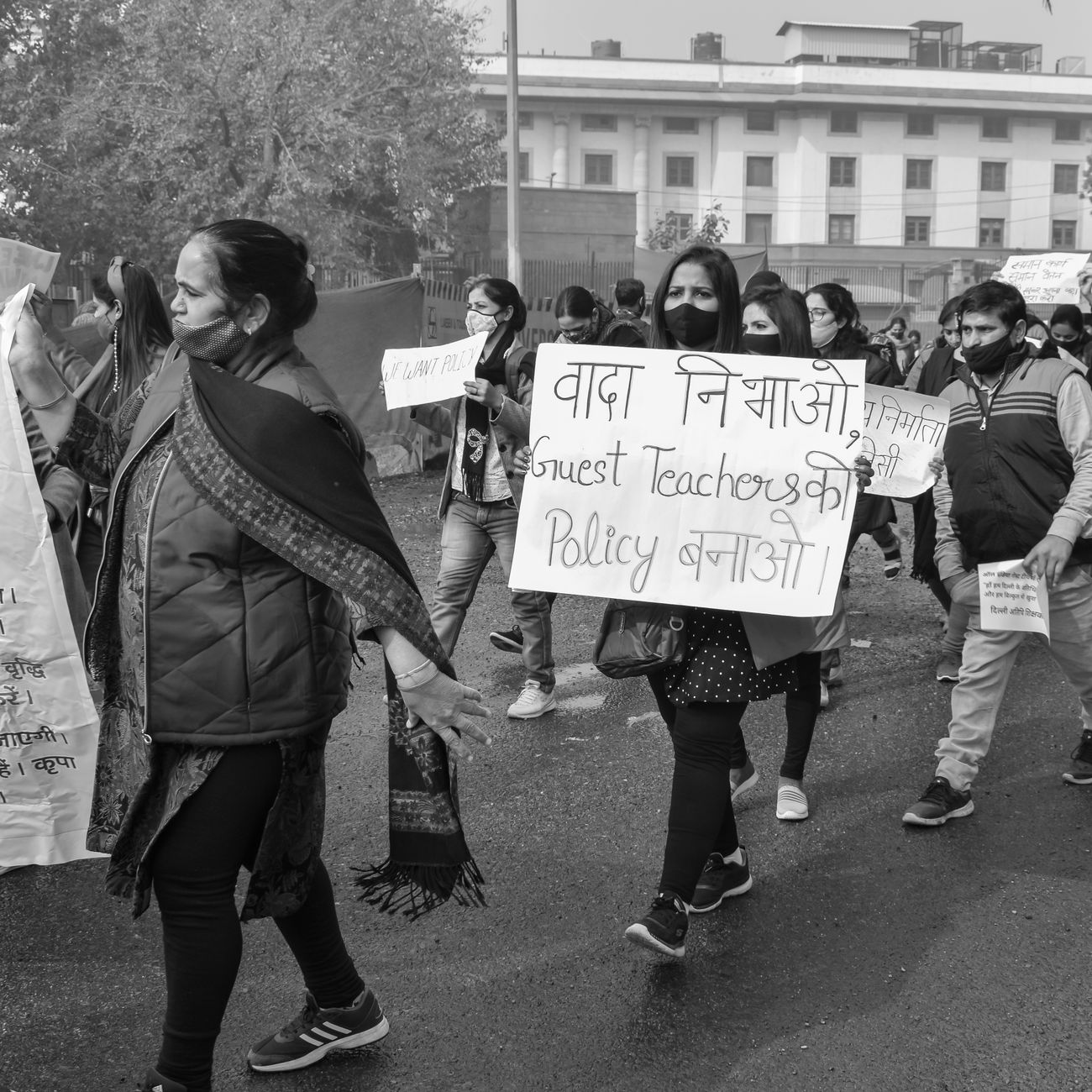
Student activism has long been a cornerstone of democratic societies, and India's vibrant tradition of campus politics continues to shape national conversations. When young people take to the streets demanding change in educational institutions, they often expose deeper systemic issues that affect millions of students across the country.
The Role of Student Protests in Indian Democracy
India has a storied history of student movements that have influenced social and political change. From the pre-independence era to the present day, university campuses have served as incubators for political thought and civic engagement. Student unions traditionally provide young Indians with their first experience of democratic participation, teaching them advocacy, negotiation, and collective action.
However, the relationship between student activism and institutional authority has always been complex. Universities must balance maintaining order and academic schedules with protecting students' constitutional right to peaceful protest and free expression.
Common Grievances Driving Student Demonstrations
Several recurring issues typically fuel student unrest in Indian educational institutions:
- Fee increases that make higher education unaffordable for middle-class and economically disadvantaged students
- Concerns about academic freedom and curriculum decisions
- Infrastructure deficiencies in hostels, libraries, and laboratories
- Employment uncertainty and inadequate career support services
- Administrative decisions made without student consultation
- Issues related to caste, gender, and religious discrimination on campuses
These concerns often intersect, creating a complex web of grievances that students believe require urgent attention from administrators and policymakers.
The Quality of Higher Education Debate
India's higher education system serves over 40 million students across thousands of institutions, making it one of the world's largest. Yet quantity hasn't always translated to quality. Many graduates struggle to find employment matching their qualifications, raising questions about curriculum relevance and skill development.
The National Education Policy 2020 attempted to address some concerns by promoting multidisciplinary learning, flexible degree structures, and greater emphasis on vocational training. However, implementation remains uneven, and students often feel disconnected from policy discussions that directly affect their futures.
Balancing Security Concerns with Democratic Rights
Authorities often cite security and public order when restricting protests, arguing that demonstrations disrupt academic activities and potentially turn violent. Some institutions have implemented strict guidelines about where, when, and how students may organize demonstrations.
Critics argue that overly restrictive measures stifle legitimate dissent and prevent students from developing as engaged citizens. They point out that learning to peacefully advocate for change is itself an important educational outcome that extends beyond classroom instruction.
The Digital Dimension of Student Activism
Modern student movements increasingly leverage social media to organize, document events, and build public support. Digital platforms allow students to bypass traditional media gatekeepers and directly communicate their perspectives to broader audiences.
However, this digital activism also creates new challenges. Misinformation can spread rapidly, and online discussions sometimes become polarized. Students may face online harassment or surveillance, raising privacy and safety concerns.
Economic Pressures on Students and Families
The cost of higher education in India has risen significantly, even at government-supported institutions. Private universities often charge fees beyond the reach of average families, while even subsidized institutions have increased costs for housing, materials, and other expenses.
Many students work part-time or take loans to finance their education, adding financial stress to academic pressures. When fee hikes are announced without adequate notice or justification, student frustration is understandable.
What Stakeholders Can Do
Meaningful dialogue between students, administrators, and government officials is essential for addressing educational challenges:
- Universities should establish transparent grievance redressal mechanisms with student representation
- Regular consultations should occur before implementing major policy changes
- Investment in infrastructure and faculty development should match enrollment growth
- Career services need strengthening to bridge the education-employment gap
- Policymakers should consider the financial burden on students when setting fee structures
Looking Forward
Student activism reflects young people's investment in their futures and their desire to shape the institutions that shape them. While protests may temporarily disrupt campus life, they often signal problems requiring attention rather than suppression.
A healthy democracy needs spaces where young citizens can safely express dissent, propose alternatives, and learn democratic participation. Educational institutions, as spaces dedicated to inquiry and growth, should model the values they aim to instill in students.
The questions raised by student movements about education quality, affordability, and institutional responsiveness won't disappear simply because specific protests end. Sustainable solutions require ongoing engagement, mutual respect, and commitment to improving India's educational ecosystem for current and future generations.