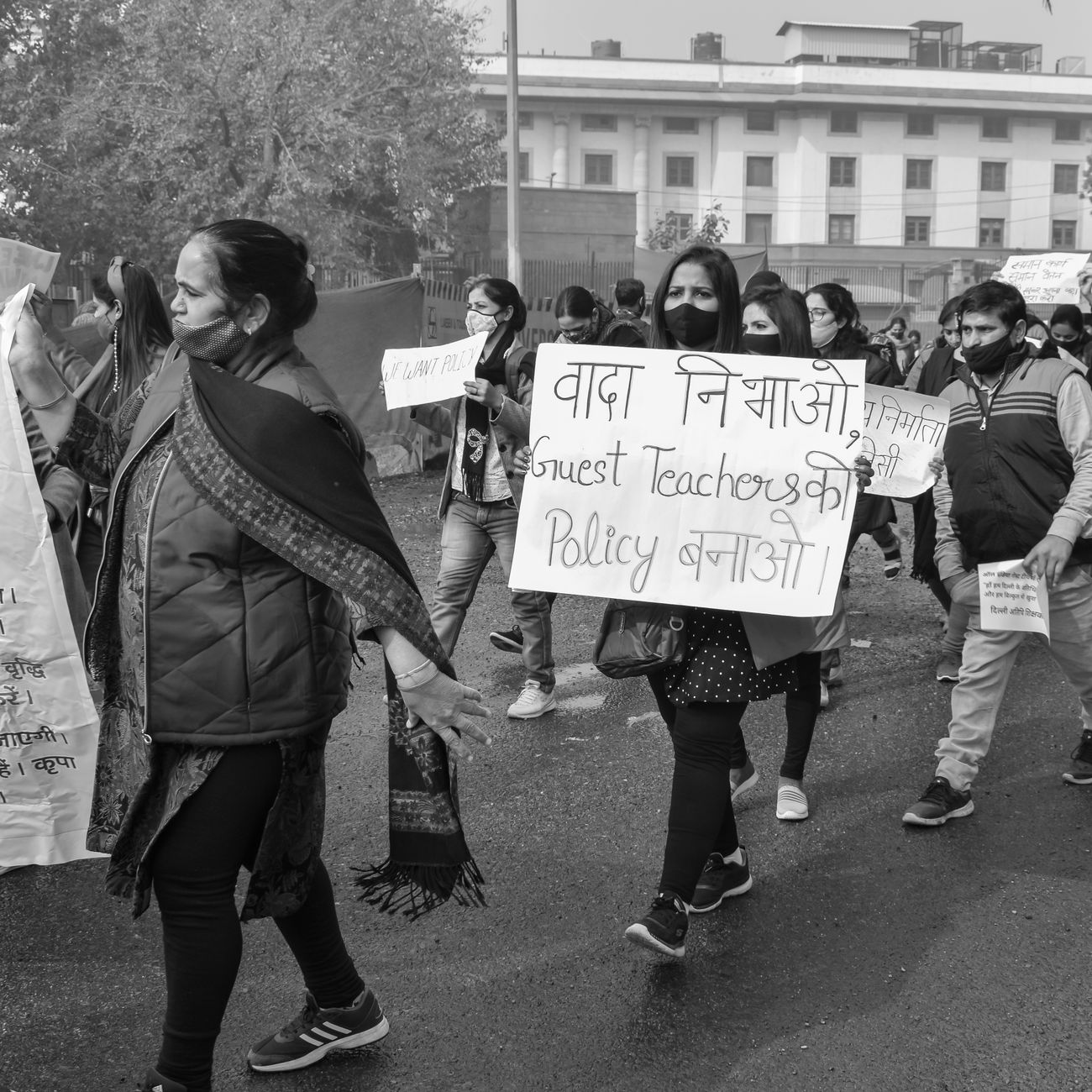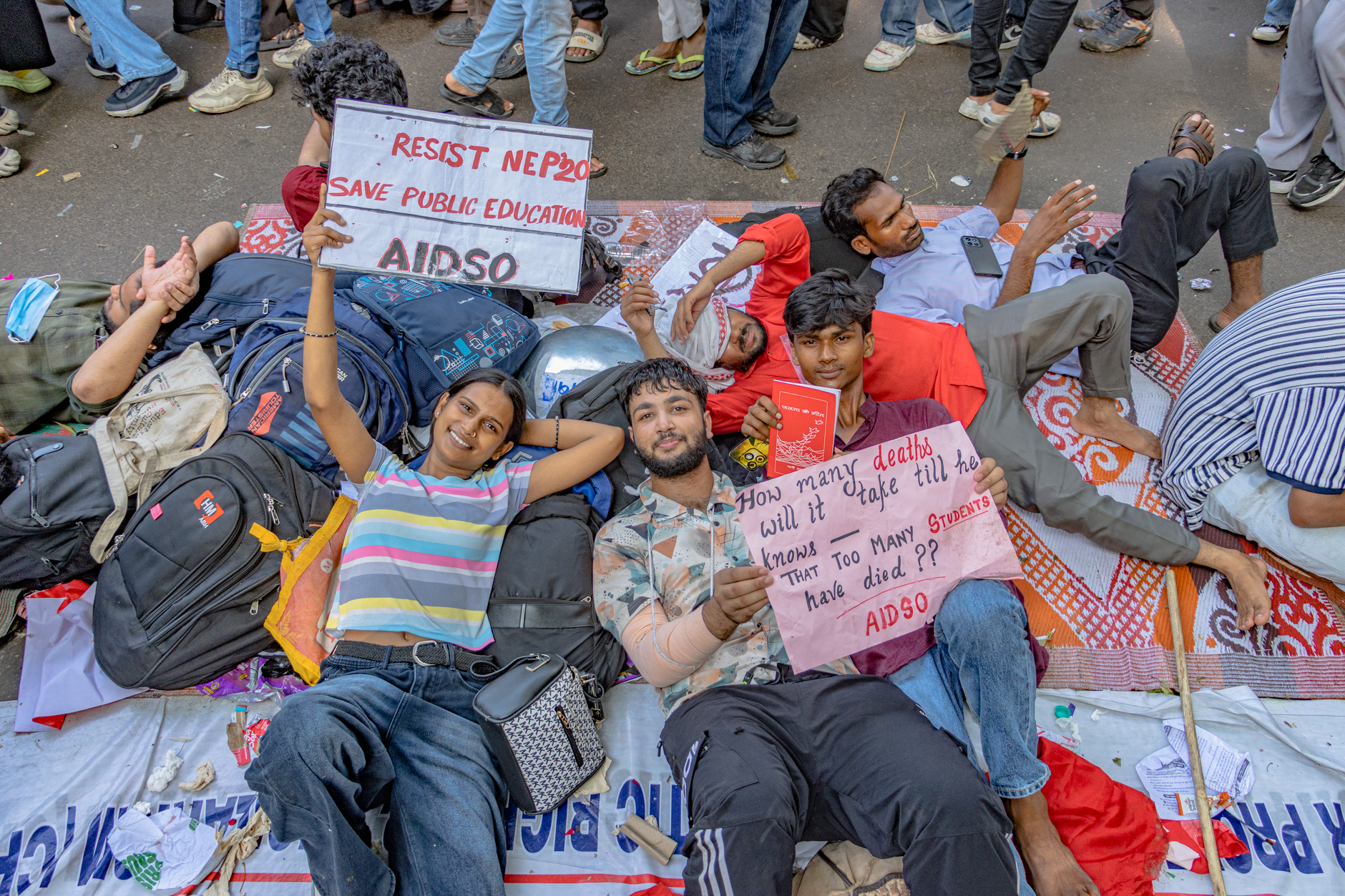
The recent removal of an education minister in India has thrust student activism back into the national spotlight, particularly a movement that has adopted the unlikely moniker of 'Cockroach.' This development raises important questions about the state of education policy, student voices, and the future of academic reforms in the country.
Understanding the 'Cockroach' Movement
The 'Cockroach' movement represents a form of student activism that has emerged in response to perceived failures in India's education system. The name itself carries symbolic weight—cockroaches are resilient creatures that survive in harsh conditions and are notoriously difficult to eliminate. Student activists have embraced this metaphor to signal their determination to persist despite attempts to silence or dismiss their concerns.
The movement has focused on several key issues affecting students across India, from examination reforms and curriculum changes to infrastructure problems and accessibility challenges. Students have expressed frustration with what they view as top-down policy decisions made without adequate consultation with those most affected by educational policies.
The Role of Social Media
Like many modern protest movements, the 'Cockroach' campaign has leveraged social media platforms to organize, share information, and build solidarity. Students have used hashtags, viral videos, and online petitions to draw attention to their grievances. This digital-first approach has allowed the movement to transcend geographical boundaries, connecting students from urban centers with those in smaller towns and rural areas.
The use of memes, infographics, and short-form content has made complex educational policy issues more accessible to the general public, building broader support beyond the student community itself.
Key Demands and Concerns
The movement has centered around several persistent issues in Indian education:
- Reform of examination systems that students argue prioritize rote memorization over critical thinking
- Greater transparency in educational policymaking and implementation
- Improved infrastructure in government schools and colleges
- More affordable access to quality education
- Protection of academic freedom and student rights on campuses
- Better mental health support systems for students facing academic pressure
What Led to the Minister's Removal
While the specific circumstances of the education minister's sacking may vary by state or context, such removals often reflect mounting political pressure when student unrest reaches critical levels. Ministers become vulnerable when protests gain widespread public sympathy, particularly if parents and educators join students in expressing concerns.
The removal of a minister, however, does not automatically translate into policy changes. Student movements must maintain momentum and articulate clear, actionable demands to ensure that leadership changes result in substantive reforms rather than merely cosmetic adjustments.
Challenges Ahead
The movement faces several obstacles as it seeks to influence education policy going forward. First, maintaining unity among diverse student groups with varying priorities remains difficult. Students in technical institutions may have different concerns than those in liberal arts colleges, while regional disparities create additional complexity.
Second, transforming protest energy into constructive policy engagement requires different skills and strategies. Student leaders must navigate bureaucratic processes and political realities while keeping their base mobilized.
Third, the movement must contend with potential backlash or attempts to delegitimize student activism as politically motivated or disruptive to academic functioning.
The Broader Context
India's education system serves hundreds of millions of students and faces structural challenges that predate any single movement or minister. Issues such as teacher shortages, outdated curricula, infrastructure gaps, and the digital divide require sustained policy attention and significant resource allocation.
Student movements can spotlight these problems and create political will for change, but solutions require collaboration among multiple stakeholders—government officials, educators, parents, and students themselves.
What Comes Next
The success of the 'Cockroach' movement will likely depend on its ability to transition from protest to participation in the policy process. This might include:
- Establishing formal channels for student input on education policy
- Building coalitions with teachers' unions and parent groups
- Developing detailed policy proposals rather than only highlighting problems
- Engaging with new leadership to test their willingness to implement reforms
- Maintaining public visibility while pursuing behind-the-scenes negotiations
The movement's symbolic power—resilience in the face of adversity—must now be matched by strategic thinking about how to achieve concrete improvements in India's education system. Whether the removal of one minister proves to be a turning point or merely a temporary victory will depend on how effectively students can sustain pressure for meaningful change.