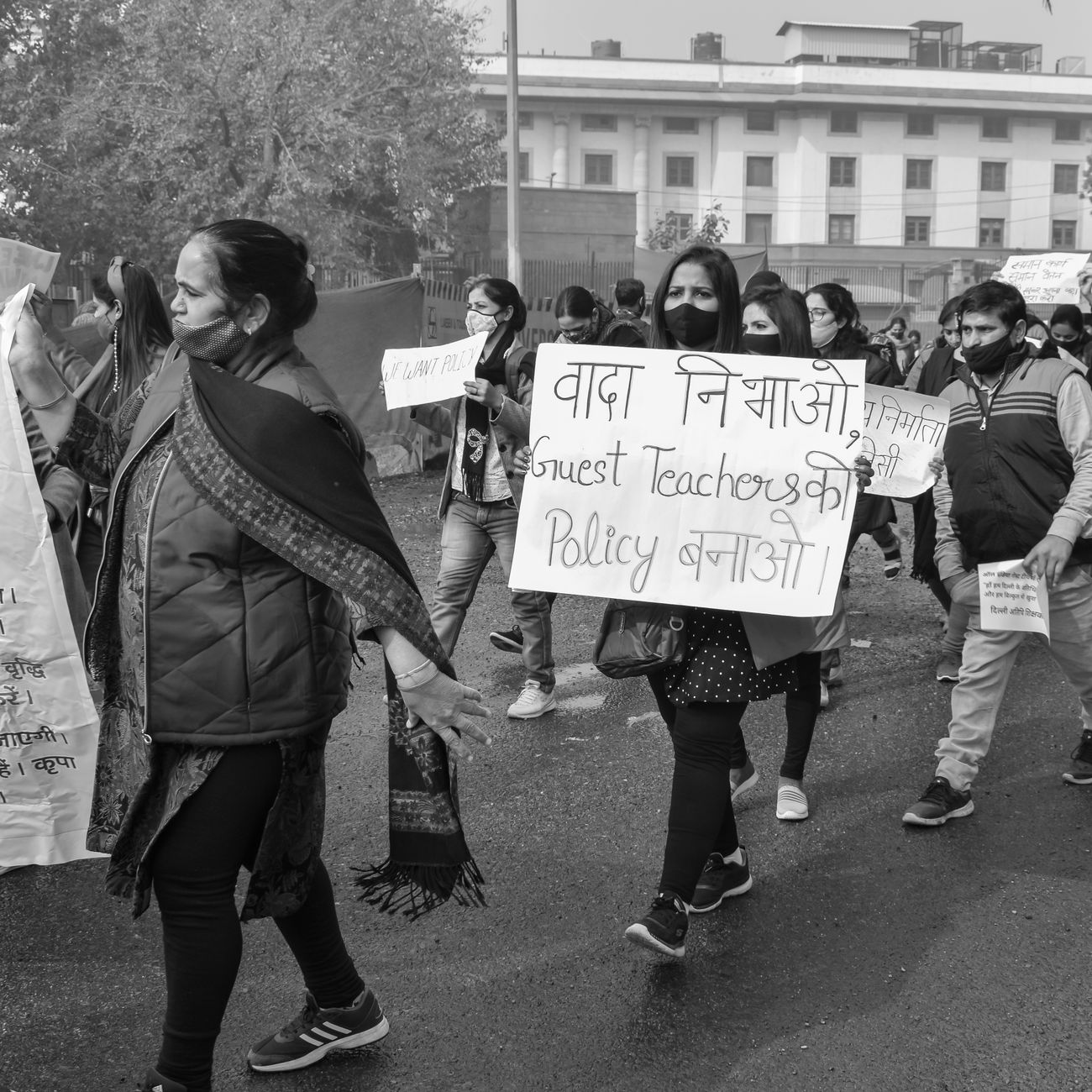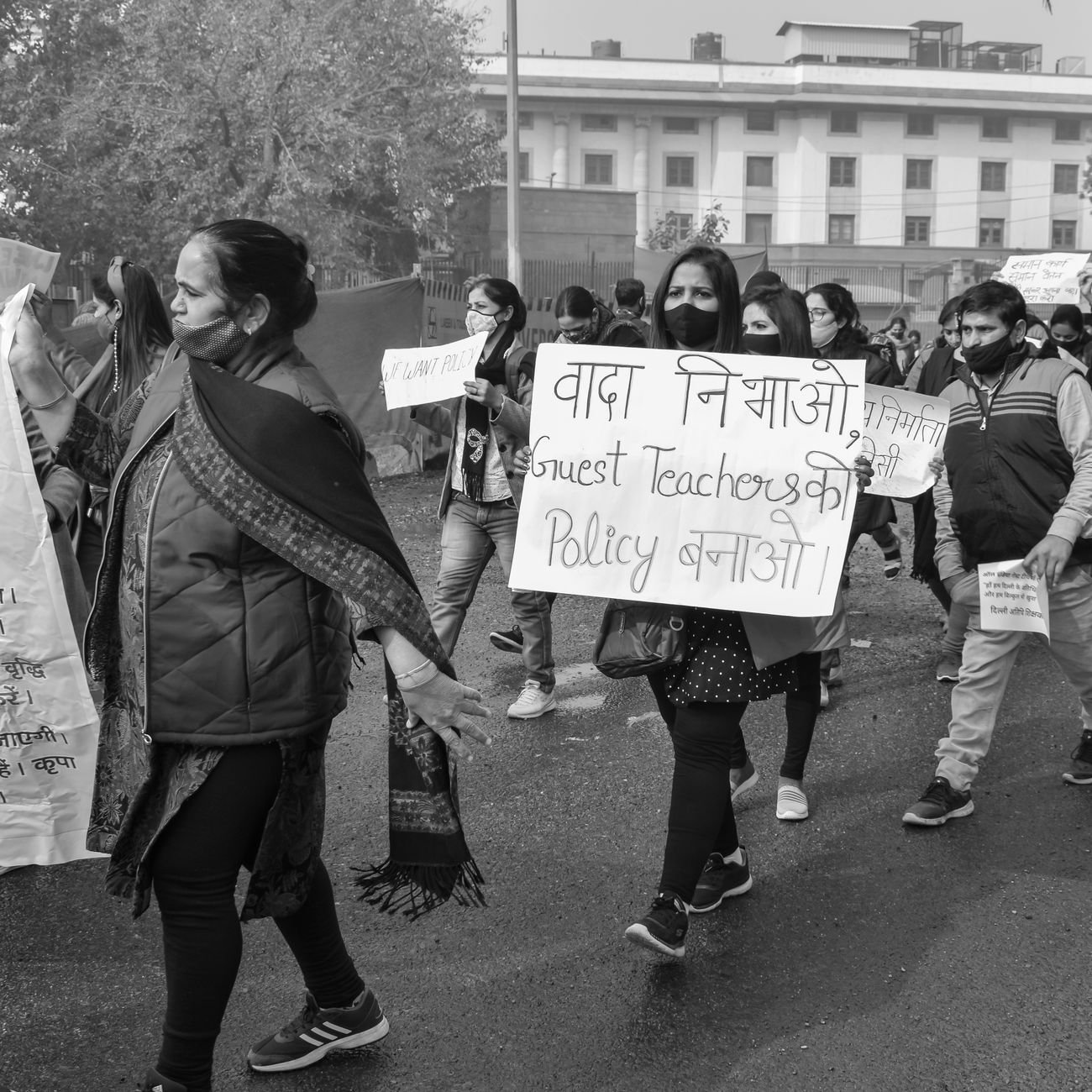
India's competitive examination system has long been the gateway to coveted government jobs and higher education opportunities. However, recent months have witnessed unprecedented protests by millions of young aspirants demanding reforms to address irregularities, delays, and systemic issues that have plagued the process.
What Sparked the Protests
The catalyst for nationwide demonstrations was a series of controversies surrounding major public examinations. Students raised concerns about paper leaks, sudden changes to exam patterns, extended delays in result declarations, and lack of transparency in the evaluation process. With millions of youth competing for limited government positions each year, these irregularities have real consequences for career trajectories and livelihoods.
The protests gained momentum as aspirants from various exam categories—including those preparing for railway recruitment, teaching positions, and civil services—joined forces. Social media amplified their voices, bringing national attention to their demands for accountability and systematic reform.
Key Reforms Being Implemented
In response to sustained pressure, the government has announced several significant changes to how public examinations are conducted and managed.
Enhanced Security Measures
One of the primary reforms focuses on preventing paper leaks and cheating. Authorities are implementing more stringent security protocols, including:
- Advanced encryption for question papers during transit and storage
- Increased CCTV surveillance at exam centres with real-time monitoring
- Biometric verification systems to prevent impersonation
- Tighter background checks for examination staff and invigilators
- Digital question banks with randomised paper generation
Improved Transparency and Communication
To address concerns about opacity in the examination process, new transparency measures include mandatory timelines for result declaration, detailed answer key publications immediately after exams, and clearer communication channels for grievance redressal. Several examination bodies are also moving toward providing individual scorecards with sectional breakdowns, allowing candidates to better understand their performance.
Standardisation of Exam Schedules
One major complaint from students was the unpredictability of exam dates and frequent postponements. The reforms aim to establish fixed annual calendars for major competitive examinations, announced well in advance. This allows aspirants to plan their preparation more effectively and reduces the financial burden of extended preparation periods.
Technology Integration
Digital transformation is at the heart of the reform agenda. More examinations are transitioning to computer-based testing formats, which offers several advantages including faster result processing, reduced paper handling, and better data security. Online application systems are being streamlined to make the registration process more user-friendly and less prone to technical glitches.
Addressing Age Limit and Attempt Restrictions
Some examination bodies are reconsidering rigid age limits and attempt restrictions, particularly for exams that have experienced repeated delays or cancellations. While maintaining standards, there's growing recognition that systemic failures shouldn't penalise candidates who have invested years in preparation.
What This Means for Future Aspirants
For students planning to appear for competitive examinations, these reforms signal a gradual shift toward a more reliable and transparent system. However, implementation timelines vary across different examination authorities, and not all changes will be instantaneous.
Aspirants should stay informed about specific reforms applicable to their target examinations. Most exam conducting bodies are expected to update their websites with detailed information about new procedures, revised schedules, and modified exam patterns where applicable.
The reforms also emphasise the importance of legitimate preparation over shortcuts or malpractice. Enhanced security measures mean attempting to cheat carries greater risks and consequences than before.
Challenges Ahead
While the announced reforms are welcome steps, their successful implementation remains the true test. India's examination system operates at an enormous scale—some exams see millions of applicants annually. Ensuring consistent quality across thousands of test centres nationwide requires sustained effort, adequate funding, and continuous monitoring.
Student organisations and civil society groups have emphasised the need for accountability mechanisms to ensure reform promises translate into ground-level changes. Many are calling for independent oversight bodies to monitor examination processes and investigate complaints.
The coming months will be crucial in determining whether these reforms effectively address the systemic issues that triggered the protests, or whether they represent merely procedural changes without substantive impact. For India's youth, the stakes couldn't be higher—these examinations often represent their best opportunity for economic mobility and stable careers.