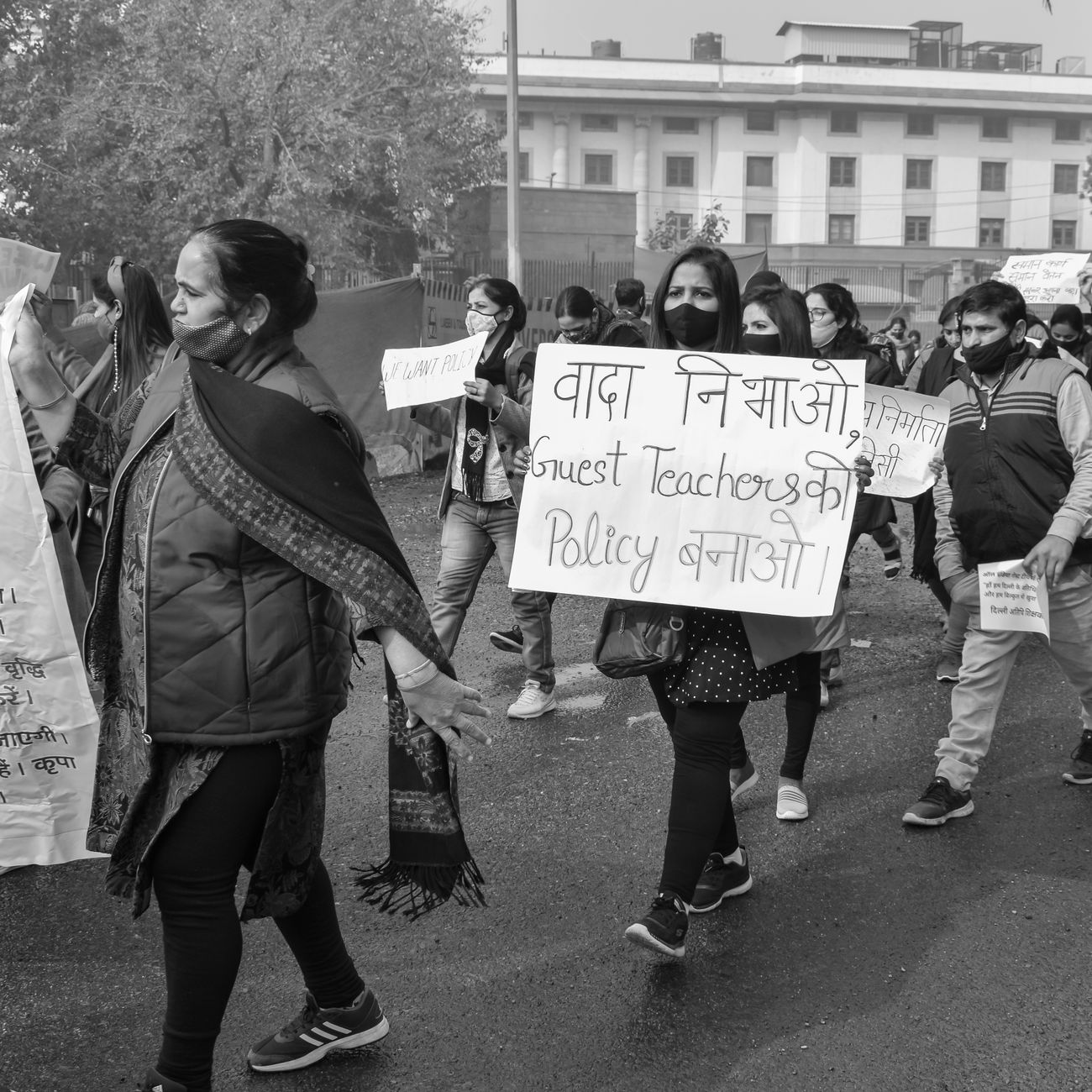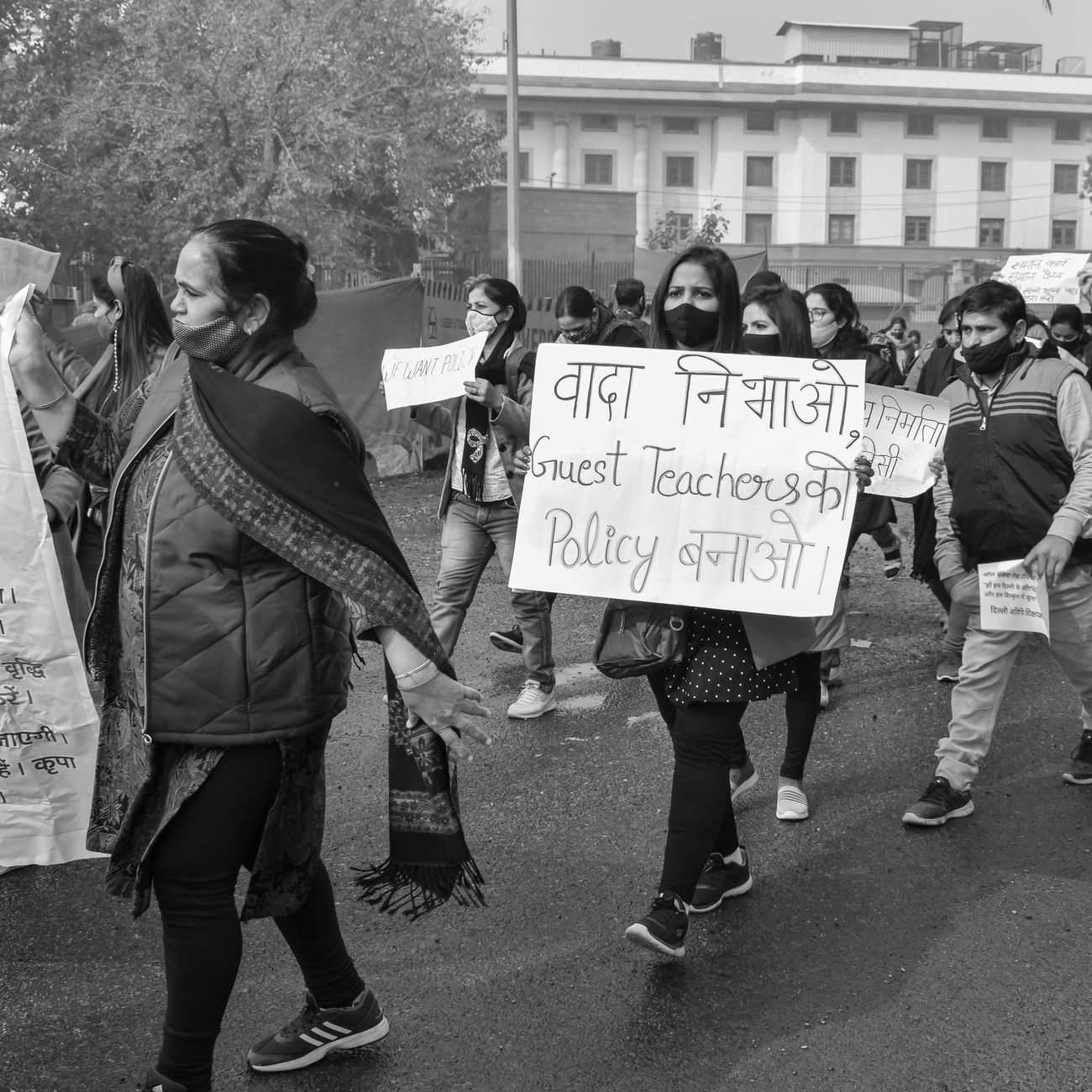
A dramatic two-week hunger strike by students has thrust India's examination system into the national spotlight, raising critical questions about the fairness, transparency, and immense pressure created by the country's competitive testing culture. This form of protest underscores the desperation felt by millions of young Indians navigating an education system where a single exam can determine their entire future.
The High-Stakes Nature of Indian Examinations
India's education system places extraordinary emphasis on standardized examinations, particularly for entrance to prestigious institutions and government positions. Exams like the NEET for medical colleges, JEE for engineering schools, UPSC for civil services, and various state-level competitive tests serve as gatekeepers to career opportunities. With millions of aspirants competing for limited seats, the pressure on students is immense, often beginning years before the actual examination date.
The stakes are particularly high because alternative pathways to success are perceived as limited. A poor performance in these crucial exams can feel like a life-altering setback, driving students and their families to invest enormous resources in coaching centers, study materials, and preparation time.
Common Grievances Behind the Protests
Student protests against examination systems typically center on several recurring issues. Paper leaks have become alarmingly common, with question papers sometimes appearing on social media or being sold to privileged students hours before the exam. These incidents fundamentally undermine the merit-based principle that supposedly governs the system.
Technical glitches during computer-based tests represent another major concern. Server crashes, software errors, and malfunctioning equipment can cost precious minutes or completely derail a candidate's performance. When students have prepared for years, even minor technical issues feel catastrophic.
Allegations of evaluation errors and arbitrary marking schemes also fuel discontent. Students sometimes discover significant disparities when answer sheets are re-evaluated, raising questions about the consistency and fairness of the grading process.
Additionally, frequent last-minute changes to exam patterns, syllabi, or eligibility criteria create confusion and anxiety among aspirants who have structured their preparation around specific guidelines.
The Psychological Toll on Students
The intense pressure surrounding these examinations has created a mental health crisis among Indian students. Coaching hub cities like Kota in Rajasthan have reported alarming rates of student suicides, particularly during examination seasons. The fear of failure, combined with family expectations and societal pressure, creates an environment where young people feel their entire worth is determined by a single test score.
This pressure is compounded by the significant financial investments families make in their children's preparation. Many middle-class families spend lakhs of rupees on coaching classes, creating additional stress on students who fear disappointing parents who have sacrificed so much.
Why Hunger Strikes Become Necessary
The decision to undertake a hunger strike reflects the perceived ineffectiveness of conventional complaint mechanisms. Students often feel that official channels for redressal are slow, unresponsive, or biased toward protecting institutional reputations rather than addressing genuine grievances.
Hunger strikes draw media attention and public sympathy in ways that written complaints or peaceful demonstrations sometimes cannot. In India's democracy, such dramatic forms of protest have historical precedent and can pressure authorities to take swift action.
Calls for Systemic Reform
Education experts and reformers have long advocated for fundamental changes to India's examination system. Suggestions include implementing multiple testing windows throughout the year to reduce the "one-chance" pressure, developing more holistic admission criteria that consider diverse talents and skills beyond test scores, and improving the security and transparency of examination processes.
Some propose moving toward continuous assessment models rather than relying solely on high-stakes single examinations. Countries like Finland and Singapore have successfully implemented education systems that reduce examination stress while maintaining high standards.
The Path Forward
Addressing these concerns requires coordination between examination authorities, educational institutions, and policymakers. Immediate steps should include strengthening anti-cheating measures, ensuring robust technical infrastructure for computer-based tests, and creating transparent, accessible grievance redressal mechanisms.
Longer-term reforms must tackle the fundamental culture of examination obsession, promoting alternative definitions of success and multiple pathways to meaningful careers. Until such changes occur, protests like hunger strikes will likely continue as students demand accountability and fairness from a system that holds so much power over their futures.
The current hunger strike serves as a wake-up call that India's examination system, while designed to ensure meritocracy, may instead be creating barriers to genuine talent and causing immense suffering for the very students it claims to serve.