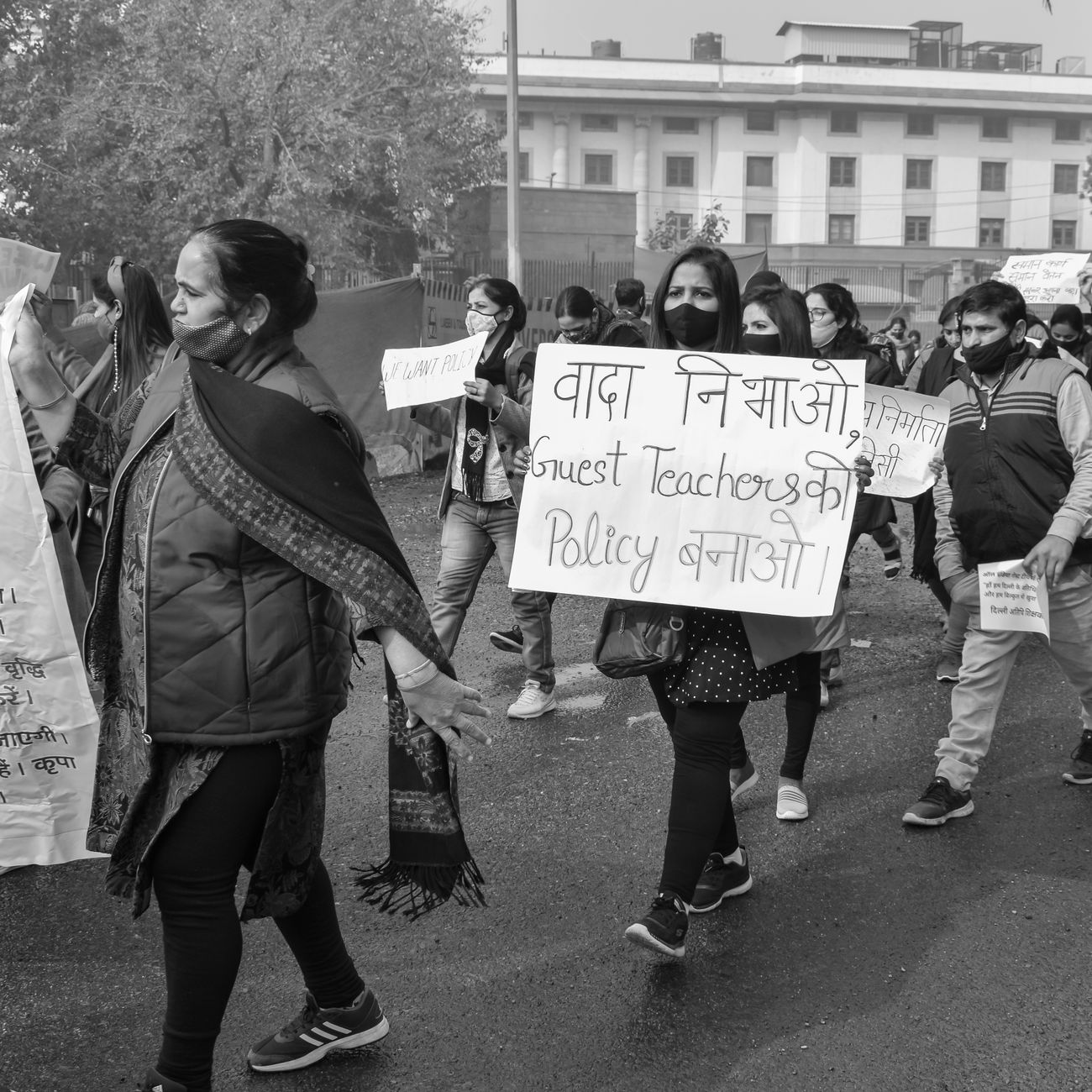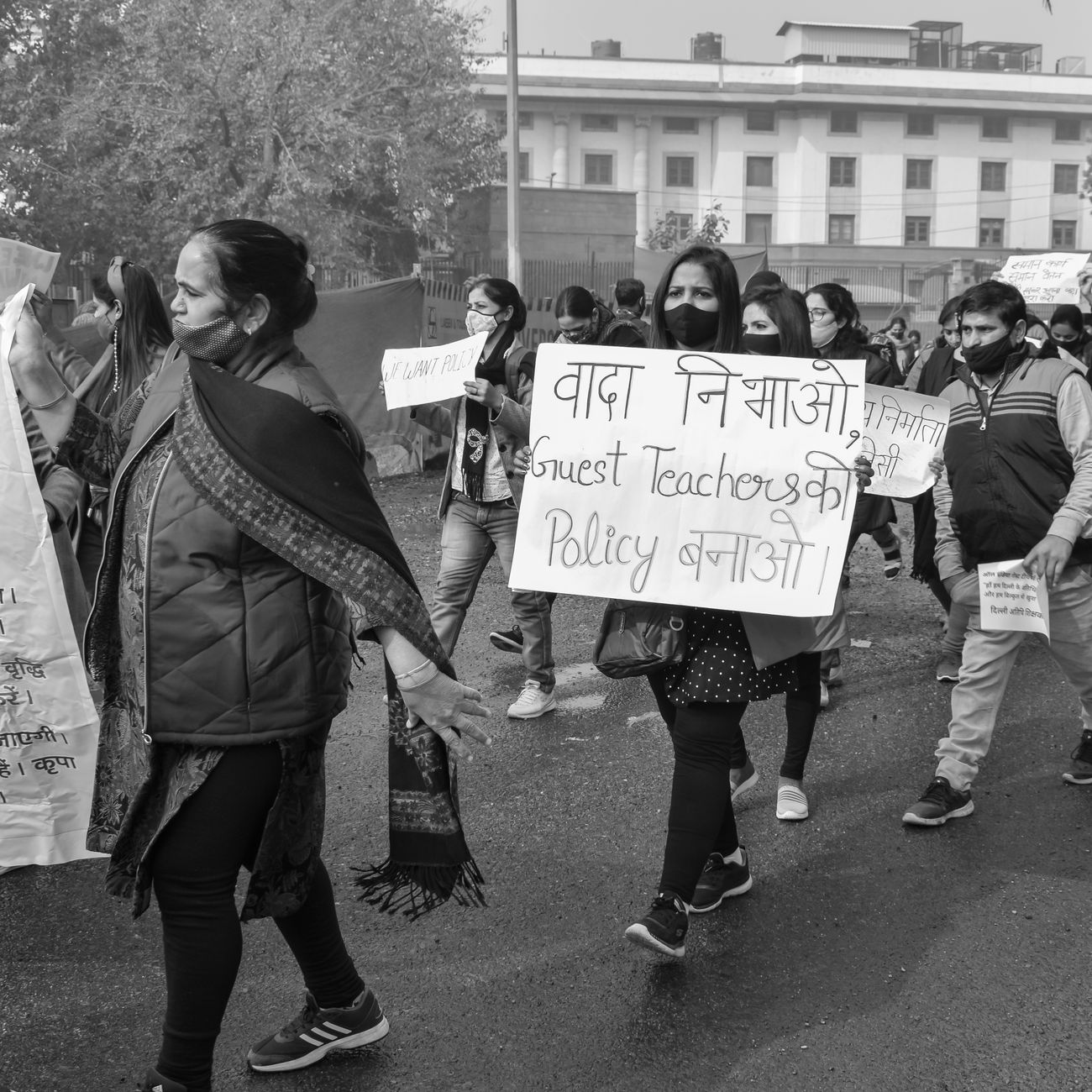
India's education system has long been a subject of intense debate, with students, parents, and educators frequently raising concerns about outdated curricula, examination pressure, and limited practical skill development. While recent protests have brought these issues into sharp focus, the ongoing education reforms signal a deeper transformation that addresses structural challenges accumulated over decades.
Understanding the Broader Reform Agenda
The current wave of education reforms extends far beyond reactive policy changes. India's education landscape is witnessing a comprehensive overhaul that touches multiple dimensions—from early childhood education to higher learning, from curriculum design to assessment methods, and from infrastructure development to teacher training programmes.
These reforms recognise that India's demographic dividend can only be truly leveraged if the education system produces graduates equipped for 21st-century challenges. With over 250 million students enrolled across schools and universities, incremental changes are insufficient. The reforms aim to create a flexible, multidisciplinary framework that encourages critical thinking rather than rote memorisation.
Key Areas of Transformation
The reforms focus on several critical areas that have historically limited India's education system. Foundational literacy and numeracy receive renewed emphasis, addressing the reality that many students progress through grades without mastering basic skills. Early childhood education is being integrated more formally into the mainstream system, recognising that learning outcomes in later years depend heavily on early development.
Curriculum restructuring represents another major shift. The traditional 10+2 structure is being reimagined to allow greater flexibility and reduce the rigid streaming of students into science, commerce, or humanities. Students can now potentially combine subjects across disciplines, preparing them for an economy where interdisciplinary knowledge is increasingly valuable.
Addressing Digital Divide and Accessibility
Technology integration has accelerated dramatically, though this brings both opportunities and challenges. Digital infrastructure in education expanded rapidly during the pandemic, but the reforms acknowledge that meaningful digital education requires more than just distributing devices. It demands teacher training, appropriate content, and addressing connectivity gaps between urban and rural areas.
The reforms also emphasise making education more inclusive for students with disabilities, those from economically disadvantaged backgrounds, and regional language speakers. The push for multilingual education recognises that students learn better in their mother tongue, especially during foundational years.
Vocational Education and Skill Development
Perhaps one of the most significant shifts involves integrating vocational education into mainstream schooling. Historically, vocational training was seen as a separate, often lower-status track. The new approach embeds skill development throughout the education journey, exposing students to practical trades and professions from middle school onwards.
This addresses a critical gap in India's employment landscape. Despite producing millions of graduates annually, many lack job-ready skills. By normalising vocational education and linking it with academic learning, the reforms aim to create multiple pathways to dignified, productive careers.
Higher Education Autonomy and Quality
In higher education, the reforms promote greater institutional autonomy while simultaneously establishing stronger quality assurance mechanisms. Universities are being encouraged to design flexible degree programmes, including multiple entry and exit points that accommodate diverse student needs and life circumstances.
Research and innovation receive special attention, with efforts to strengthen India's relatively weak research ecosystem. This includes promoting collaborations between industry and academia, increasing research funding, and creating environments where faculty and students can pursue curiosity-driven inquiry alongside applied research.
Implementation Challenges Ahead
While the vision is ambitious, implementation remains the critical test. India's education system is vast and diverse, governed by both central and state authorities. Ensuring consistent implementation across different states, each with varying resources and priorities, presents significant challenges.
Teacher preparation and professional development require massive investment. Transforming pedagogy from teacher-centred rote learning to student-centred exploratory learning demands that teachers themselves receive training and support. Without adequate investment in teacher development, even well-designed reforms may fail at the classroom level.
Infrastructure gaps, particularly in rural areas, continue to constrain possibilities. Many schools lack basic facilities like functioning toilets, libraries, or science laboratories. Digital education requires reliable electricity and internet—luxuries in many parts of India.
Looking Forward
The education reforms signal recognition that India's future competitiveness depends on human capital development. By addressing systemic issues rather than merely responding to immediate protests, policymakers are attempting to build an education system fit for contemporary needs.
Success will depend on sustained political will, adequate resource allocation, and genuine stakeholder engagement. The reforms offer a framework, but translating vision into reality requires coordinated effort across government levels, educational institutions, and communities. As implementation progresses, monitoring outcomes and remaining responsive to ground realities will determine whether these reforms truly transform Indian education or become another set of well-intentioned policies that falter in execution.