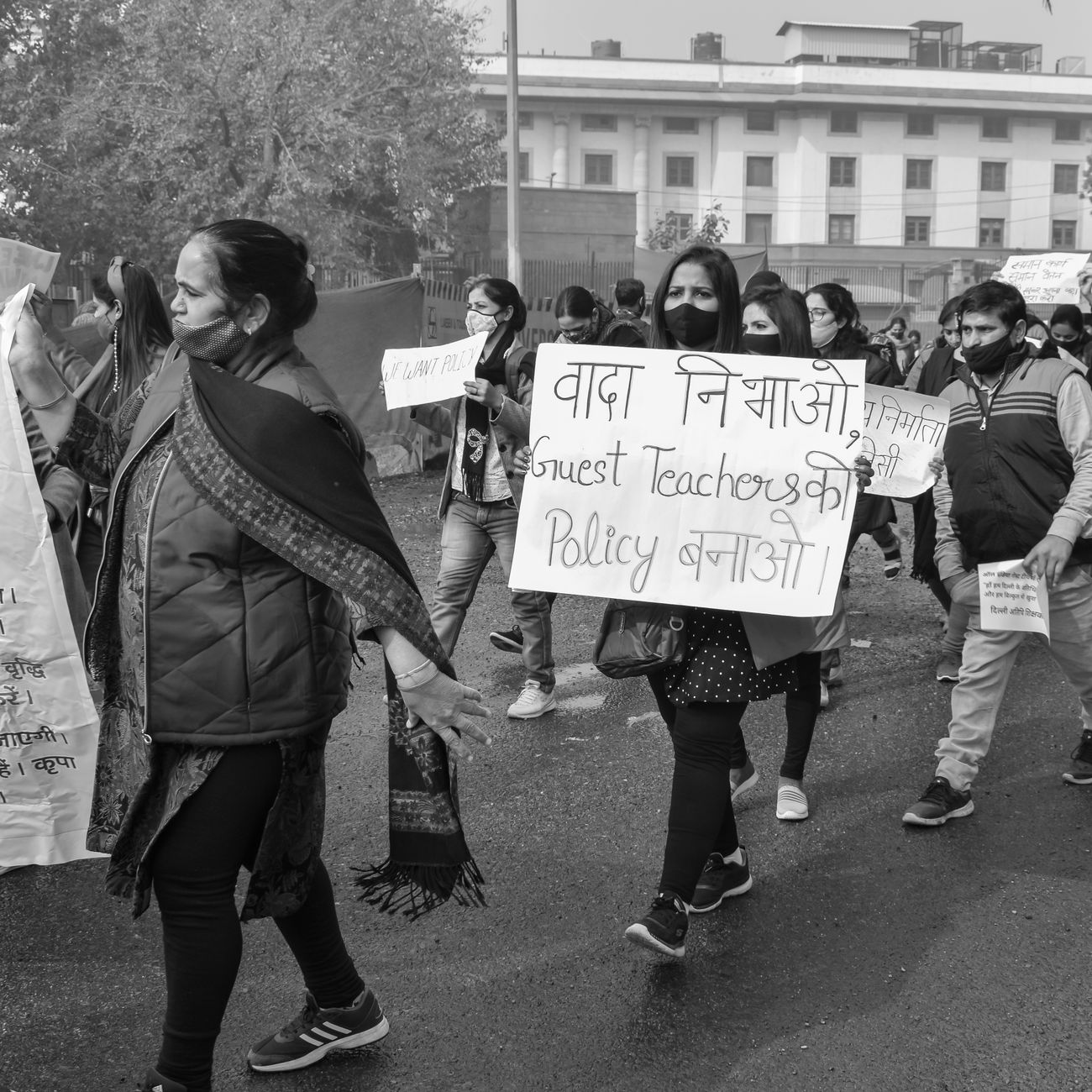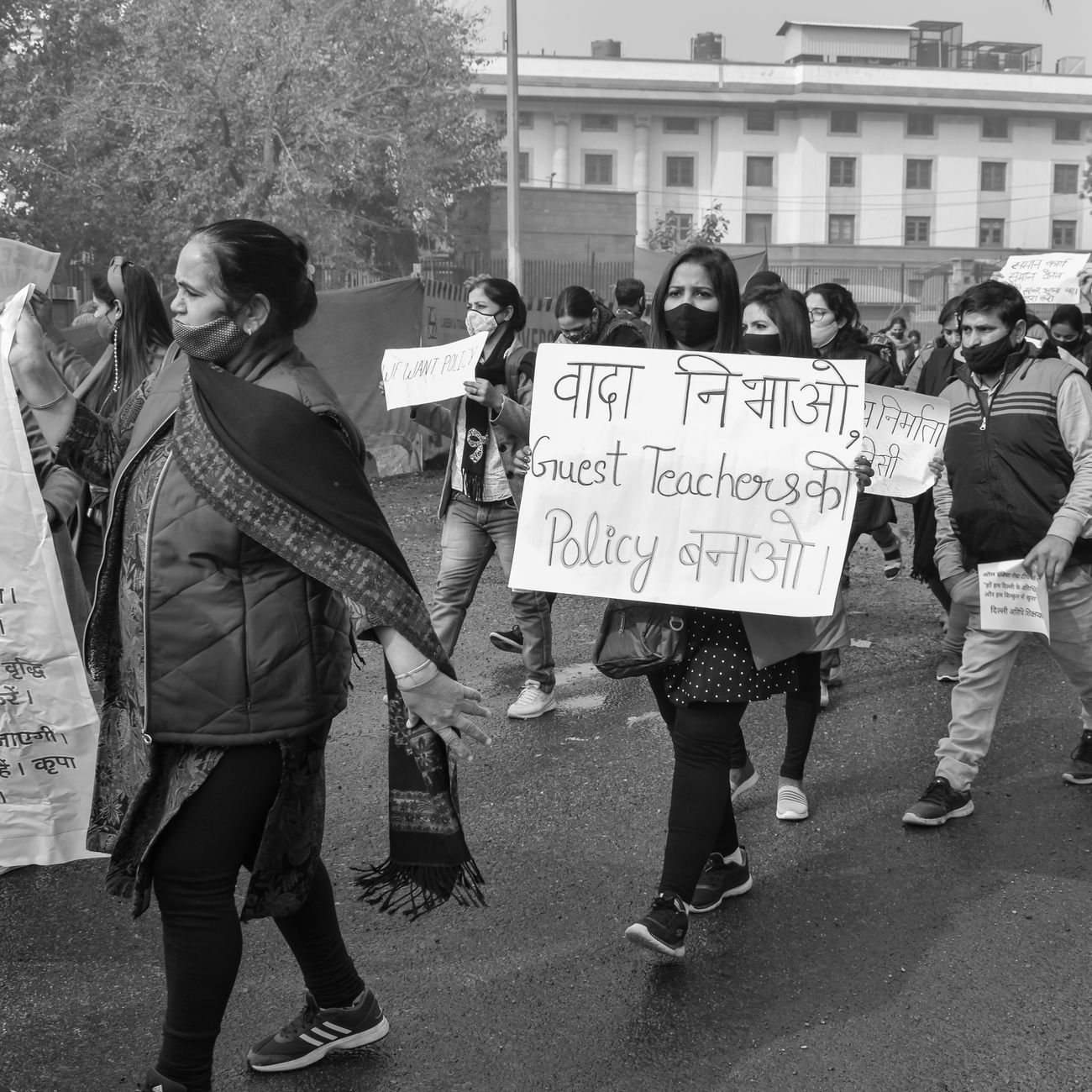
In a dramatic turn of events that underscores the power of youth activism in India, the Education Minister has stepped down following sustained protests by students across the country. The resignation, which protesters are celebrating as a major victory, brings to an end weeks of demonstrations that highlighted deep-seated concerns about India's education policies.
What Sparked the Protests
Student movements in India have a long history of shaping policy, and the latest wave of protests appears to have been building over multiple grievances. Education remains one of the most critical issues for India's massive youth population, with the country home to the world's largest cohort of young people under 25.
Common concerns that typically fuel such movements include examination reforms, access to quality education, fee structures, and employment prospects after graduation. The Indian education system serves over 250 million students, making any policy decision a matter of enormous consequence.
The Scale of Student Mobilization
When Indian students take to the streets, the impact can be substantial. University campuses from Delhi to Chennai, Mumbai to Kolkata, have historically served as centers of political engagement and social change. Student unions and youth organizations possess significant organizing capability, often coordinating protests across multiple cities simultaneously.
The fact that protesters have declared victory and ended their demonstrations suggests their core demands have been acknowledged, with the ministerial resignation serving as a symbolic and practical concession. This outcome demonstrates the accountability mechanisms that can function in the world's largest democracy when public pressure reaches critical mass.
Implications for Education Policy
The resignation of a cabinet minister over education issues sends several important signals:
- It validates student concerns as legitimate policy matters requiring immediate attention
- It demonstrates that sustained, organized protest can influence governance decisions
- It opens the door for potential policy reforms under new leadership
- It may encourage greater consultation with student bodies on future education initiatives
What Happens Next
Following a ministerial resignation, the government typically appoints a replacement who may bring fresh perspectives to the role. This transition period often presents opportunities for policy reassessment and reform. Student organizations will likely maintain pressure to ensure their demands translate into concrete policy changes rather than remaining symbolic victories.
The next Education Minister will inherit a challenging portfolio. India's education sector faces numerous structural challenges including quality disparities between urban and rural institutions, the need for curriculum modernization, infrastructure gaps, and the ongoing integration of technology in learning environments.
The Broader Context of Youth Activism
This development fits within a larger pattern of youth engagement in Indian politics and policy. Young Indians, increasingly connected through social media and digital platforms, have become more vocal about issues affecting their futures. Education, employment, and economic opportunity consistently rank among their top concerns.
Student protests have historically played pivotal roles in Indian politics. From the independence movement to contemporary policy debates, university campuses have served as incubators for political consciousness and social movements. The current generation, armed with digital tools and global awareness, continues this tradition while adding new dimensions to activism.
Challenges Ahead for Education Reform
While the ministerial resignation marks a victory for protesters, transforming India's vast education system requires sustained effort beyond symbolic changes. Key challenges include:
- Balancing traditional examination systems with skill-based learning approaches
- Ensuring equitable access to quality education across socioeconomic groups
- Addressing the gap between academic credentials and employment opportunities
- Modernizing curricula to meet 21st-century demands
- Managing the logistics of serving hundreds of millions of students
Democratic Participation in Action
This episode illustrates how democratic participation functions in India. Young people, exercising their constitutional rights to peaceful protest and free expression, successfully influenced government decisions. The willingness of authorities to respond to sustained public pressure, while sometimes slow, remains a cornerstone of Indian democracy.
The resignation also highlights the delicate balance ministers must maintain between policy implementation and public sentiment. In a country where education directly affects the futures of hundreds of millions of young people, getting policies right matters enormously, and the political costs of getting them wrong can be substantial.
As India continues developing as a major global economy, its ability to educate and skill its massive youth population will prove critical. How the government responds to this moment of crisis and opportunity will shape educational outcomes for years to come.