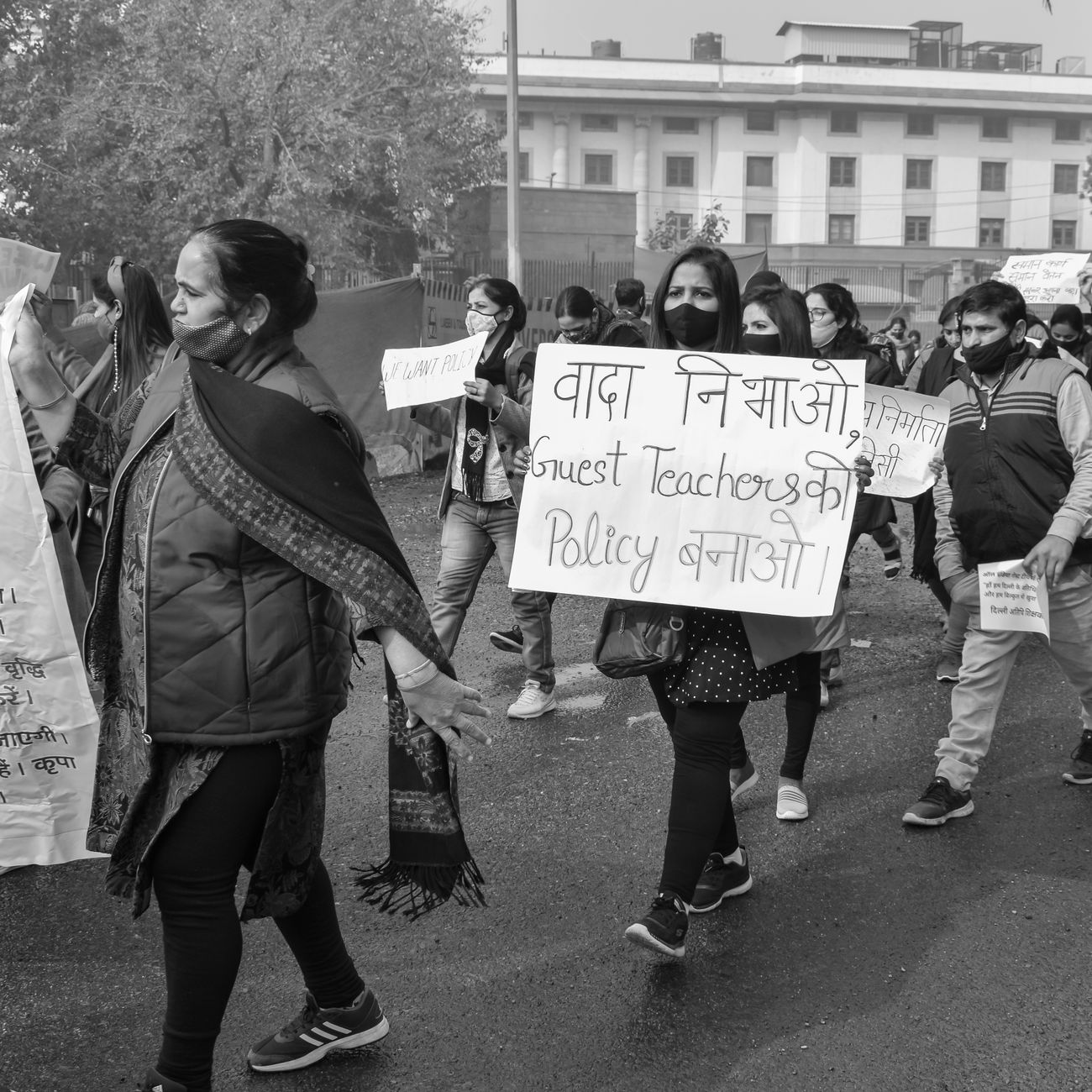
India's education sector has emerged as a critical talking point, with concerns about systemic weaknesses affecting millions of students across the country. From primary schools in rural areas to higher education institutions in urban centres, the challenges are multi-layered and demand urgent attention from policymakers, educators, and society at large.
The Scale of India's Education Challenge
India operates one of the world's largest education systems, with over 260 million students enrolled across various levels. While access to education has improved significantly since independence, the quality and outcomes remain concerning. The pandemic exposed and exacerbated existing fault lines, with prolonged school closures affecting learning trajectories for an entire generation.
Learning poverty—the inability of children to read and understand a simple text by age 10—affects a substantial portion of Indian students. Reports suggest that foundational literacy and numeracy skills are lacking among primary school students, creating a weak foundation for future learning. This crisis isn't limited to government schools; even private institutions face challenges in delivering meaningful educational outcomes.
Infrastructure and Resource Gaps
Physical infrastructure remains a significant barrier to quality education. Thousands of schools across India lack basic facilities including proper classrooms, functional toilets, drinking water, and electricity. Teacher shortages compound these problems, with many schools operating with inadequate staff-to-student ratios.
In rural and remote areas, the situation is particularly acute. Students often travel long distances to reach schools, and many institutions function with multi-grade teaching where one teacher manages multiple classes simultaneously. Digital infrastructure, which became crucial during the pandemic, remains inaccessible to vast sections of students from economically weaker backgrounds.
The Quality Crisis
Beyond access, the quality of education delivered raises serious questions. Rote learning continues to dominate pedagogy, with emphasis on memorisation rather than critical thinking and problem-solving skills. Examination systems reward reproduction of textbook content rather than genuine understanding or application of knowledge.
Teacher training programmes often fail to equip educators with modern pedagogical tools and techniques. Many teachers themselves lack adequate subject knowledge, particularly in subjects like mathematics and science. Regular assessments show that students progress to higher grades without mastering grade-appropriate competencies.
Inequity and Disparity
The education crisis affects different sections of society unequally. Children from marginalised communities, girls in certain regions, and students with disabilities face additional barriers. The gap between urban and rural educational outcomes continues to widen, creating a two-tier system where opportunities depend heavily on geographic and economic circumstances.
Private tuition has become almost mandatory for exam success, placing additional financial burden on families and highlighting the inability of regular schooling to adequately prepare students. This parallel education economy now constitutes a significant market, indicating systemic failure of formal education channels.
Higher Education Concerns
Universities and colleges face their own set of challenges. Outdated curricula, limited research orientation, and poor employability outcomes trouble higher education. Many graduates struggle to find suitable employment despite possessing degrees, pointing to a mismatch between what institutions teach and what the job market demands.
Academic autonomy, quality of faculty, and research output remain concerns for most institutions. Brain drain continues as talented students seek opportunities abroad, often not returning due to limited prospects domestically.
The Way Forward
Addressing India's education crisis requires comprehensive reforms across multiple dimensions:
- Increased and efficient public investment in education infrastructure
- Comprehensive teacher training and continuous professional development programmes
- Curriculum reforms emphasising critical thinking and practical application
- Strengthening foundational literacy and numeracy in early years
- Bridging digital divides and leveraging technology appropriately
- Regular learning assessments and remedial interventions
- Greater accountability and community participation in school governance
- Focus on vocational education and skill development aligned with industry needs
Political and Social Will
Transforming education requires sustained political commitment beyond electoral cycles. It demands recognising education not merely as a service sector but as fundamental to national development and social justice. Civil society, parents, and communities must actively engage with schools and hold systems accountable.
The trauma of disrupted education during the pandemic, coupled with long-standing systemic weaknesses, creates an urgent imperative for action. India's demographic dividend depends critically on whether young people receive education that equips them for meaningful participation in the economy and society.
Reform efforts must be evidence-based, adequately resourced, and implemented with clear timelines and accountability mechanisms. The future of millions of young Indians—and indeed the nation's development trajectory—hinges on how effectively the education system can be transformed.
This article provides general information about India's education sector challenges and is not intended as specific academic or career advice. Readers should consult appropriate educational counsellors and institutions for guidance specific to their circumstances.