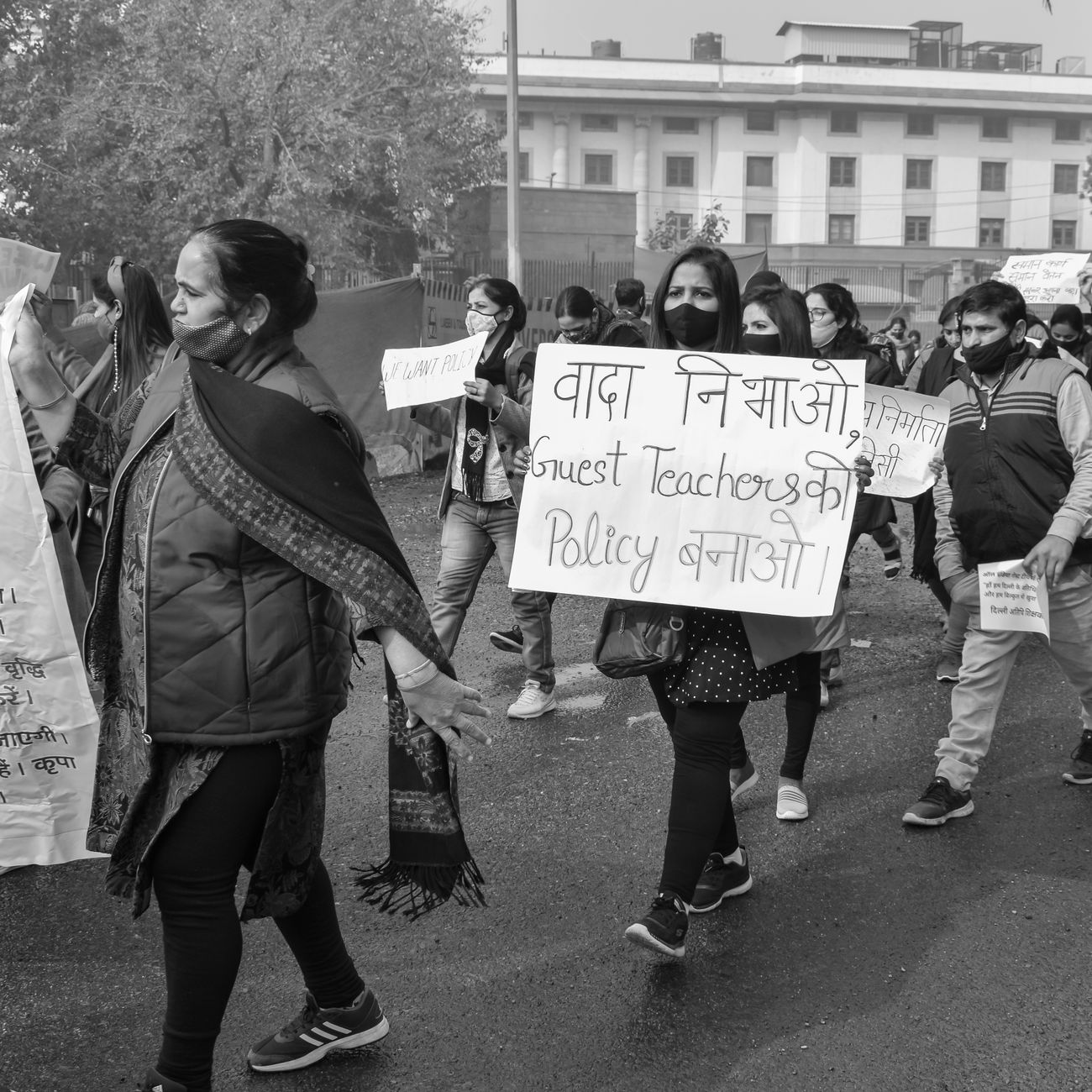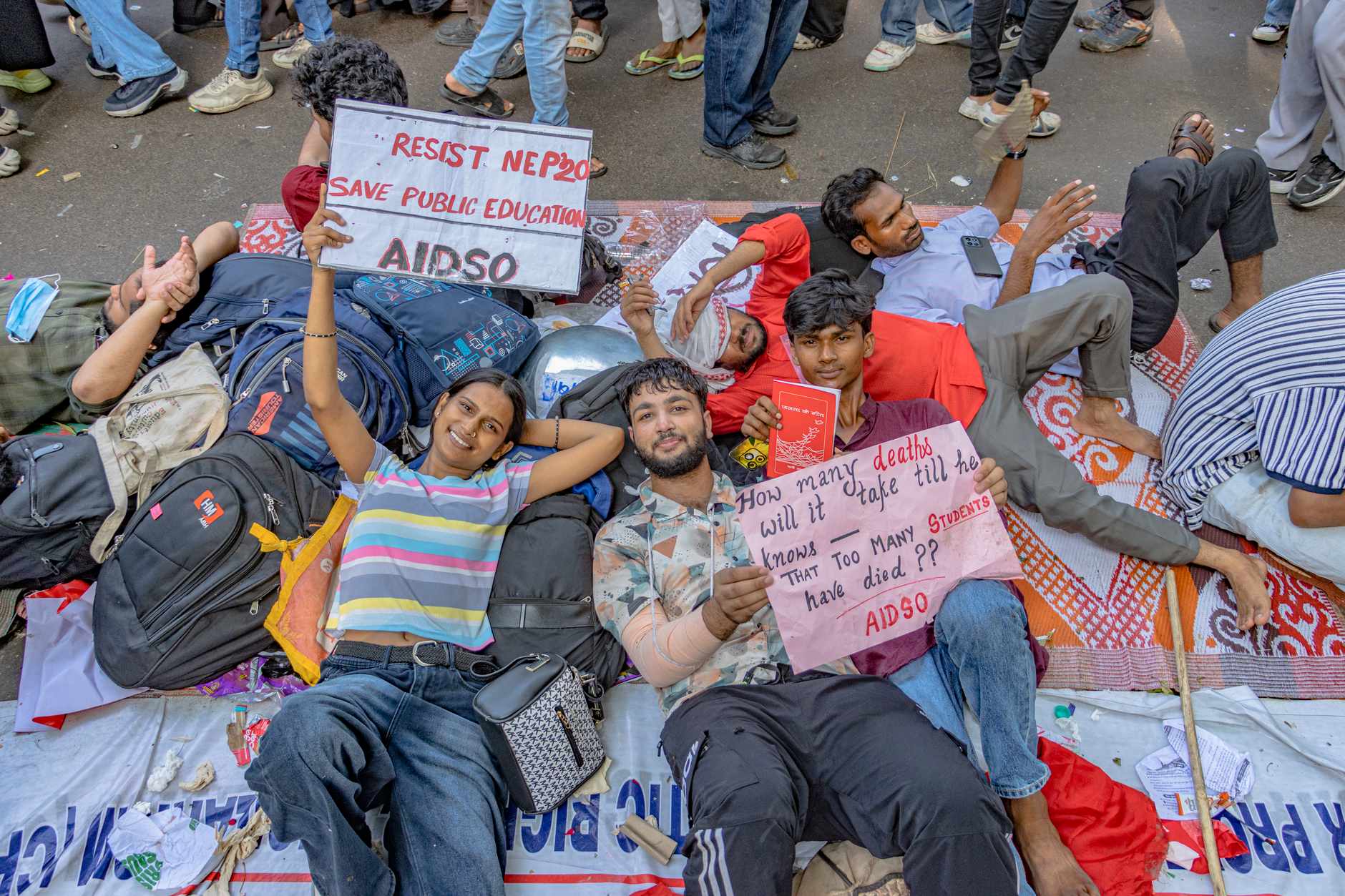
The recent wave of student protests across India took an unconventional turn when demonstrators incorporated cockroaches into their agitation strategy, capturing national and international attention. The movement, which began as a response to concerns over educational governance and alleged irregularities, concluded after securing a significant political outcome—the resignation of a prominent education minister.
What Triggered the Protests
Student unions and education activists initiated demonstrations following reports of systemic issues within India's education sector. The grievances centered on allegations of mismanagement, examination irregularities, corruption in appointments, and a perceived lack of accountability among education officials. Young people, particularly university and college students, felt their futures were being jeopardized by administrative failures and demanded immediate reforms.
The timing of these protests coincided with growing frustration over delayed examination results, questions about the integrity of recruitment processes for teaching positions, and concerns about the quality of education delivery across various states.
The Symbolic Use of Cockroaches
The protest earned its unusual moniker due to demonstrators' strategic use of cockroaches as a symbolic tool. In several instances, activists released cockroaches in government buildings or during public events to draw attention to what they termed the "infestation" of corruption and mismanagement in the education system.
This shock tactic was designed to create maximum media impact and force authorities to acknowledge student demands. The cockroach symbolism resonated with many who saw it as representing persistent problems that authorities had ignored for too long. While controversial, the method succeeded in generating widespread discussion about educational governance.
The Role of Chief Justice and Political Pressure
The involvement of judicial authorities and political figures, including references to the Chief Justice of India (CJP), indicates that the protests escalated beyond street demonstrations. Student groups likely filed public interest litigation or sought judicial intervention to address their concerns about educational administration.
Political pressure mounted from multiple directions as opposition parties seized upon student grievances to challenge the ruling administration. The convergence of street-level activism, judicial scrutiny, and political opposition created an environment where maintaining the status quo became untenable for those in positions of authority.
The Minister's Resignation
The resignation of Dharmendra Pradhan or another education minister represents a significant victory for the protest movement. Such high-level departures typically occur only when political calculations determine that retaining an official creates more damage than their removal.
The resignation serves multiple purposes in the political landscape. For students, it validates their activism and demonstrates that sustained pressure can yield results. For the government, it provides an opportunity to signal responsiveness to public concerns and potentially reset the narrative around education policy.
Implications for India's Education Sector
The successful conclusion of these protests carries several implications for India's educational landscape:
- Increased accountability expectations for education officials at all levels
- Greater willingness among students to engage in direct activism when institutional channels fail
- Potential policy reforms addressing examination integrity and recruitment transparency
- Enhanced scrutiny of education budgets and resource allocation
- Stronger student union involvement in governance discussions
The Broader Context of Student Activism
This movement fits within India's long tradition of student activism, which has historically played a crucial role in driving social and political change. From the pre-independence freedom struggle to contemporary movements addressing campus issues, students have consistently demonstrated their capacity to mobilize for causes affecting their interests.
The creative protest tactics reflect how modern activism adapts to capture attention in an era of information overload. Traditional marches and sloganeering, while still relevant, are increasingly supplemented by innovative approaches designed to generate viral moments and sustain media coverage.
Challenges Ahead
While the minister's resignation marks a tactical victory, systemic reforms in India's vast and complex education system require sustained effort beyond any single personnel change. The real test will be whether this moment catalyzes meaningful policy improvements or merely serves as a temporary pressure release.
Students and education advocates must now focus on ensuring that promises of reform translate into concrete actions. This includes monitoring appointment processes, demanding transparency in examinations, and holding new leadership accountable to the standards that prompted the protests.
The cockroach protests demonstrate that unconventional activism can still achieve political outcomes in contemporary India, provided movements maintain focus, build broad coalitions, and sustain pressure until demands are met.