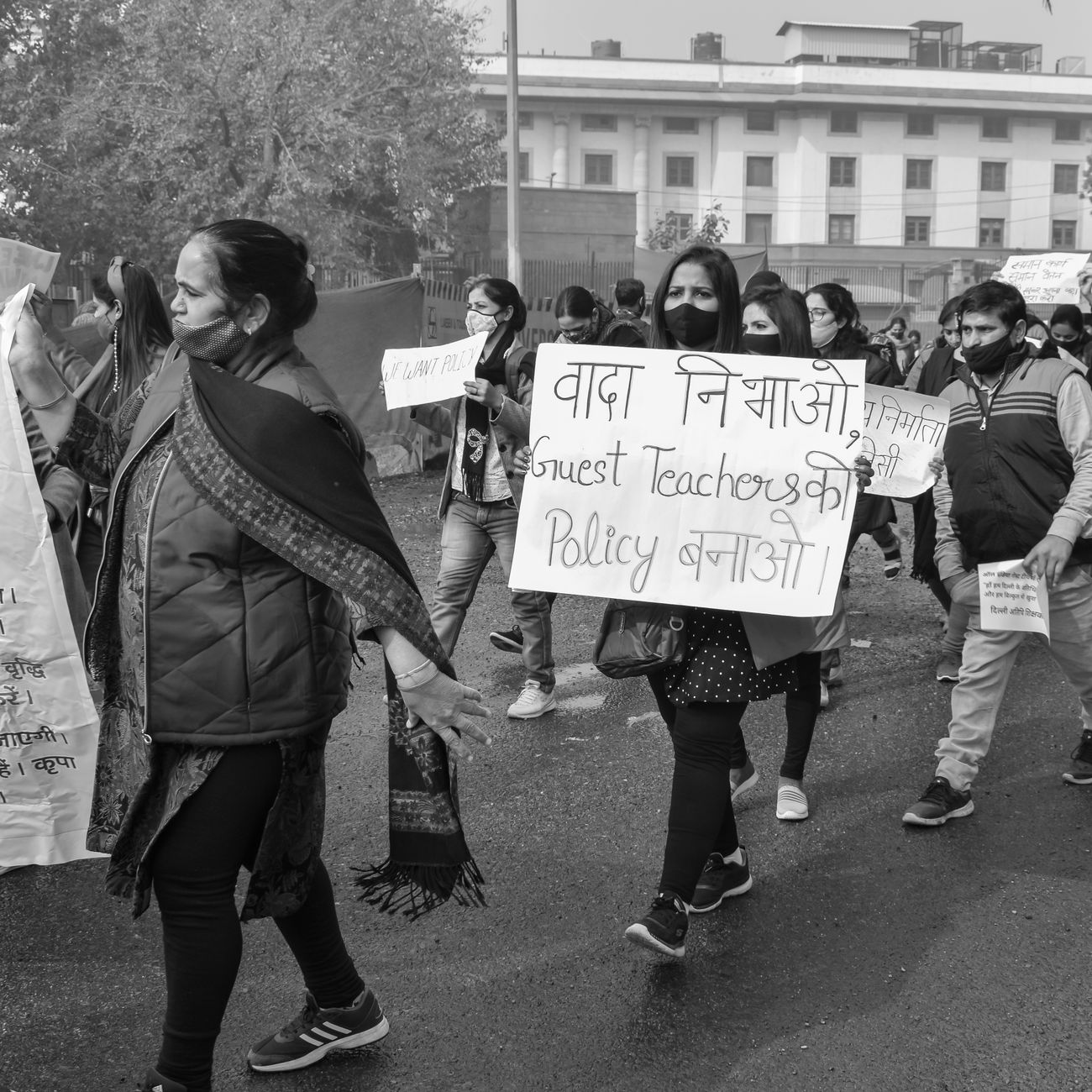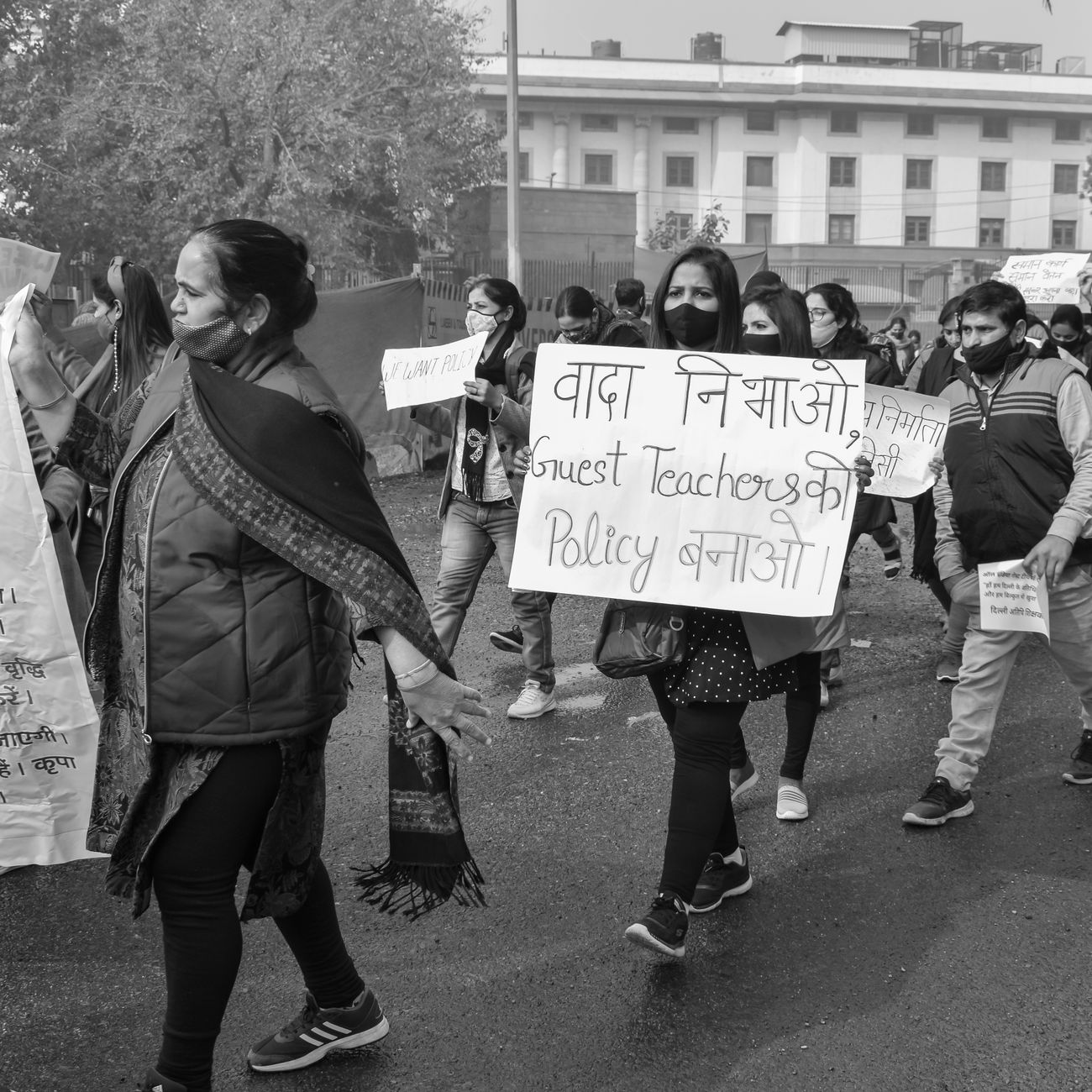
The recent wave of student protests across India has thrust the chronic problem of examination leaks into the national spotlight. After Prime Minister Narendra Modi publicly acknowledged the issue and promised action, questions remain about what concrete steps will follow and whether they will be sufficient to address the systemic failures plaguing India's examination ecosystem.
Understanding the Scale of the Problem
India's competitive examination system affects millions of students annually. From board exams like CBSE and state boards to competitive tests for medical, engineering, and civil services positions, these assessments determine educational and career trajectories. When examination integrity is compromised through leaks, paper theft, or answer key distribution before tests, the consequences ripple through society.
Recent incidents have exposed vulnerabilities at multiple levels. The National Eligibility cum Entrance Test (NEET) and various state-level examinations have faced allegations of paper leaks, with some cases involving organized rackets selling question papers and answers to aspirants willing to pay substantial sums. These incidents don't just disadvantage honest students but fundamentally undermine meritocracy.
Why Exam Leaks Keep Happening
Several structural weaknesses enable examination malpractice in India. The examination process involves numerous touchpoints where security can be breached, from paper-setting committees to printing facilities, storage centers, and distribution networks. Each node presents an opportunity for corruption.
The human element remains significant. Underpaid staff members, lack of stringent background checks, and inadequate security protocols create vulnerabilities. In some documented cases, coaching institutes have been implicated in obtaining leaked papers, sometimes through collusion with examination board employees.
Technology gaps also contribute. While digital systems could enhance security, many examination bodies still rely heavily on physical papers and manual processes that are easier to compromise.
What Modi's Promise Entails
The Prime Minister's acknowledgment represents political recognition of student grievances. His statement indicated government willingness to reform examination administration, though specific policy measures are still emerging. The promise has raised expectations for systemic overhaul rather than reactive responses to individual incidents.
Student organizations and education activists have emphasized that past assurances have yielded limited results. They're demanding accountability for officials under whose watch leaks occurred, compensation mechanisms for affected students, and most importantly, preventive measures to ensure future examination integrity.
Potential Reforms on the Horizon
Several reform pathways could address examination security comprehensively. Enhanced digital infrastructure including question bank systems that generate unique paper combinations could reduce leak risks. Blockchain technology for maintaining examination records offers tamper-proof documentation.
Institutional reforms might include establishment of independent examination security agencies with professional staff specifically trained in maintaining test integrity. Background verification and rotation of personnel involved in sensitive examination processes could minimize insider threats.
Legal frameworks also need strengthening. Making examination malpractice a cognizable offense with severe penalties could deter potential offenders. Fast-track courts for trying exam-related cases would ensure swift justice.
The Student Perspective
For millions of Indian students, these examinations represent make-or-break moments. The country's limited seats in prestigious institutions and competitive job market mean that examination results directly impact lifetime earning potential and social mobility.
When leaks occur, students who prepared honestly feel cheated. Those who can afford leaked papers gain unfair advantages, perpetuating inequality. The psychological toll on sincere students who lose opportunities to malpractice is substantial, breeding cynicism about institutional fairness.
Implementation Challenges Ahead
Translating promises into action faces significant hurdles. India's examination system is decentralized, with central, state, and various professional bodies conducting separate tests. Coordinating reforms across these entities requires unprecedented cooperation.
Resource constraints pose another challenge. Upgrading security infrastructure, training personnel, and implementing technological solutions demand substantial investment. Budget allocations for education often fall short of requirements.
Resistance from entrenched interests shouldn't be underestimated. Those benefiting from current loopholes may obstruct reforms. Political will needs to be sustained beyond initial announcements.
What Students Should Watch For
Concrete indicators of genuine reform include formation of expert committees with defined timelines, budget allocations in upcoming government financial statements, and pilot programs testing new security measures. Transparency in investigation of past leaks and prosecution of guilty parties will signal seriousness.
Students should remain engaged through their unions and associations, maintaining pressure for accountability. Constructive dialogue with examination authorities while documenting ongoing issues helps build the case for continued reform.
The coming months will reveal whether Modi's promise translates into meaningful change or remains symbolic. For India's students, the stakes couldn't be higher—their futures depend on examinations that reward merit, not money or connections.