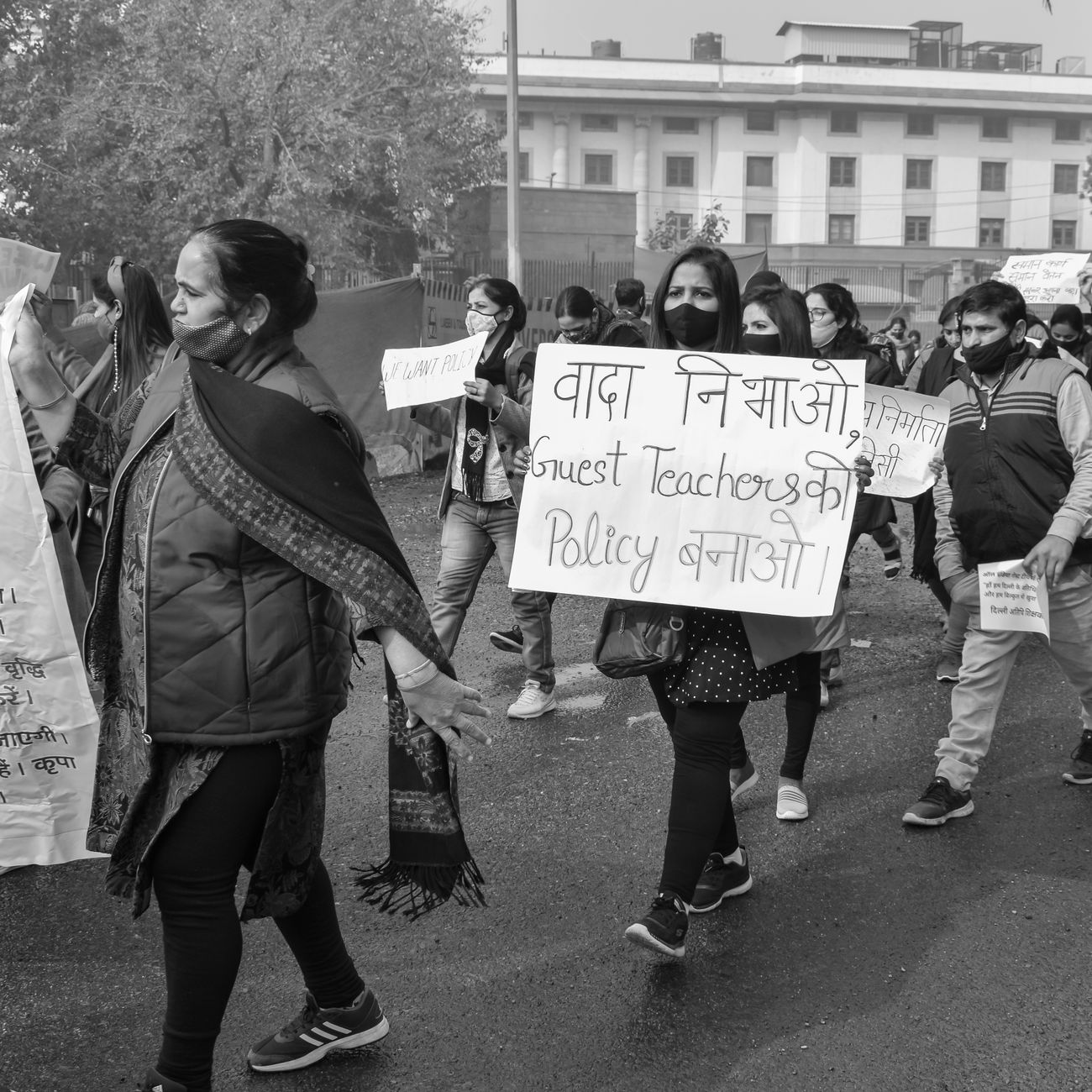
The resignation of a national education minister is a rare occurrence in Indian politics, making recent celebrations by protesters across the country all the more significant. Understanding what led to this moment requires examining the broader challenges facing India's education system and the specific controversies that have fueled public discontent.
The Education Minister's Role in India
India's education minister oversees one of the world's largest education systems, serving over 250 million students from primary schools to universities. The position carries enormous responsibility, including implementing the National Education Policy, managing central universities, coordinating with state education departments, and overseeing critical examinations like the National Eligibility cum Entrance Test (NEET) and Joint Entrance Examination (JEE).
The ministry also manages substantial budgets, regulates educational standards, and addresses systemic challenges like infrastructure gaps, teacher shortages, and quality concerns. Any perceived failure in these areas can quickly become a flashpoint for public anger.
Common Triggers for Education Protests in India
Education-related protests in India typically stem from several recurring issues:
- Examination irregularities, paper leaks, or administrative failures affecting millions of students
- Delays in implementing promised educational reforms or scholarship programs
- Controversies over curriculum changes or textbook content
- Fee hikes in central universities without corresponding improvements
- Inadequate response to student safety concerns on campuses
- Mismanagement of entrance examinations for professional courses
- Poor handling of teacher recruitment processes or delays in appointments
When students, parents, and educators unite in protest, the political pressure can become insurmountable.
The Impact of Exam Irregularities
One of the most sensitive areas in Indian education is competitive examinations. With millions of students competing for limited seats in premier institutions, any hint of unfairness triggers immediate outrage. Paper leaks, for instance, not only disadvantage honest students but also undermine the entire merit-based system that India's education framework claims to uphold.
Recent years have seen multiple instances of examination controversies, from irregularities in medical entrance tests to problems with undergraduate admissions. Each incident erodes public trust and places immense pressure on the education ministry to ensure transparency and accountability.
Student Activism and Social Media
Today's student protesters are more organized and vocal than ever before, leveraging social media platforms to mobilize support and amplify their demands. Hashtags can trend nationwide within hours, videos of protests go viral instantly, and public opinion can shift dramatically based on how authorities respond to legitimate grievances.
This digital dimension means education ministers face unprecedented scrutiny. A single misstep or insensitive comment can be captured, shared, and used to fuel broader movements demanding accountability.
What Resignation Means for Education Policy
When an education minister resigns under pressure, it creates both opportunities and uncertainties. On one hand, it demonstrates that public protest can hold officials accountable and potentially leads to fresh leadership with new approaches to persistent problems. Students and educators may see it as validation of their concerns.
On the other hand, ministerial transitions can delay ongoing reforms, create policy uncertainty, and sometimes result in merely cosmetic changes rather than addressing root causes. The real test lies in whether the successor ministry implements meaningful reforms or simply manages crises better.
Broader Implications for Governance
Education minister resignations reflect larger questions about governance and accountability in India's education sector. They highlight the need for:
- Robust systems that prevent examination irregularities before they occur
- Transparent communication channels between policymakers and stakeholders
- Swift accountability when administrators fail in their duties
- Student representation in education policy decisions
- Better coordination between central and state education authorities
The Path Forward
For India's education system to truly improve, leadership changes must be accompanied by structural reforms. This includes investing in examination security infrastructure, improving teacher training and recruitment, modernizing curriculum development processes, and ensuring adequate funding reaches schools and universities.
Celebrating a minister's resignation may provide temporary satisfaction to protesters, but lasting change requires sustained engagement from all stakeholders—students, teachers, parents, administrators, and policymakers—to build an education system that genuinely serves India's youth.
The resignation also serves as a reminder that in a democracy, public officials remain accountable to the citizens they serve, and when that accountability fails, popular protest remains a powerful tool for demanding change.
This article is for general informational purposes only and does not constitute political advice or analysis. Readers should consult multiple news sources for comprehensive coverage of current political developments.