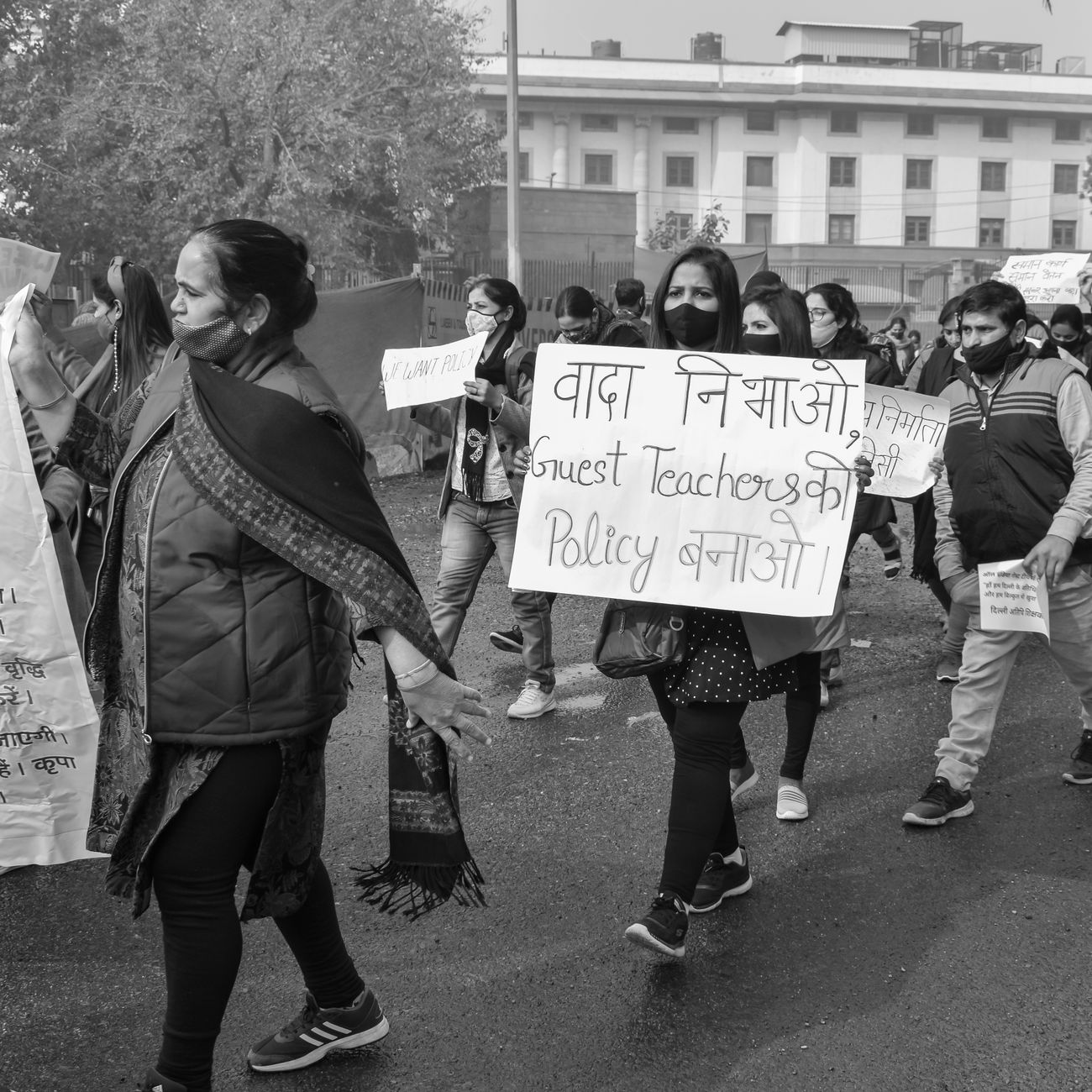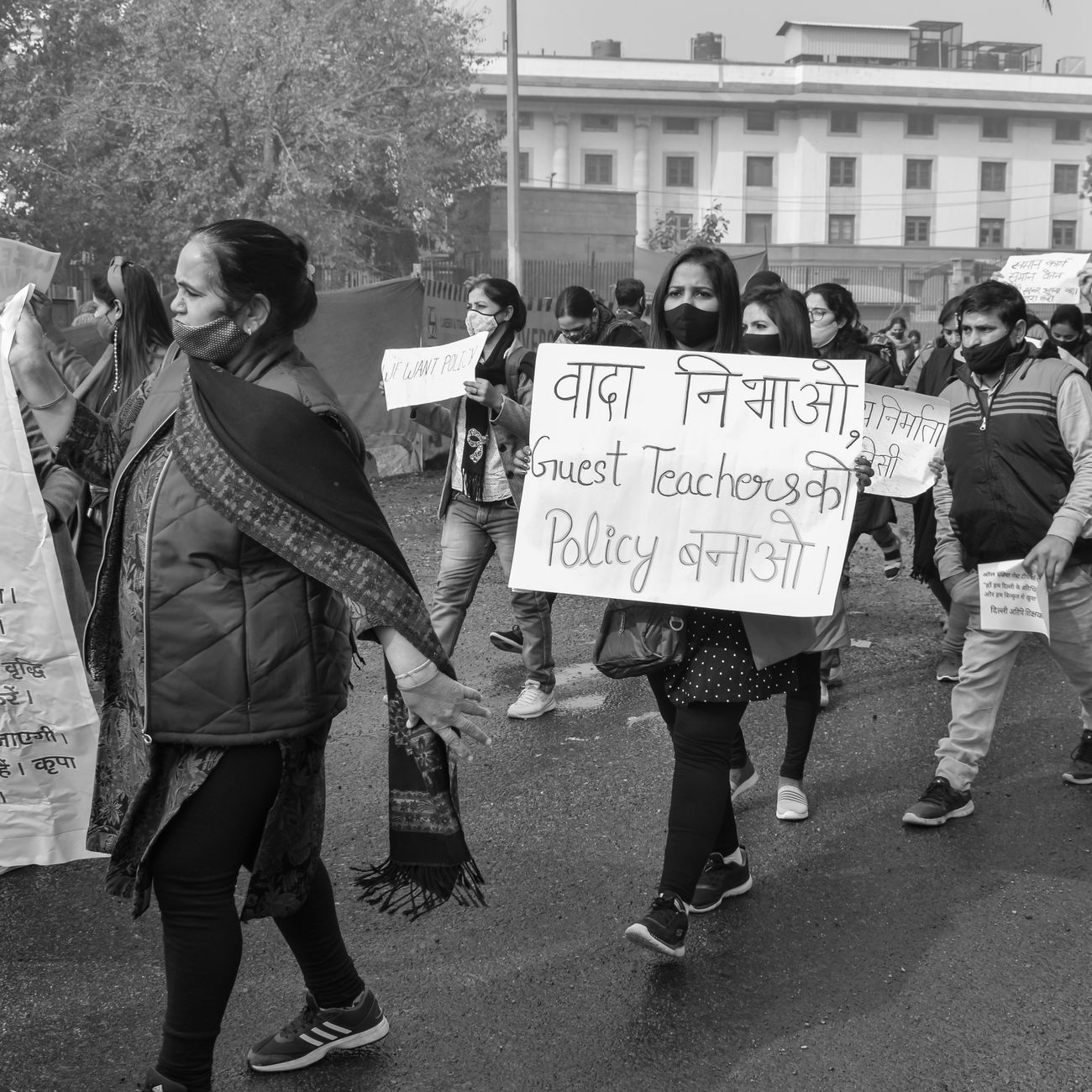
Political resignations following public protests are not uncommon in democratic nations, and India's parliamentary system provides several mechanisms through which public pressure can influence government composition. When cabinet ministers face sustained criticism or protests, the political calculus often leads to personnel changes to restore public confidence.
The Role of Education Ministers in India
India's education minister oversees one of the world's largest education systems, serving over 250 million students across schools and universities. The portfolio includes responsibilities for policy formulation, curriculum development, educational infrastructure, and implementation of nationwide schemes like the National Education Policy. Given the scope of this responsibility, education ministers frequently find themselves at the center of public debates about educational quality, accessibility, and reform.
The position requires balancing diverse stakeholder interests including students, parents, educators, state governments, and various political groups. Any perceived failures in educational outcomes or controversial policy decisions can quickly become lightning rods for public discontent.
How Political Protests Influence Government Decisions
Democratic protests serve as a crucial feedback mechanism in India's political system. When specific groups organize demonstrations against government officials or policies, they create pressure through several channels:
- Media coverage amplifies grievances and brings issues to national attention
- Opposition parties often leverage protests to challenge the ruling government
- Social media mobilization can rapidly expand protest movements
- Sustained demonstrations can affect the government's public image and electoral prospects
Political parties constantly assess whether retaining a minister under fire serves their broader interests. When protests gain momentum, the political cost of maintaining the status quo sometimes exceeds the cost of accepting a resignation.
The Dynamics of Coalition Politics
India's political landscape often features coalition governments or situations where even majority parties must consider alliance partners and diverse voter bases. This creates additional complexity in ministerial appointments and removals. A minister facing protests from one constituency group may receive support from others, creating difficult political trade-offs.
Regional parties and special interest groups can exert significant influence on national politics, particularly when their support is crucial for government stability. Demonstrations organized by such groups carry additional weight because they may represent broader political calculations beyond the immediate grievance.
Educational Grievances and Public Mobilization
Education-related protests in India have historically centered on several recurring themes:
- Examination system reforms and paper leak scandals
- Reservation policies and quota systems
- Language of instruction debates
- Privatization concerns and fee structures
- Curriculum content and ideological disputes
- Teacher recruitment and employment terms
These issues can rapidly mobilize large student populations and their families. When combined with political organization, educational grievances can generate substantial pressure on government officials.
Accountability and Democratic Response
Ministerial resignations following protests represent one form of democratic accountability. They signal government responsiveness to public concerns, though critics sometimes argue they allow officials to avoid deeper accountability measures. The resignation itself doesn't necessarily resolve underlying policy disputes but can serve as a political reset allowing new leadership to address concerns with a fresh approach.
The effectiveness of protests in achieving substantive change varies considerably. Some resignations lead to meaningful policy reforms, while others result primarily in personnel changes without addressing root causes.
The Broader Context of Educational Reform
India's education sector faces numerous challenges including quality disparities between urban and rural areas, infrastructure gaps, teacher shortages, and debates about modernizing curriculum while preserving cultural values. Any education minister necessarily confronts these longstanding issues while trying to implement reforms that satisfy diverse stakeholders.
Political transitions in the education ministry can disrupt reform momentum but also provide opportunities for course corrections. The incoming minister typically reassesses policies and may adjust approaches based on the circumstances that led to their predecessor's departure.
Impact on Policy Continuity
Frequent ministerial changes can complicate long-term educational planning. Major reforms like the National Education Policy require sustained implementation over many years. Leadership transitions may slow this process as new ministers establish their priorities and teams. However, India's administrative structure includes permanent civil servants who maintain institutional knowledge and policy continuity across political changes.
This article is for general informational purposes only and does not constitute political advice or commentary on specific individuals or events. Readers should consult multiple news sources for complete information about current political developments.