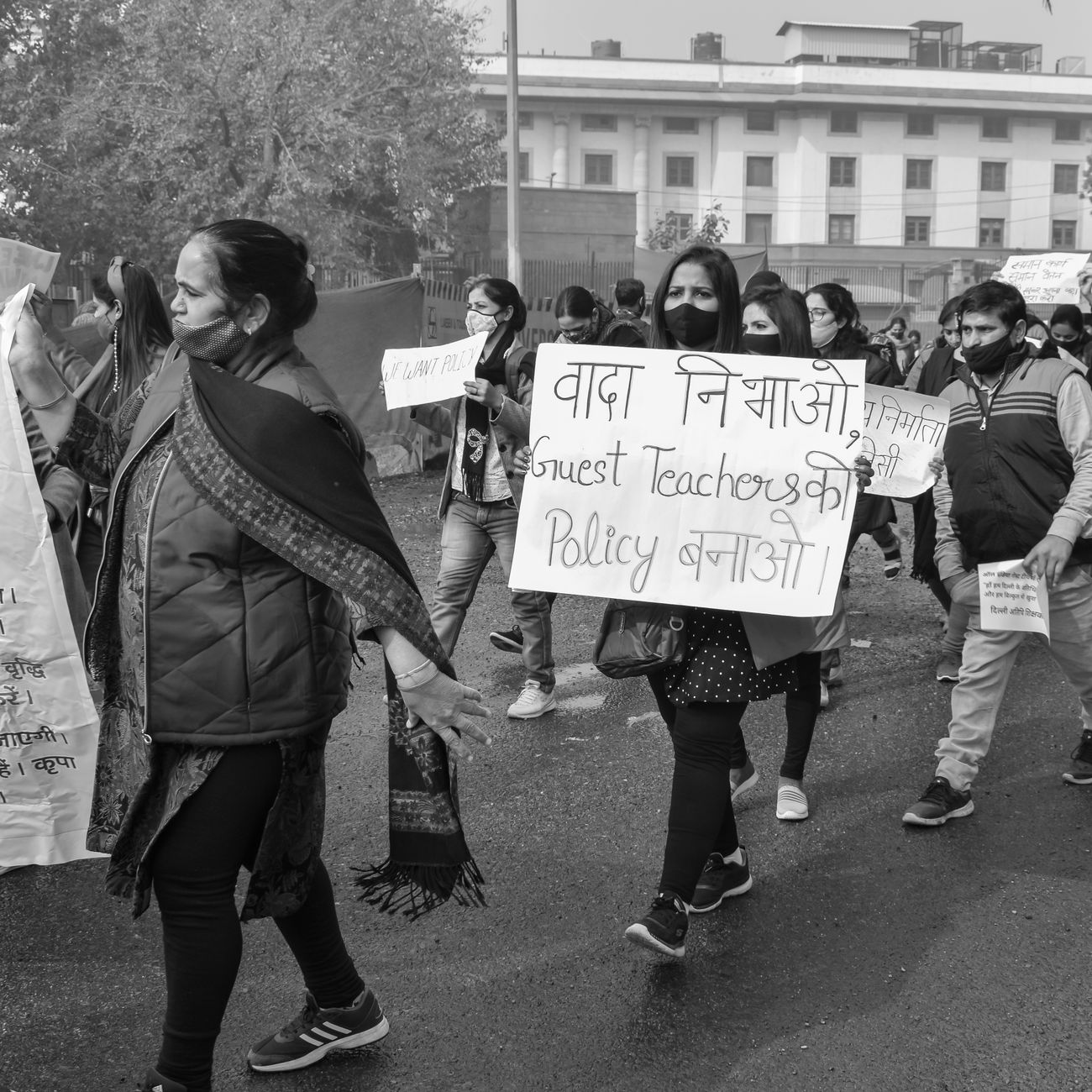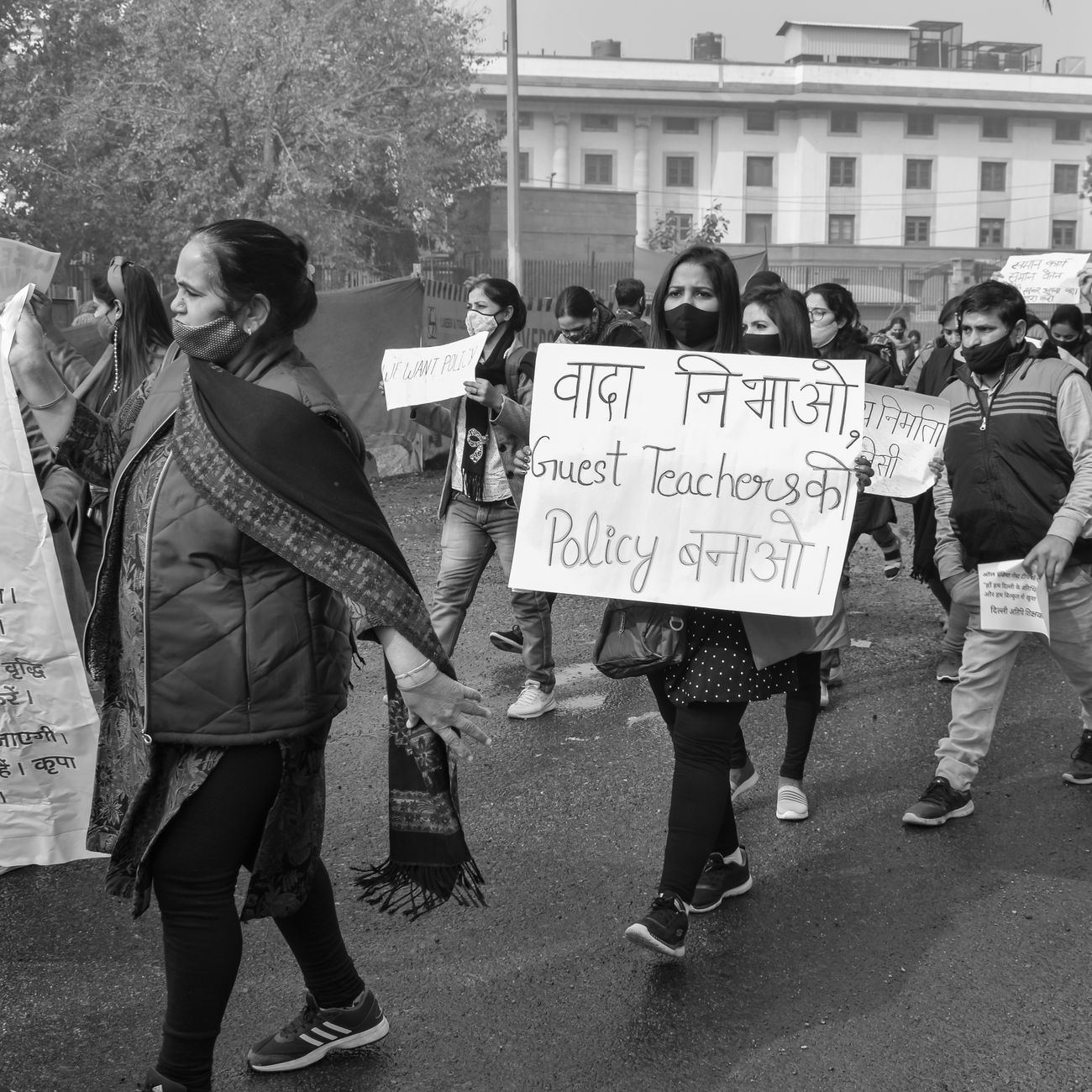
India's democracy, the world's largest, has long been celebrated for its vibrancy and citizen participation. Yet in recent years, concerns about institutional erosion, restricted freedoms, and limited avenues for dissent have prompted questions about the health of democratic processes. Enter an unexpected catalyst for change: student movements that have demonstrated remarkable resilience and staying power, earning them the metaphorical label of being as persistent as cockroaches.
The Rise of Campus Activism
Student protests have a storied history in India, from the independence movement to the Emergency period of the 1970s. Today's generation of students is reviving this tradition, mobilizing around issues ranging from fee hikes and scholarship cuts to concerns about academic freedom and campus autonomy. What distinguishes current movements is their decentralized nature and ability to sustain momentum despite administrative pushback.
Universities across India have witnessed unprecedented levels of student organizing. These movements often begin with campus-specific grievances but quickly evolve to address broader systemic issues affecting education quality, access, and affordability. Students are increasingly viewing their campus struggles as connected to larger questions of social justice, employment opportunities, and democratic rights.
Why Education Became a Flashpoint
India's education sector faces multiple challenges that have fueled student discontent. Rising costs have made higher education increasingly inaccessible to students from marginalized communities, even as job prospects for graduates have become uncertain. Scholarship programs that once provided crucial support have faced funding cuts, forcing many students to drop out or take on crushing debt.
- Declining public investment in education has shifted costs to students and families
- Campus infrastructure and teaching quality have deteriorated at many institutions
- Administrative decisions are often made without meaningful student consultation
- Concerns about ideological interference in curriculum and research have grown
- Placement rates and employment outcomes have not kept pace with enrollment growth
These material concerns provide fertile ground for organizing, as students directly experience the consequences of policy decisions that affect their futures.
Democratic Participation Through Protest
What makes these movements significant for India's democracy is how they function as schools for civic participation. Students learn organizing skills, coalition-building, and peaceful resistance. They develop political consciousness and understand how to articulate demands, negotiate with authorities, and build public support.
The protests have also created new spaces for dialogue across traditional social divisions. Students from different backgrounds, regions, and ideological perspectives find common cause in defending educational access and institutional autonomy. This bridging function is particularly valuable in a diverse society where polarization often dominates public discourse.
Challenges and Resilience
Student movements face significant obstacles, including administrative crackdowns, political pressure, and media misrepresentation. Activists have sometimes faced disciplinary action, police cases, or difficulty securing employment. Yet the movements persist, adapting tactics and finding new ways to press their demands.
Digital tools have played a crucial role in sustaining these efforts. Social media enables rapid mobilization, documentation of events, and direct communication with supporters. Online networks help movements coordinate across campuses and maintain momentum even when physical gatherings are restricted.
Broader Implications for Democracy
The persistence of student movements carries implications beyond campus boundaries. They demonstrate that democratic participation remains vibrant at the grassroots level, even when formal institutions face challenges. Young people are claiming their stake in shaping policies that affect their lives, refusing to accept decisions made without their input.
These movements also serve a watchdog function, drawing attention to governance failures and demanding accountability. By making education policy a subject of public debate, students bring expertise and lived experience to discussions often dominated by bureaucrats and politicians.
The Path Forward
Whether student activism can translate into lasting institutional change remains an open question. Success requires not just passionate protests but sustained organizing, strategic thinking, and building alliances with other social movements. Students must balance immediate demands with longer-term visions for educational and democratic reform.
What seems certain is that a generation of young Indians has gained firsthand experience in democratic participation. These students understand that rights must be actively defended and that change requires collective action. Whatever their immediate outcomes, current movements are shaping a cohort of citizens equipped to engage critically with institutions and demand accountability from those in power.
The cockroach metaphor, while perhaps unflattering, captures something essential about these movements: their remarkable ability to persist in challenging environments, to adapt and survive, and to continue pressing for change despite obstacles. In doing so, they remind us that democracy's health depends not just on formal structures but on citizens willing to participate, question, and organize for a better future.