Nelson Mandela's famous declaration that "education is the most powerful weapon which you can use to change the world" resonates deeply with India's ongoing struggle to reform its education system. As the nation grapples with challenges ranging from learning outcomes to equity in access, Mandela's philosophy offers valuable insights that could guide meaningful transformation.
The State of Indian Education Today
India's education landscape presents a paradox. While the country has made significant strides in enrollment rates, with nearly universal primary school access, the quality of learning remains inconsistent. The Annual Status of Education Report (ASER) consistently reveals concerning gaps in foundational literacy and numeracy skills among students. Dropout rates increase sharply at secondary levels, particularly among marginalized communities, and the urban-rural divide in educational quality persists.
The system also faces challenges of rote learning, outdated curricula, and inadequate teacher training. Despite policy initiatives like the National Education Policy 2020, implementation remains uneven across states and districts.
Mandela's Core Educational Principles
Mandela's approach to education was shaped by his own experiences of discrimination under apartheid and his belief in education as a fundamental human right. His key principles included:
- Education as an equalizer that breaks cycles of poverty and oppression
- Universal access regardless of race, class, gender, or geography
- Quality education that develops critical thinking, not mere literacy
- Education for character building and citizenship, not just employment
- The teacher as a transformative figure deserving respect and support
Applying Mandela's Vision to Indian Challenges
### Bridging the Equity Gap
Mandela fought against systemic exclusion, and India faces similar challenges with marginalized communities. Scheduled Castes, Scheduled Tribes, and economically disadvantaged groups still experience lower enrollment and higher dropout rates. Mandela's insistence on education as a right, not a privilege, suggests India must strengthen targeted interventions like scholarship programs, midday meals, and residential schools for tribal communities.
The gender gap in education, though narrowing, persists in rural areas and certain states. Mandela's commitment to equality demands renewed focus on girls' education through safe school infrastructure, female teachers as role models, and community awareness programs.
### Quality Over Quantity
Mandela valued education that liberates minds, not just produces certificates. India's emphasis on examination results often comes at the expense of genuine understanding and creativity. Shifting focus to conceptual learning, critical thinking, and problem-solving skills aligns with Mandela's vision.
The National Education Policy's emphasis on holistic development, multidisciplinary learning, and reduced curriculum load reflects this philosophy. However, effective implementation requires teacher retraining, updated assessment methods, and parental understanding of these changes.
### Investing in Teachers
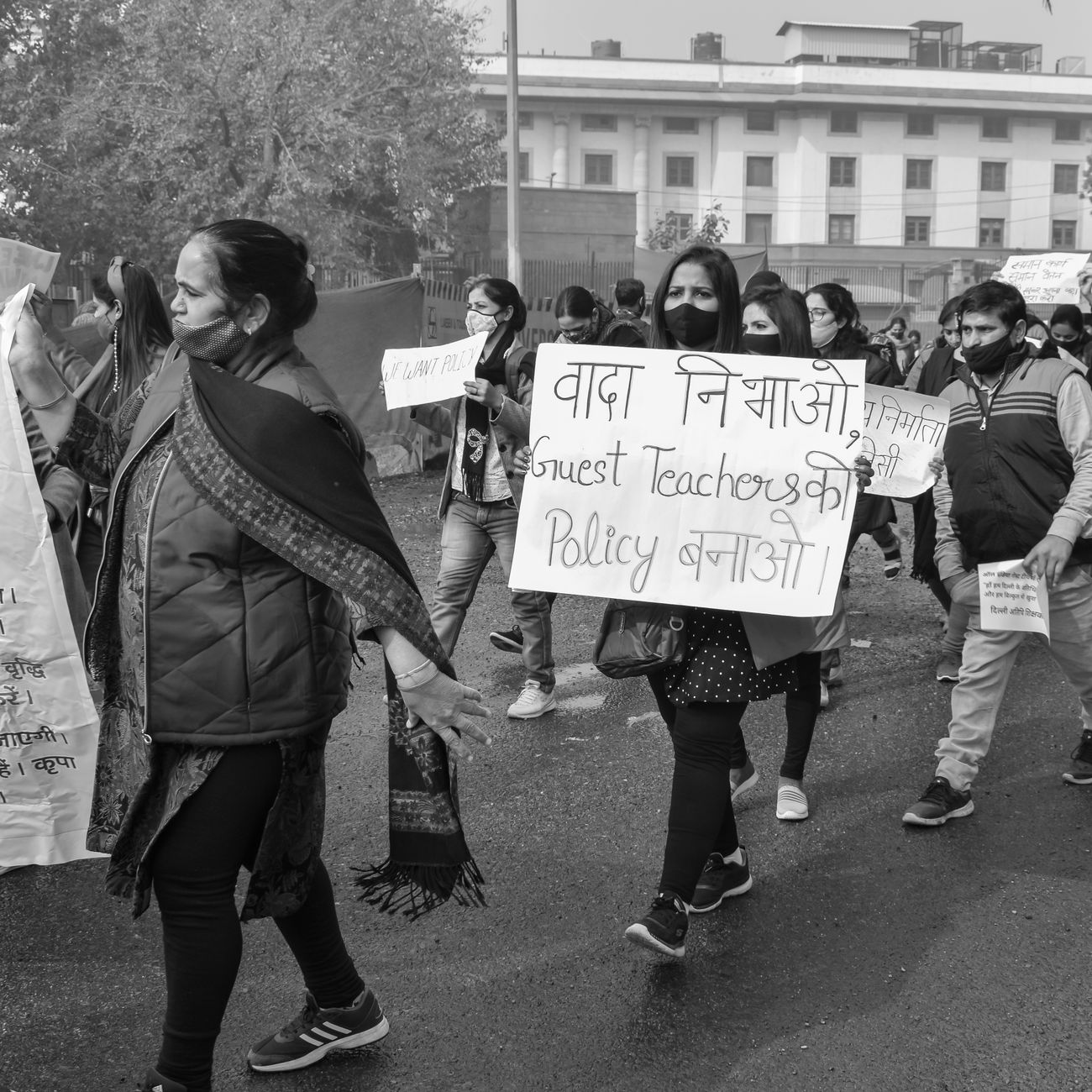
Mandela recognized teachers as nation-builders. In India, while teachers are numerous, many lack adequate training, resources, and motivation. Low morale often stems from administrative burdens, poor infrastructure, and limited professional development opportunities.
Elevating the teaching profession through better compensation, continuous training programs, reduced non-teaching duties, and technology integration could transform educational outcomes. States like Kerala and Himachal Pradesh demonstrate how teacher empowerment correlates with better student performance.
Technology and Inclusivity
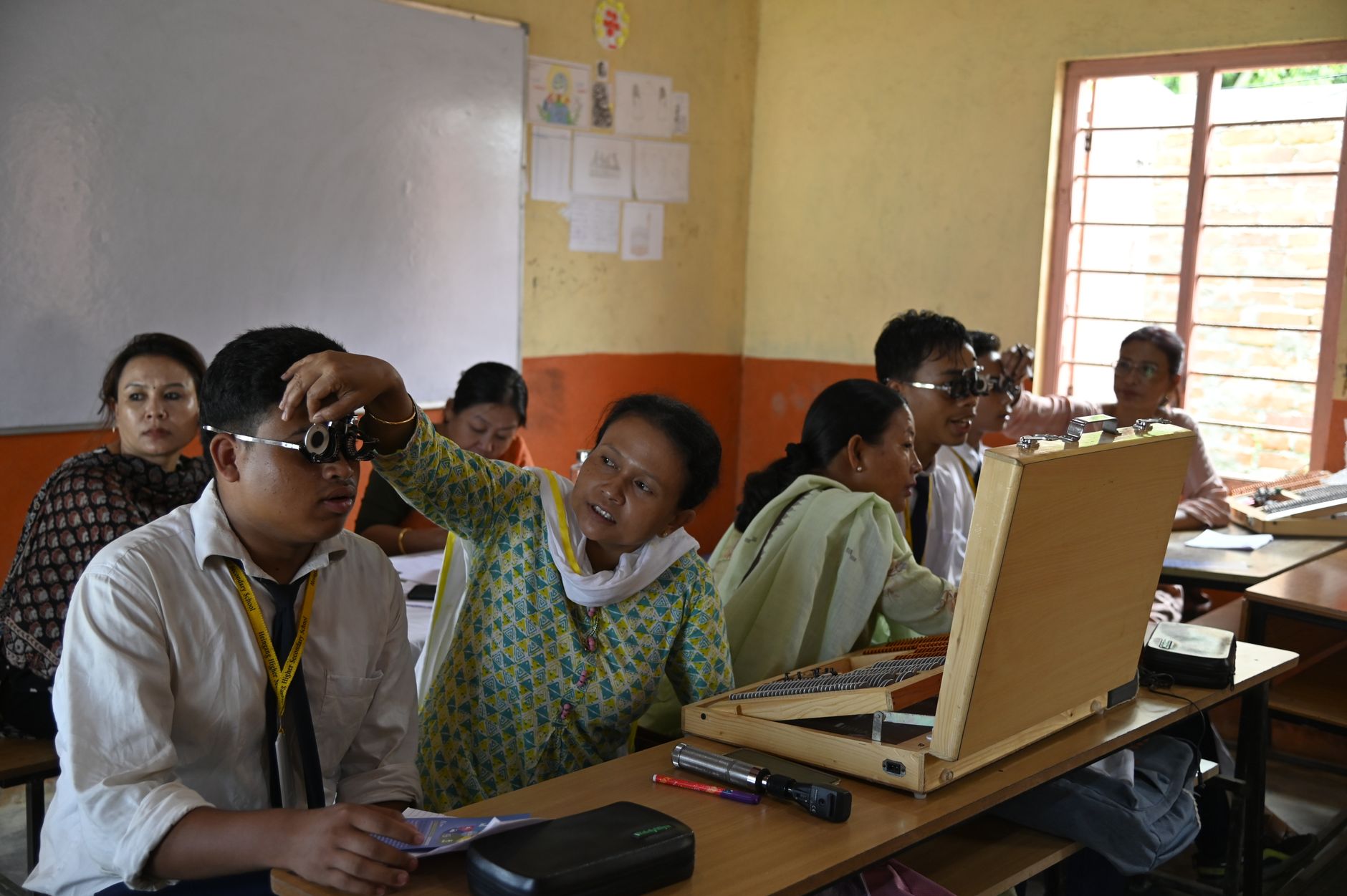
While Mandela didn't live in the digital age, his principle of accessibility aligns with using technology to reach underserved populations. India's digital education initiatives, accelerated during the pandemic, show promise but also reveal the digital divide. Ensuring internet connectivity, affordable devices, and digital literacy for all students and teachers remains crucial.
Education for Citizenship
Mandela viewed education as essential for creating responsible, empathetic citizens. India's education system sometimes overemphasizes career preparation at the expense of civic education, environmental awareness, and social responsibility. Integrating value education, constitutional literacy, and community service into curricula could nurture well-rounded citizens.
Moving Forward
Implementing Mandela's vision requires:
- Increased public investment in education, particularly in infrastructure and teacher development
- Accountability mechanisms that measure actual learning, not just enrollment
- Community participation in school governance and monitoring
- Addressing malnutrition and health issues that impede learning
- Creating pathways beyond traditional academics for vocational and skill-based education
The challenges facing Indian education are complex and deeply rooted, but Mandela's life demonstrates that transformative change is possible through sustained commitment to equality, quality, and accessibility. His words remind us that education isn't merely about economic growth—it's about human dignity, social justice, and national progress.
As India aspires to become a developed nation by 2047, ensuring every child receives quality education regardless of background isn't just Mandela's wisdom—it's the nation's imperative.