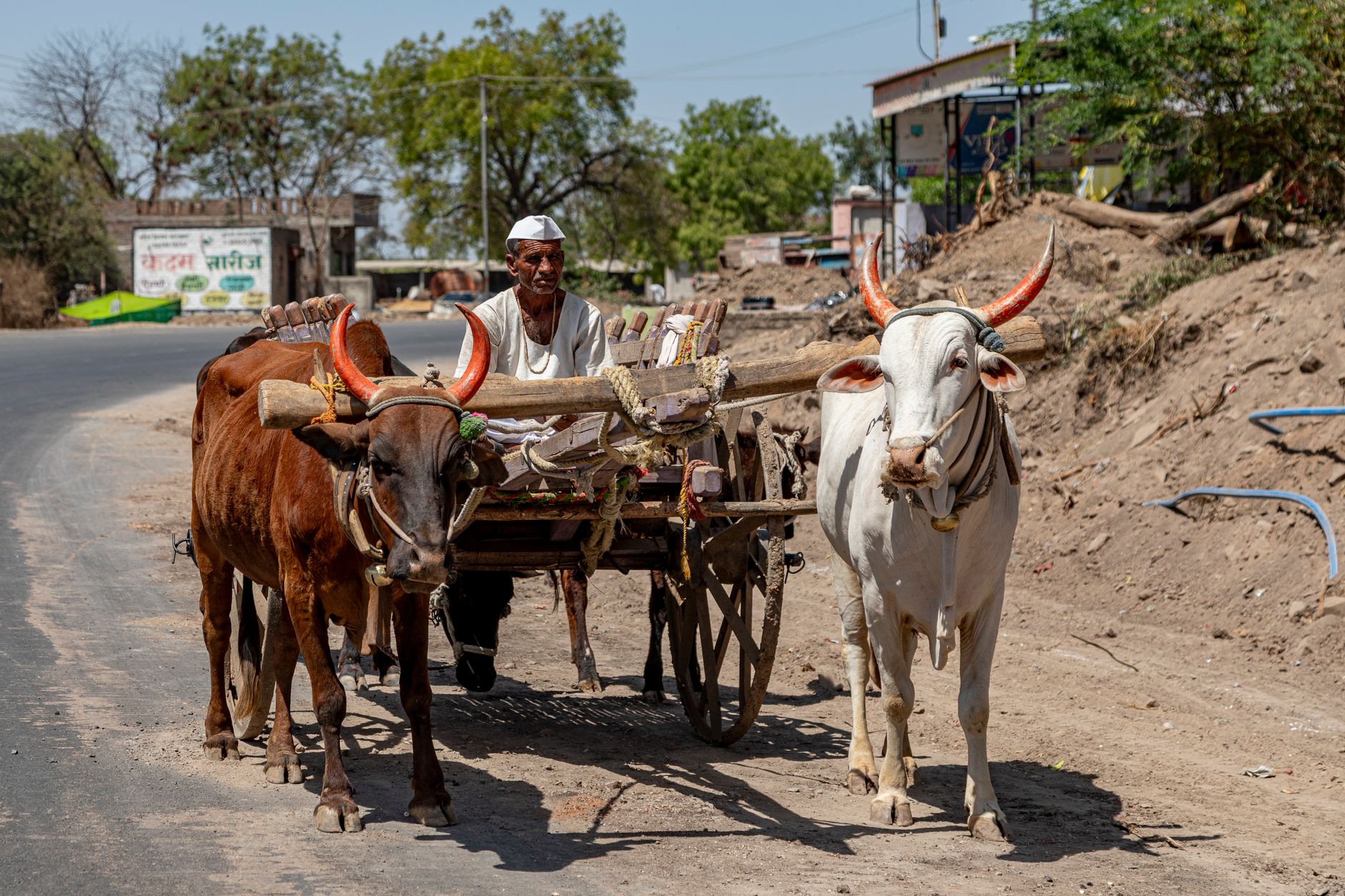
In the annals of India's technological evolution, few images capture the essence of the country's modernization journey quite like a bullock cart carrying a computer through rural roads. This remarkable episode from the 1980s represents a pivotal moment when India took its first serious steps toward computer education, bridging the gap between traditional society and the digital age.
The Dawn of Computer Education in India
During the early 1980s, computers were exotic machines confined to research institutions, defense establishments, and a handful of universities. The vast majority of Indians had never seen a computer, let alone understood its potential to transform education and society. Recognizing this gap, the Indian government and educational institutions began exploring ways to introduce computer literacy to students across the country.
The initiative to bring computers into schools faced numerous challenges. Infrastructure limitations, lack of electricity in many areas, absence of trained teachers, and the prohibitive cost of importing technology made the task seem almost impossible. Yet, determined educators and policymakers pressed forward, understanding that computer literacy would be essential for India's youth in the coming decades.
The Iconic Journey
The bullock cart journey symbolizes the practical challenges of implementing technological education in a developing nation. When computers destined for schools arrived in towns and villages that lacked proper roads or modern transportation, local communities had to improvise. Traditional bullock carts, which had transported goods for centuries, suddenly found themselves carrying sophisticated electronic equipment.
This juxtaposition was not merely practical but deeply symbolic. It represented India's unique position as a nation straddling two worlds—ancient traditions and modern aspirations. The bullock cart, moving at its gentle pace through dusty village roads, carried not just a machine but the promise of a transformed future for rural children.
Overcoming Infrastructure Challenges
The physical transportation of computers was just one obstacle among many. Schools receiving these machines often lacked stable electricity supply, requiring the installation of generators or voltage stabilizers. Dust, heat, and humidity threatened the delicate electronic components designed for climate-controlled environments.
Teachers needed training to operate and maintain these machines, often traveling to distant cities for workshops. Curriculum had to be developed from scratch, as there were no established frameworks for teaching computer science at the school level in India. The programming languages and concepts had to be simplified and made relevant to Indian contexts.
Impact on Educational Philosophy
The introduction of computers to Indian schools represented more than just adding a new subject to the curriculum. It challenged traditional rote-learning methods and encouraged problem-solving, logical thinking, and creativity. Students began to see education as dynamic rather than static, with technology offering new ways to explore and understand the world.
The democratization of computer access, though limited initially, planted seeds for India's future IT revolution. Students in remote areas gained exposure to technology that would have otherwise remained inaccessible for decades. This early exposure created a generation of Indians comfortable with computers, contributing to the country's emergence as a global technology hub.
Legacy and Lessons
The bullock cart computer story has become part of Indian educational folklore, reminding us that progress need not wait for perfect conditions. It demonstrates the importance of adaptability and the willingness to use available resources creatively to achieve ambitious goals.
Today's India, with its thriving IT industry and millions of software professionals, owes a debt to those early pioneers who persisted despite limited resources. The contrast between that bullock cart and today's high-speed digital infrastructure illustrates how far the nation has traveled in just a few decades.
Modern Relevance
As India continues expanding digital literacy through initiatives like Digital India and various e-learning programs, the bullock cart story remains relevant. It reminds policymakers that technological advancement must be inclusive, reaching beyond urban centers to embrace rural and underserved communities. The spirit of innovation and adaptation that characterized those early efforts continues to inspire contemporary educational reforms.
The image of a computer on a bullock cart serves as a powerful metaphor for India's development journey—honoring tradition while embracing progress, moving forward at its own pace, and ensuring that modernization includes rather than excludes its rural heartland.