Corporate Social Responsibility has evolved from a mere regulatory checkbox to a powerful tool for social transformation in India. The collaboration between businesses and grassroots organisations is increasingly becoming the blueprint for sustainable development, particularly in the education sector where rural areas have historically lagged behind their urban counterparts.
Understanding CSR in the Indian Context
Under the Companies Act 2013, Indian companies meeting certain profit and turnover thresholds must allocate at least 2% of their average net profits toward CSR activities. Education and skill development feature prominently among the prescribed focus areas, making rural schools natural beneficiaries of corporate philanthropy.
The mandate has channelled thousands of crores into social causes annually, but the real success lies not in the amount spent but in the strategic partnerships formed to deploy these resources effectively. Companies bring financial muscle and management expertise, while local NGOs contribute ground-level understanding and community trust.
The Rural Education Challenge
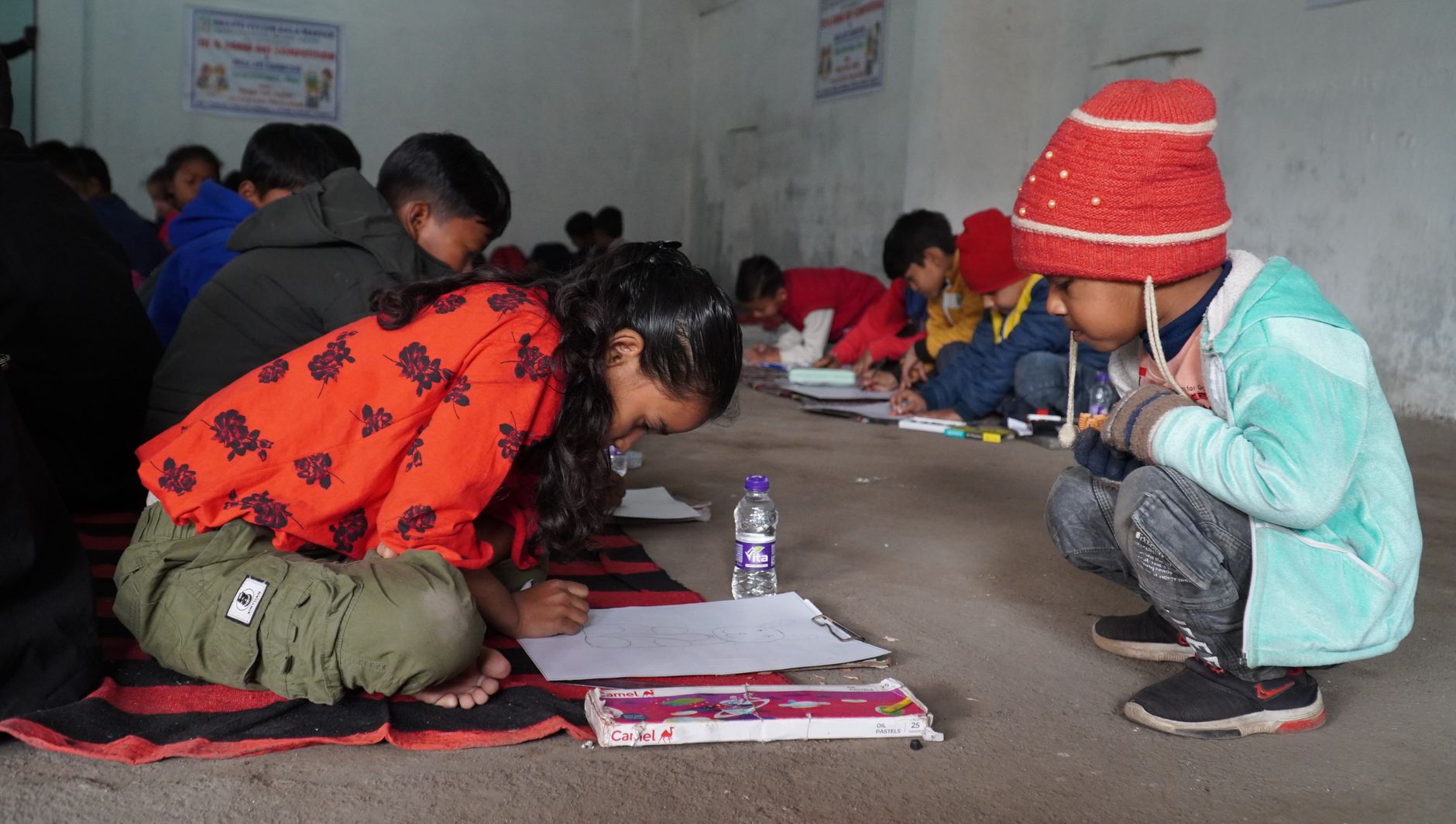
Rural India faces multiple educational hurdles that go beyond mere infrastructure. Many villages lack qualified teachers, basic learning materials, functional toilets, and technology access. The digital divide became starkly visible during the pandemic when millions of rural students had no means to attend online classes.
According to various educational assessments, rural students often lag several grade levels behind in reading and arithmetic compared to their urban peers. School dropout rates remain higher, particularly among girls, due to factors including distance, safety concerns, and socio-economic pressures.
How Corporate-NGO Partnerships Work
Successful CSR initiatives in rural education typically follow a multi-pronged approach:
- Infrastructure development including classroom construction, libraries, and sanitation facilities
- Teacher training programs to improve pedagogical skills and subject knowledge
- Distribution of learning materials, books, uniforms, and digital devices
- Scholarship schemes for economically disadvantaged students
- Special programs for girls' education and STEM learning
- Mid-day meal support to improve nutrition and attendance
- Parent engagement initiatives to build community ownership
The involvement of established foundations ensures that corporate funds are channelled efficiently and that programs are designed with local needs in mind. These organisations have the on-ground presence and cultural understanding that corporations typically lack.
Measuring Impact Beyond Numbers
While quantitative metrics like the number of students reached or classrooms built are important, the true measure of success lies in learning outcomes. Progressive CSR programs now incorporate assessment mechanisms to track improvements in literacy rates, numeracy skills, and overall academic performance.
Equally significant are qualitative changes: increased school attendance, reduced dropout rates, higher transition to secondary education, and improved confidence among students. For many rural children, exposure to technology, science labs, or libraries opens entirely new worlds of possibility.
Challenges and Sustainability Concerns
Despite the positive trajectory, CSR-driven education initiatives face several challenges. Sustainability remains a primary concern—what happens when corporate funding ends or shifts focus? Building local capacity and ensuring government integration are crucial for long-term impact.
There are also questions about coordination and duplication of efforts when multiple companies target the same regions while other areas remain neglected. Greater collaboration among corporates, government bodies, and civil society is needed for optimal resource utilisation.
The Ripple Effect
Investing in rural education creates benefits far beyond individual students. Educated youth become agents of change in their communities, breaking cycles of poverty and contributing to local economic development. Girls' education, in particular, has multiplier effects on health, family planning, and the next generation's wellbeing.
As more companies recognise education as a strategic CSR priority and forge partnerships with experienced implementation partners, the potential for transforming rural India's educational landscape grows substantially.
The Road Ahead
The convergence of mandatory CSR spending, growing corporate consciousness, and India's development priorities presents an unprecedented opportunity. Technology integration, vocational training aligned with market needs, and focus on foundational literacy will likely shape the next phase of corporate involvement in rural education.
For these initiatives to achieve scale and permanence, they must complement and strengthen government systems rather than create parallel structures. The goal should be systemic change—ensuring that every child, regardless of their postal code, has access to quality education that unlocks their full potential.
This article is for general informational purposes only and does not constitute professional advice regarding CSR compliance or implementation strategies. Companies should consult with legal and CSR experts for specific guidance.