Corporate Social Responsibility (CSR) has emerged as a transformative force in Indian education, particularly in rural areas where government resources often fall short. The collaboration between corporations and grassroots organizations is creating new pathways for educational development in underserved communities across the country.
Understanding India's CSR Framework
Since 2014, India has maintained one of the world's most progressive CSR frameworks. Companies meeting certain thresholds of net worth, turnover, or profit are required to spend at least 2% of their average net profits from the preceding three years on CSR activities. Education and skill development feature prominently among the permitted CSR focus areas under Schedule VII of the Companies Act.
This mandatory framework has channeled thousands of crores into social development projects annually. However, the real challenge lies not in mobilizing funds but in ensuring these resources create lasting impact on the ground.
The Role of NGO Partnerships
Most corporations lack the ground-level infrastructure and expertise to directly implement educational programs in rural areas. This is where partnerships with established foundations and NGOs become crucial. These organizations bring several advantages to CSR implementation:
- Deep understanding of local communities and their specific needs
- Existing relationships with village leaders, parents, and school administrations
- Experience in designing context-appropriate educational interventions
- Infrastructure for monitoring and evaluating program outcomes
- Ability to ensure sustainability beyond the initial funding period
Such partnerships create a multiplier effect, combining corporate resources with grassroots expertise to maximize impact.
Common CSR Interventions in Rural Education
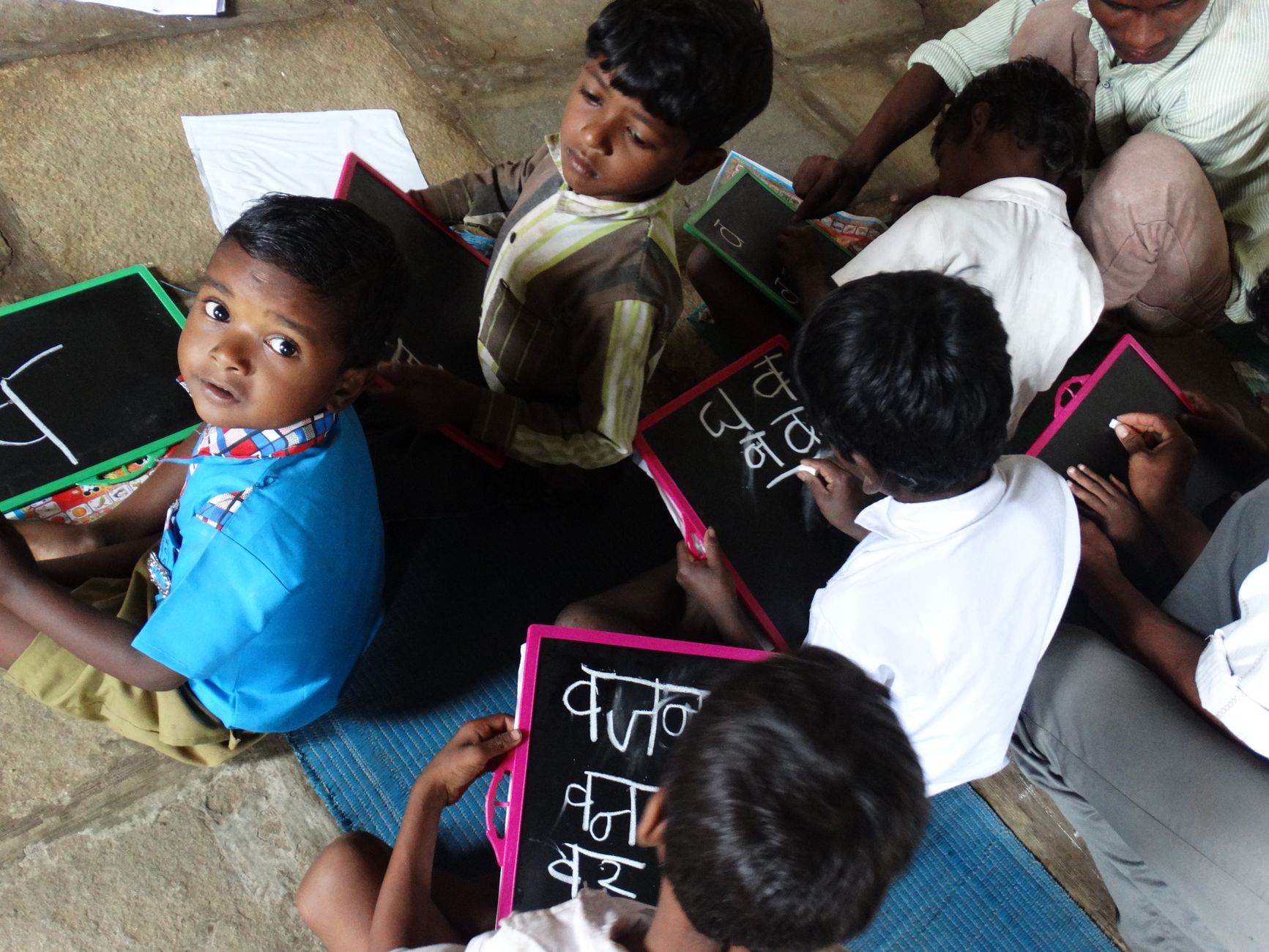
Corporate-funded educational initiatives in rural India typically address several critical gaps. Infrastructure development remains a primary focus, with companies funding classroom construction, toilet facilities, drinking water systems, and libraries. These basic amenities, often taken for granted in urban schools, can dramatically improve attendance and learning outcomes in villages.
Technology integration represents another major intervention area. Companies provide computer labs, digital learning tools, and internet connectivity to bridge the digital divide. In an increasingly technology-driven world, such initiatives help rural students access the same educational resources available to their urban counterparts.
Teacher training programs form the backbone of sustainable educational improvement. Many CSR initiatives fund workshops and certification programs to enhance teaching methodologies, subject knowledge, and classroom management skills among rural educators.
Beyond Academics: Holistic Development
Progressive CSR programs recognize that education extends beyond textbooks. Many initiatives now incorporate:
- Nutrition programs addressing malnutrition that hampers learning capacity
- Health check-ups and hygiene awareness campaigns
- Sports facilities and equipment promoting physical development
- Career counseling and mentorship programs
- Scholarship schemes for higher education
These holistic approaches acknowledge that learning happens most effectively when students' basic needs are met and they can envision a future beyond their immediate circumstances.
Measuring Real Impact
The effectiveness of CSR educational initiatives depends heavily on impact measurement and accountability. Leading programs establish clear metrics from the outset, tracking indicators like enrollment rates, attendance patterns, learning outcomes, dropout rates, and post-program employment or higher education rates.
Regular audits and third-party evaluations ensure transparency and help organizations course-correct when needed. The most successful programs maintain long-term engagement with communities rather than implementing one-time interventions.
Challenges and the Path Forward
Despite their potential, CSR educational initiatives face several challenges. Coordination between multiple stakeholders, sustaining programs beyond initial funding cycles, adapting interventions to diverse local contexts, and ensuring genuine community participation require constant attention.
The future of CSR in education likely lies in greater collaboration between corporations, government bodies, and civil society organizations. Sharing best practices, creating unified impact measurement frameworks, and focusing on scalable models can amplify the reach and effectiveness of these initiatives.
As India continues its journey toward universal quality education, corporate CSR partnerships with grassroots organizations represent a promising model for accelerating progress, particularly in rural areas where traditional development approaches have struggled to gain traction. When implemented thoughtfully, these initiatives don't just build schools—they build opportunities, aspirations, and pathways out of poverty for millions of children.