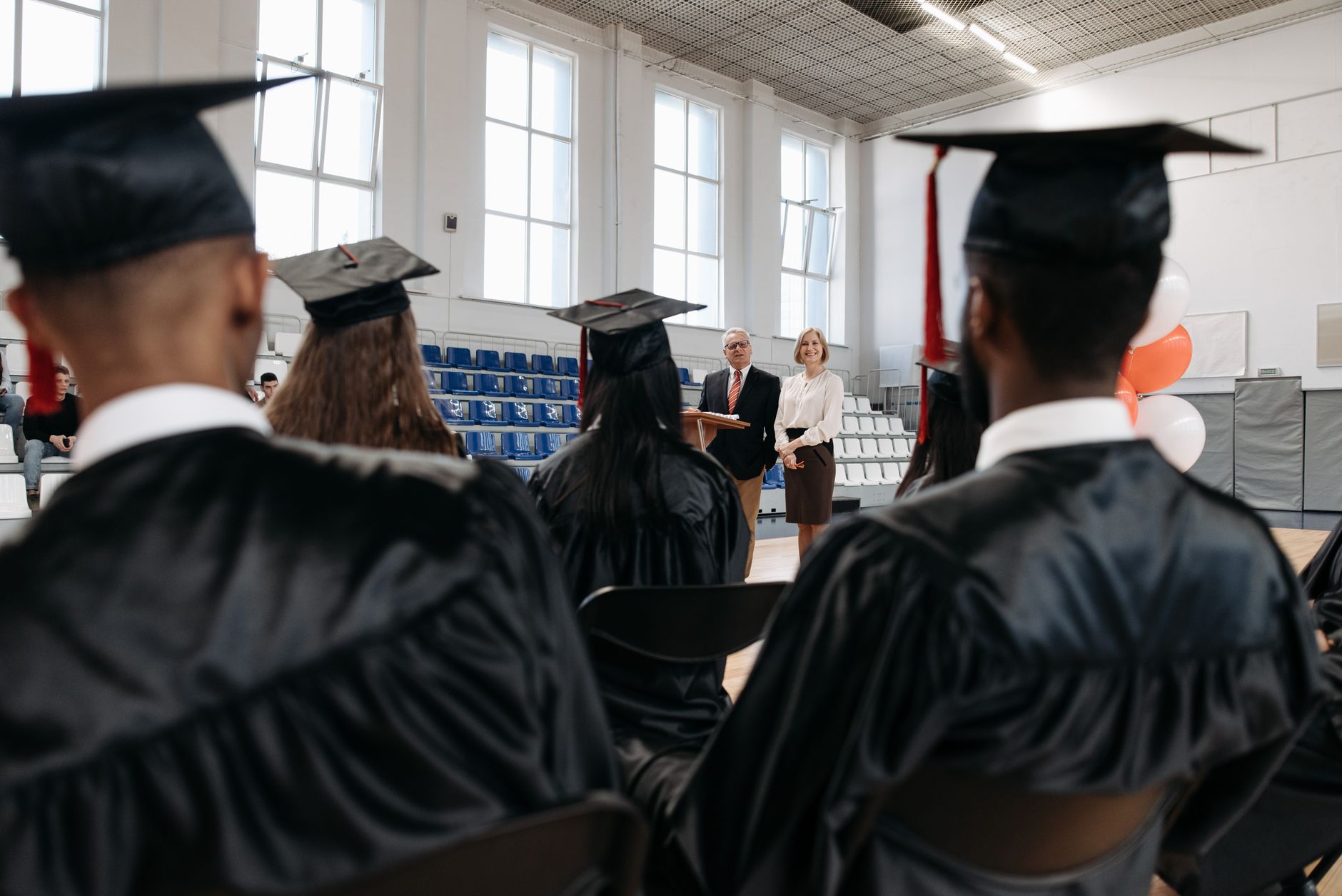
Schools across Goa now face a new procedural requirement that has caught the attention of educators and parents alike. Educational institutions must seek government approval before inviting any outside speakers to address students, marking a significant shift in how schools manage their educational programming and extracurricular activities.
Understanding the New Directive
The directive essentially requires schools to submit details about proposed guest speakers to education authorities before finalizing any invitations. This applies to speakers across various domains, whether they are motivational speakers, subject matter experts, alumni, or professionals invited to share insights with students. Schools must provide information about the speaker's background, the topic of discussion, and the intended audience before receiving clearance.
This requirement represents a departure from the traditional autonomy schools have enjoyed in designing their guest lecture programs and enrichment activities. Previously, school administrators and principals could independently decide which external voices would benefit their student community.
Stated Objectives Behind the Policy
Government officials have positioned this measure as a protective mechanism designed to ensure age-appropriate content reaches students. The rationale includes several key concerns that education authorities aim to address through this oversight.
- Preventing exposure to potentially divisive or inappropriate content
- Ensuring speakers align with educational standards and values
- Maintaining consistency with curriculum objectives
- Protecting students from commercial exploitation through promotional activities disguised as educational sessions
- Screening for credentials and background verification of individuals interacting with minors
The approval process theoretically allows authorities to evaluate whether a speaker's content and credentials meet established guidelines for educational institutions.
Concerns from the Education Community
Educators and school administrators have expressed mixed reactions to this development. Several concerns have emerged regarding the practical implementation and broader implications of requiring government approval for guest speakers.
The additional bureaucratic layer introduces time delays that may complicate event planning. Schools often schedule speakers months in advance, and an approval process could create uncertainty about whether planned programs will receive clearance in time. This is particularly challenging for schools trying to coordinate with high-profile speakers or experts with limited availability.
There are also questions about the criteria used for approval or rejection. Without transparent guidelines, schools may face inconsistent decisions or unclear explanations when speakers are denied permission. This uncertainty can make program planning difficult and potentially discourage schools from pursuing enriching external engagement altogether.
Impact on Educational Diversity
Guest speakers have traditionally served as valuable bridges between classroom learning and real-world applications. Industry professionals, artists, scientists, and community leaders offer students perspectives that complement formal instruction and inspire career exploration.
Schools frequently invite speakers for career guidance sessions, cultural programs, science demonstrations, literary festivals, and social awareness campaigns. These interactions expose students to diverse viewpoints and professional paths they might not encounter through standard curriculum alone.
Critics worry that filtering all external speakers through a government approval process could homogenize educational experiences and limit exposure to diverse perspectives that challenge students to think critically.
The Broader Context
This development in Goa reflects ongoing debates across India about educational content, institutional autonomy, and the appropriate role of government oversight in schools. Similar discussions have emerged regarding textbook content, cultural programming, and the balance between standardization and local decision-making authority.
The regulation also raises questions about the definition of "outside speakers." It remains unclear whether this extends to parent volunteers sharing career experiences, local artists conducting workshops, or virtual speakers joining via video conference.
Looking Ahead
Schools will need to adapt their planning processes to accommodate the approval requirement, likely building in additional lead time for event organization. Some institutions may develop closer working relationships with education department officials to streamline the approval process, while others might reduce their guest speaker programs altogether.
Parents and education advocates will be watching to see how consistently the policy is applied and whether it achieves its stated objectives without unduly restricting the educational enrichment opportunities available to students.
The coming months will reveal how this policy shapes the educational landscape in Goa and whether other states consider adopting similar measures or view this as a cautionary example of excessive bureaucratic intervention in school management.