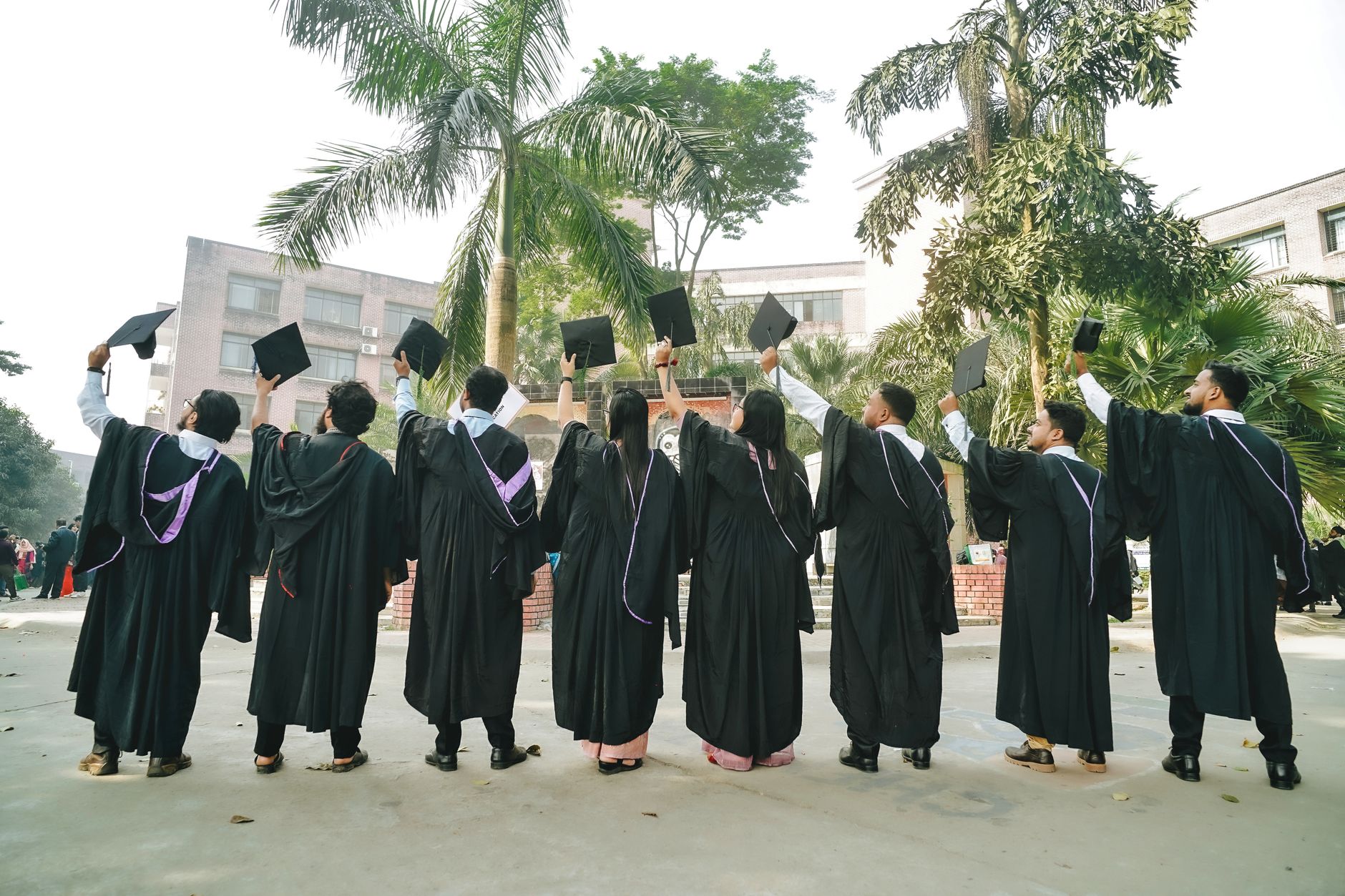
Germany has emerged as a top destination for Indian students pursuing advanced degrees in technology, with a remarkable 370% increase in student applications reported recently. This surge is primarily fueled by growing interest in Master of Science programmes in Artificial Intelligence and related fields, as young Indians seek to position themselves at the forefront of the global tech revolution.
Why Germany Appeals to Indian Students
Germany's appeal as an education destination stems from several compelling factors. Most public universities charge minimal or no tuition fees for international students, making quality European education remarkably affordable compared to universities in the United States, United Kingdom, or Australia. Students typically pay only semester contribution fees of around 150-350 euros, which often includes public transport passes.
The country's education system is renowned for its rigorous academic standards and strong industry connections. German universities offering AI and computer science programmes frequently collaborate with leading technology companies, research institutes, and startups, providing students with practical exposure and networking opportunities that translate directly into career advancement.
The AI Education Advantage
Master's programmes in Artificial Intelligence in Germany combine theoretical foundations with hands-on experience in machine learning, neural networks, data science, and robotics. Universities such as Technical University of Munich, RWTH Aachen, and the University of Freiburg offer cutting-edge research facilities and internationally recognized faculty members.
The curriculum typically includes:
- Machine learning algorithms and deep learning
- Natural language processing and computer vision
- Robotics and autonomous systems
- Data analytics and big data technologies
- Ethics and responsible AI development
- Industry project work and internships
Career Prospects Driving the Trend
Germany's robust economy and position as Europe's technology hub create abundant career opportunities for AI graduates. The country faces a significant skills shortage in technology sectors, with thousands of positions remaining unfilled annually. This talent gap has prompted German companies to actively recruit international graduates, often offering competitive salaries and clear pathways to permanent residency.
Starting salaries for AI specialists in Germany typically range from 55,000 to 75,000 euros annually, with experienced professionals commanding significantly higher compensation. Major technology companies, automotive manufacturers investing heavily in autonomous vehicles, and a thriving startup ecosystem all compete for AI talent.
Post-Study Work Opportunities
Germany offers an 18-month post-study work visa for international graduates, allowing them time to secure employment. Once employed, graduates can transition to the EU Blue Card, a fast-track residence permit for highly skilled workers. After several years of residence and employment, permanent residency and citizenship pathways open up.
The country's immigration policies have become increasingly welcoming toward skilled professionals, recognizing the economic contribution of international talent. Recent reforms have further streamlined visa processes and reduced bureaucratic hurdles for students and working professionals.
Language and Cultural Considerations
While many Master's programmes in AI and technology are offered entirely in English, learning German significantly enhances career prospects and daily life experience. Most universities offer German language courses, and reaching intermediate proficiency can open doors to additional job opportunities and deeper cultural integration.
Indian students generally adapt well to German academic culture, which emphasizes independent research, critical thinking, and collaborative project work. The large Indian community in German cities provides social support networks and familiar cultural touchpoints.
Practical Steps for Prospective Students
Students interested in pursuing AI studies in Germany should begin preparations at least 12-18 months before their intended start date. Key steps include:
- Researching programmes and university rankings in AI specializations
- Ensuring undergraduate transcripts meet German recognition standards
- Preparing for English proficiency tests like IELTS or TOEFL
- Gathering required documents including motivation letters and recommendation letters
- Understanding blocked account requirements for visa purposes
- Applying through uni-assist or directly to universities well before deadlines
The Broader Trend
This surge in applications reflects a broader shift in how Indian students approach international education. Rather than defaulting to traditional destinations, students increasingly evaluate options based on career outcomes, total cost of education, quality of life, and immigration prospects. Germany scores highly across all these parameters, especially for students in high-demand fields like AI.
As artificial intelligence continues transforming industries globally, graduates with specialized training from respected institutions find themselves well-positioned for international careers. The combination of German engineering excellence, affordable education, and strong employment prospects creates a compelling value proposition that is clearly resonating with Indian students and their families.