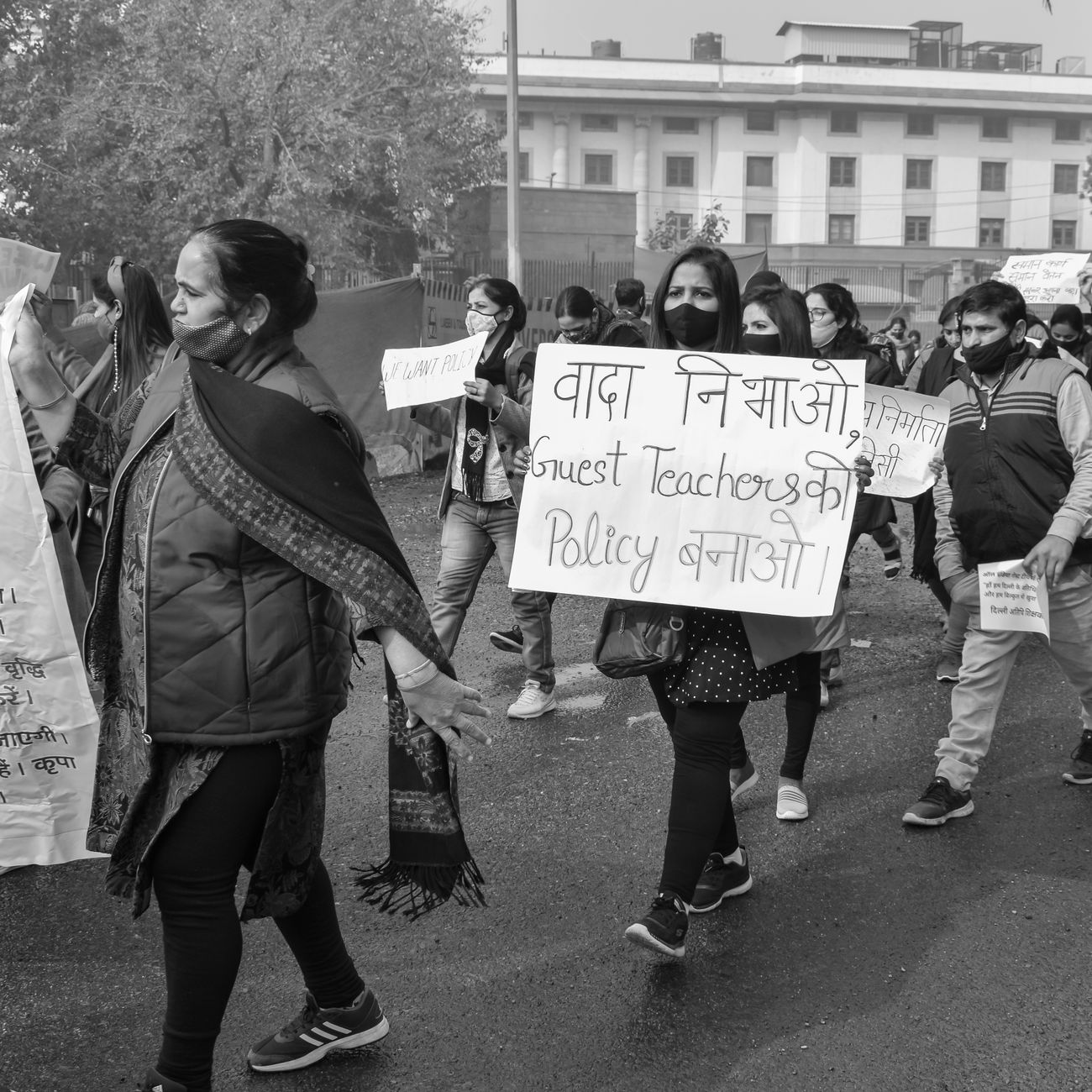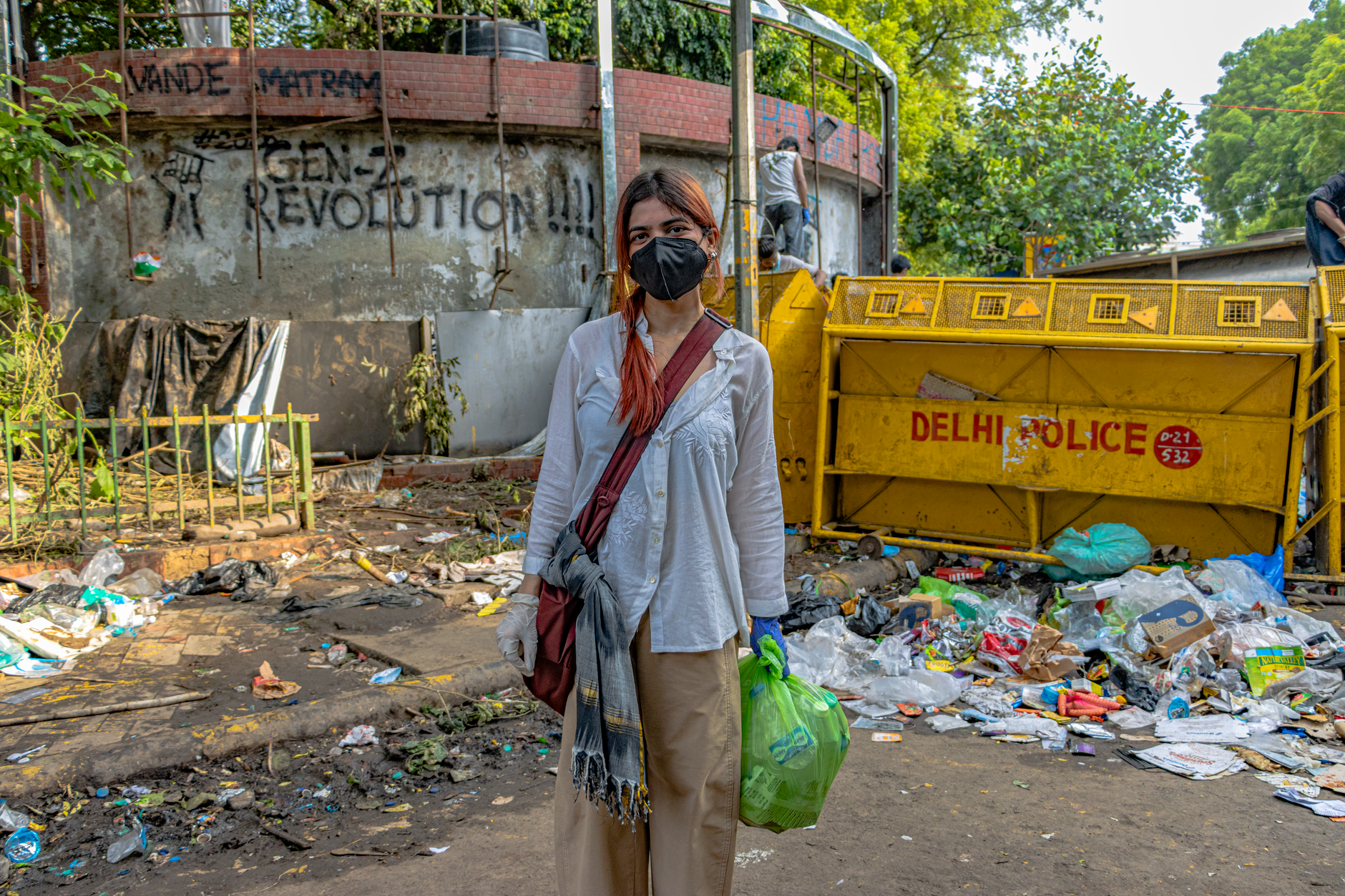
India's educational institutions have witnessed a remarkable transformation in student activism over the past few years, with Generation Z leading protests that combine digital organization, creative expression, and unwavering determination. Unlike previous generations, today's students are leveraging technology and social media to amplify their voices and sustain movements that address systemic issues in the country's education system.
The Digital Revolution in Campus Activism
Generation Z protesters have fundamentally altered how student movements operate in India. Born between the mid-1990s and early 2010s, these digital natives utilize platforms like Instagram, Twitter, and WhatsApp to organize protests, share information rapidly, and create widespread awareness. What once required weeks of planning through physical meetings now happens in hours through coordinated online campaigns.
The accessibility of smartphones and internet connectivity has democratized protest participation. Students from smaller cities and towns can now engage with movements originating in metropolitan areas, creating a truly national conversation around educational issues. Live-streaming of protests, viral hashtags, and real-time updates have made it nearly impossible to suppress or ignore student demands.
Key Issues Driving Student Movements
Several critical concerns have mobilized Gen Z students across India:
- Fee hikes and educational affordability
- Quality of education and outdated curricula
- Campus safety and gender equality
- Freedom of expression and academic autonomy
- Reservation policies and social justice
- Mental health support and academic pressure
- Infrastructure inadequacies and resource allocation
These issues reflect broader societal concerns, with students positioning themselves as stakeholders demanding accountability from educational institutions and policymakers.
Creative Expression Meets Serious Demands
One distinguishing feature of Gen Z protests is the integration of art, music, and cultural expression. Protesters use poetry readings, street plays, graffiti, and musical performances to convey their messages. This creative approach serves multiple purposes: it attracts media attention, makes protests more inclusive and less confrontational, and communicates complex issues in accessible formats.
The use of humor, memes, and satire has become a powerful tool. Students create shareable content that goes viral, bringing lightheartedness to serious issues while making their demands more relatable to the broader public. This approach has helped garner support beyond campus boundaries, connecting with working professionals, parents, and civil society.
Organization Without Traditional Hierarchies
Unlike student movements of previous decades that often had clear leadership structures and political affiliations, many Gen Z protests operate through decentralized networks. Decision-making happens through consensus-building on digital platforms, with different students taking leadership on specific aspects like media communication, logistics, or legal support.
This horizontal structure makes movements more resilient to attempts at suppression through targeted action against leaders. It also ensures wider participation and prevents any single political ideology from dominating the movement's objectives.
Sustained Momentum and Long-term Engagement
Gen Z protesters have demonstrated remarkable staying power. Rather than single-day demonstrations, movements now extend over weeks or months, with students balancing academic responsibilities while maintaining pressure on authorities. The ability to organize online has enabled rotating participation, preventing burnout and ensuring sustained visibility.
Students have also become more strategic about timing their protests, choosing moments when they can maximize media coverage and public attention. They understand the importance of narrative control and actively engage with journalists and commentators to ensure their perspectives are accurately represented.
The Role of Inter-University Solidarity
Modern student protests frequently see solidarity actions across multiple universities and cities. When students at one institution face issues, others organize sympathy protests or virtual support campaigns. This network effect amplifies individual movements and creates pressure on authorities to address concerns seriously.
Social media has enabled students from different backgrounds and regions to share experiences and strategies, creating a knowledge base that strengthens future movements. This inter-connected activism represents a significant evolution from earlier, more isolated campus protests.
Challenges and Criticisms
Despite their effectiveness, Gen Z student movements face challenges. Critics sometimes dismiss them as performative activism or question the depth of engagement beyond online participation. There are concerns about misinformation spreading rapidly through social media and the potential for movements to be hijacked by external political interests.
Additionally, the digital divide means not all students have equal access to online organizing tools, potentially excluding economically disadvantaged voices from these movements.
Impact on Educational Policy
These sustained protests have achieved tangible results in several instances, forcing institutions and governments to reconsider fee structures, improve safety measures, and engage in dialogue about curriculum reforms. The willingness of Gen Z to mobilize quickly and effectively has made authorities more responsive to student concerns.
The long-term impact of this new form of activism extends beyond immediate demands. It is creating a generation of young Indians who are civically engaged, understand their rights, and are willing to challenge institutional authority constructively. This bodes well for democratic participation in other spheres as these students enter professional life and broader civic engagement.