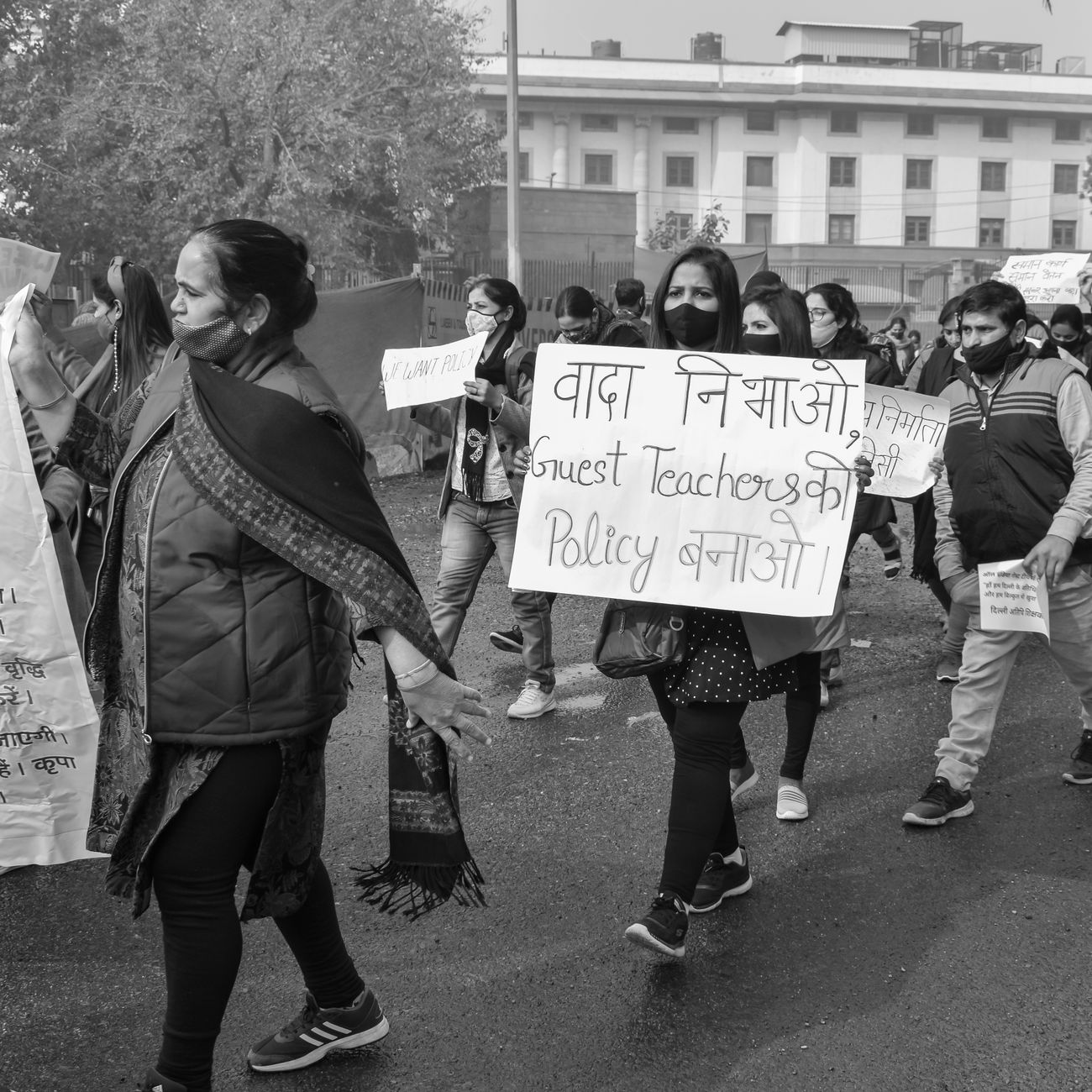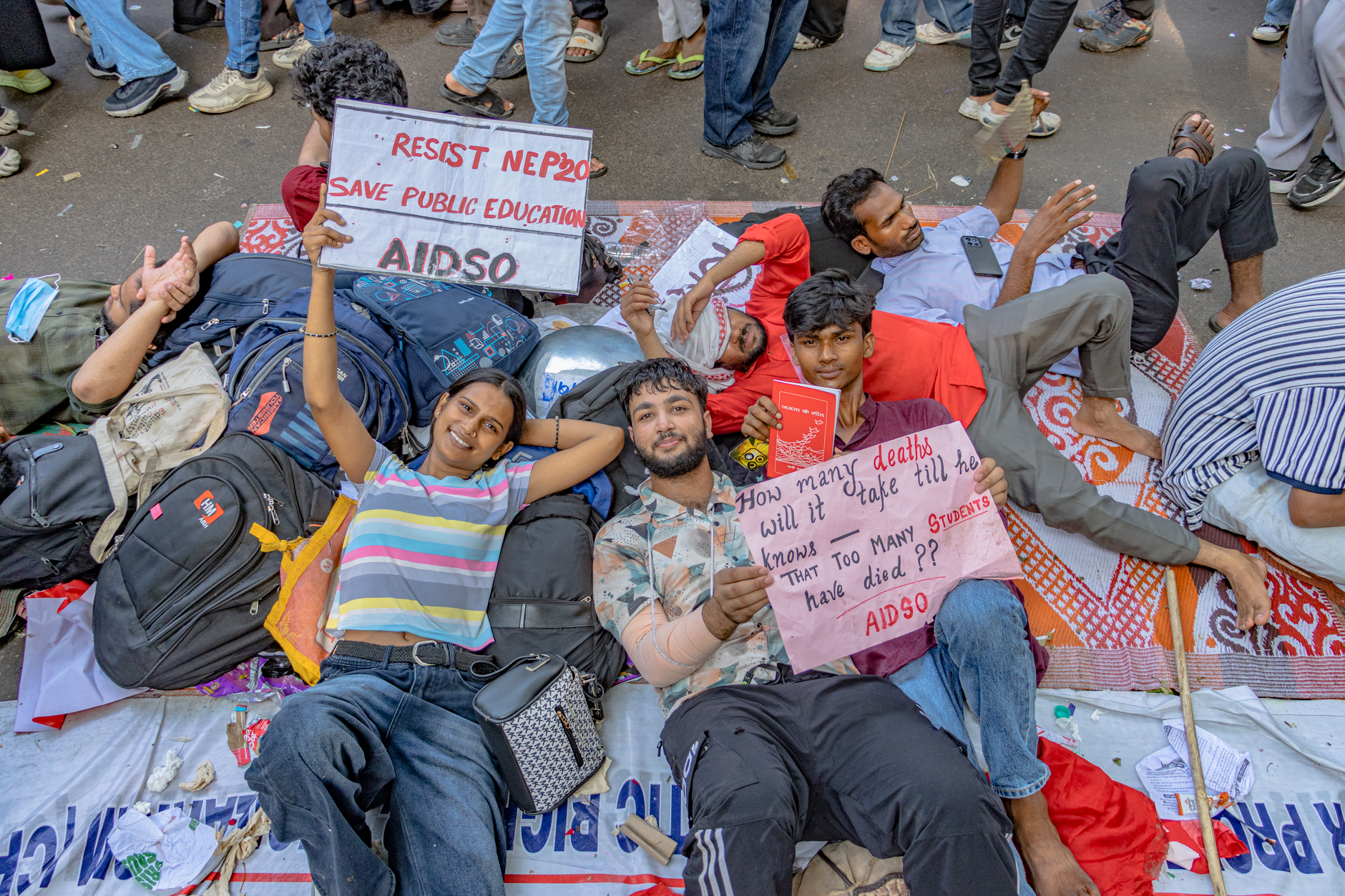
India's youth population represents one of the world's largest demographic assets, with over 600 million people under the age of 25. Yet this advantage is turning into a source of widespread discontent as Generation Z voices growing frustration with an educational system they believe is failing to prepare them for the modern economy.
The Core Complaints
Young Indians are raising fundamental questions about the quality and relevance of their education. The grievances centre on several key issues that reflect a disconnect between classroom learning and real-world requirements.
Outdated curricula remain a primary concern. Many students report that textbooks and teaching methods have barely evolved in decades, focusing heavily on rote memorization rather than critical thinking or practical skills. Subjects are often taught in isolation, with little integration of technology or contemporary global developments.
The examination system compounds these problems. Competitive exams for college admissions and government jobs can involve memorizing vast amounts of information with limited practical application. Students spend years preparing for single tests that determine their entire career trajectory, creating immense pressure whilst potentially stifling creativity and innovation.
The Employment Gap
Perhaps the most damning indictment of the current system is the inability of educated youth to find suitable employment. India produces millions of graduates annually, yet employers frequently report that candidates lack job-ready skills.
This skills mismatch manifests in several ways. Engineering graduates may understand theoretical concepts but struggle with hands-on problem-solving. Commerce students might excel at examinations but lack exposure to accounting software or data analysis tools. Arts and humanities graduates often find their degrees provide no clear pathway to employment.
The rise of the digital economy has intensified these challenges. Employers increasingly demand proficiency in coding, digital marketing, data science, and artificial intelligence—skills rarely taught comprehensively in traditional Indian universities. Private coaching institutes and online learning platforms have rushed to fill this void, but access often depends on family resources rather than merit.
Infrastructure and Quality Concerns
Beyond curriculum issues, basic educational infrastructure remains inadequate in many regions. Whilst elite institutions in major cities may offer world-class facilities, countless schools and colleges struggle with:
- Overcrowded classrooms with student-teacher ratios far exceeding recommended levels
- Insufficient laboratory equipment and outdated technology
- Poor library resources and limited access to current research
- Faculty shortages and undertrained teachers
- Inadequate digital infrastructure for online learning
The pandemic exposed and exacerbated these inequalities. Students from privileged backgrounds transitioned to online learning with relative ease, whilst millions from rural areas or lower-income families lost months or years of education due to lack of devices or internet connectivity.
The Psychological Toll
The pressure-cooker environment of Indian education extracts a heavy psychological price. Competition for limited seats in prestigious institutions drives students to extreme measures. Reports of student suicides linked to academic pressure surface regularly, particularly around examination periods.
Mental health support within educational institutions remains minimal. Counselling services are rare, and the stigma around seeking help prevents many students from accessing what little support exists. The focus remains overwhelmingly on academic achievement rather than holistic development.
Calls for Reform
Generation Z is demanding fundamental changes rather than superficial adjustments. Their vision for educational reform includes:
- Modernized curricula emphasizing critical thinking and practical skills
- Increased focus on vocational training and skill development
- Better integration of technology and digital literacy
- Reduced emphasis on high-stakes examinations
- Improved teacher training and accountability
- Greater investment in educational infrastructure across all regions
- Mental health support and counselling services
- Industry collaboration to align education with employment needs
Political Implications
This educational discontent carries significant political weight. Young voters represent a growing electoral force, and their frustration with unfulfilled promises of development and opportunity could reshape political dynamics. When educated youth cannot find meaningful employment despite years of study, faith in institutions and leadership inevitably erodes.
The challenge facing policymakers is substantial. Reforming an educational system serving hundreds of millions requires enormous resources, political will, and time. Yet the cost of inaction—wasted human potential, economic stagnation, and social unrest—may prove far greater.
As India aspires to become a global economic powerhouse, addressing the legitimate concerns of its youngest generation is not optional. The question is whether reforms will come quickly enough to channel youthful energy toward productive ends, or whether frustration will continue to mount as another generation feels left behind by a system that promised much but delivered little.