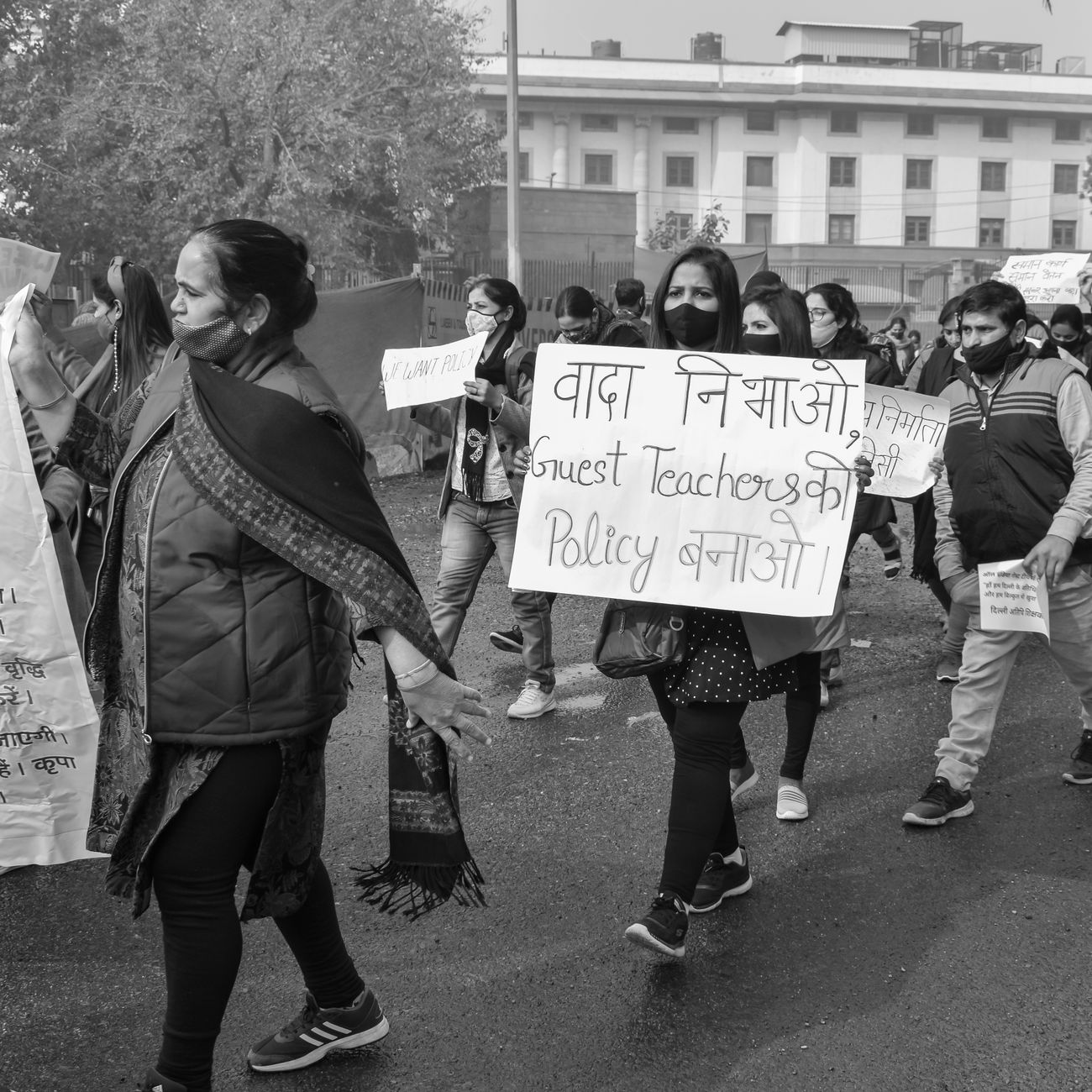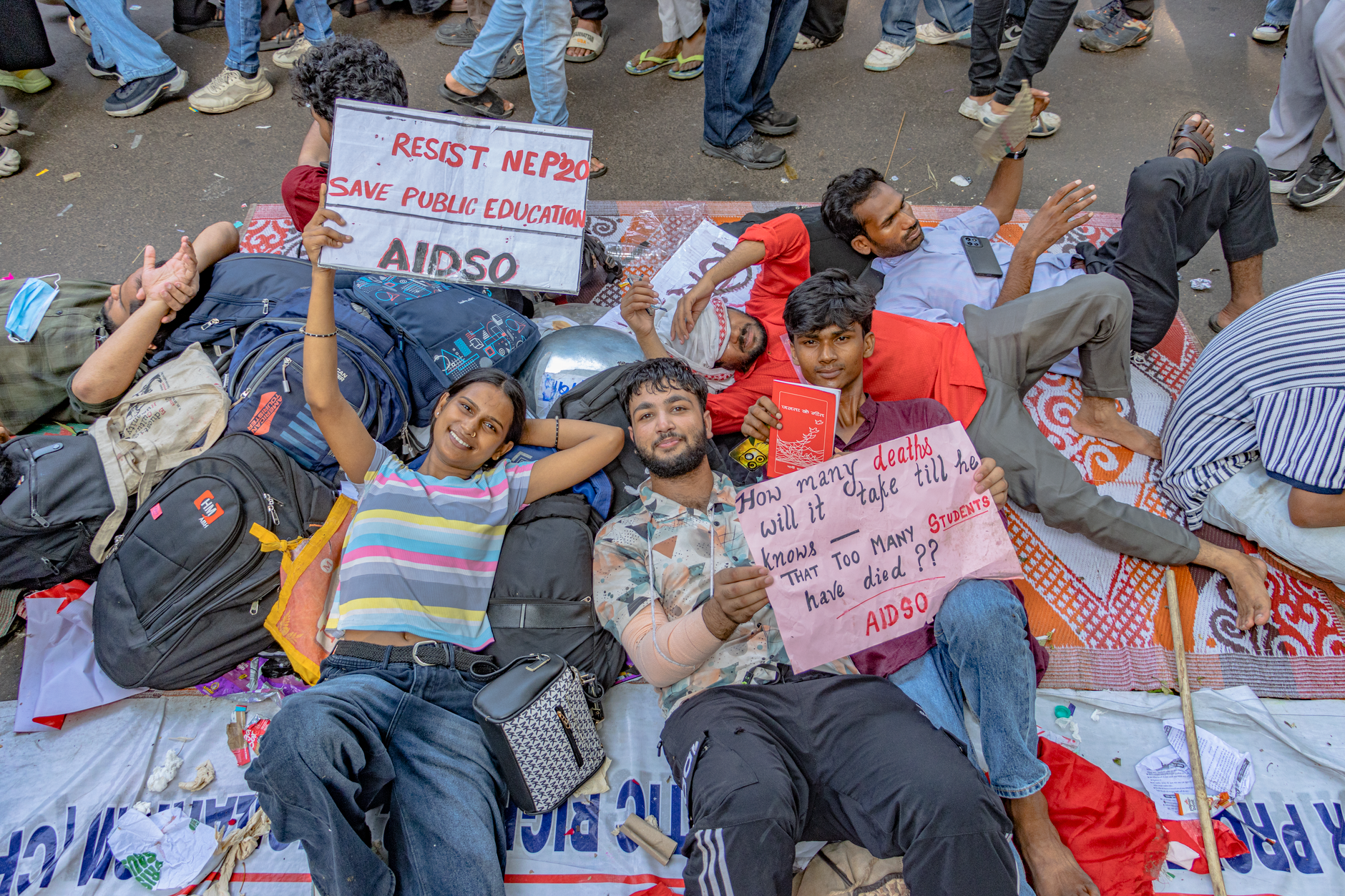
Freedom Park in Bengaluru has long served as a designated protest venue in India's tech capital, but recent gatherings of Generation Z students and young professionals have brought a fresh energy to this historic space. These assemblies reflect a broader trend of youth-led activism reshaping India's civic landscape, particularly around education policy, career opportunities, and social justice.
Understanding the Gen Z Phenomenon
Generation Z in India, typically defined as those born between 1997 and 2012, represents approximately 472 million people or about a third of the country's population. Unlike previous generations, these young Indians have grown up with smartphones, social media, and unprecedented access to global information. This digital fluency has fundamentally altered how they consume news, organize movements, and express dissent.
The gatherings at Freedom Park showcase several characteristics unique to this generation. Participants often use Instagram stories, Twitter threads, and WhatsApp groups to coordinate attendance and share their messages. The protests themselves tend to be more inclusive, with explicit attention to intersectional issues affecting students from different castes, religions, gender identities, and economic backgrounds.
Key Issues Driving Youth Activism
Several education-related concerns have mobilized Gen Z students across Bengaluru and other Indian cities:
- Rising unemployment among graduates despite increasing educational qualifications
- The skills gap between what universities teach and what employers demand
- Lack of mental health support systems in educational institutions
- Concerns about privatization and affordability of higher education
- Demands for curriculum reforms that reflect contemporary India's diversity
- Questions about exam-centric evaluation systems versus holistic learning
The education sector in India faces significant challenges. While gross enrollment ratios have improved dramatically, employability remains a concern. Studies suggest that a large percentage of engineering and general degree graduates struggle to find jobs matching their qualifications, leading to frustration among young people who followed the traditional education-to-employment pathway.
A Shift in Protest Culture
What makes these Freedom Park gatherings noteworthy is their tone and approach. Unlike the more confrontational protests of previous generations, many Gen Z-led movements adopt what observers describe as a "zen" or peaceful character. Participants often sit in circles, hold open discussions, create art installations, perform music, and use creative signage to communicate their messages.
This approach reflects both strategic thinking and generational values. Young activists recognize that peaceful, photogenic protests gain more traction on social media platforms, amplifying their reach beyond physical attendance. Additionally, Gen Z tends to prioritize mental wellness and community building, which influences how they organize collective action.
The Role of Educational Institutions
Universities and colleges across Bengaluru have responded to this surge in student activism in varying ways. Some institutions have opened dialogues with student representatives, establishing committees to address mental health, curriculum updates, and campus governance. Others have taken more restrictive approaches, leading to tensions between administration and student bodies.
The ongoing debate centers on the role of educational institutions in developing not just technically skilled graduates but informed, engaged citizens. Gen Z students increasingly demand that colleges serve as spaces for critical thinking, civic education, and social consciousness alongside professional training.
Technology as an Organizing Tool
Social media platforms have become the primary organizing infrastructure for Gen Z activism. Students create event pages, share real-time updates, fact-check misinformation, and document their gatherings through multimedia content. This digital layer has made movements more transparent and accessible while also creating new challenges around privacy, surveillance, and online harassment.
Platforms like Instagram and YouTube have birthed a new category of student influencers and activists who build followings around educational reform, career guidance, and social issues. These digital voices often reach more young Indians than traditional media outlets or established political leaders.
Looking Forward
The phenomenon at Freedom Park represents more than isolated protests. It signals a generational awakening about the power of collective voice in shaping policy and institutional priorities. As India's largest demographic cohort, Gen Z's engagement with civic issues will likely influence education policy, electoral politics, and social reforms for decades to come.
Whether these movements translate into sustained institutional changes remains to be seen. However, the energy, organization, and values displayed by young Indians gathering at spaces like Freedom Park suggest that this generation is determined to play an active role in shaping their country's future, starting with the education system that will prepare them for it.