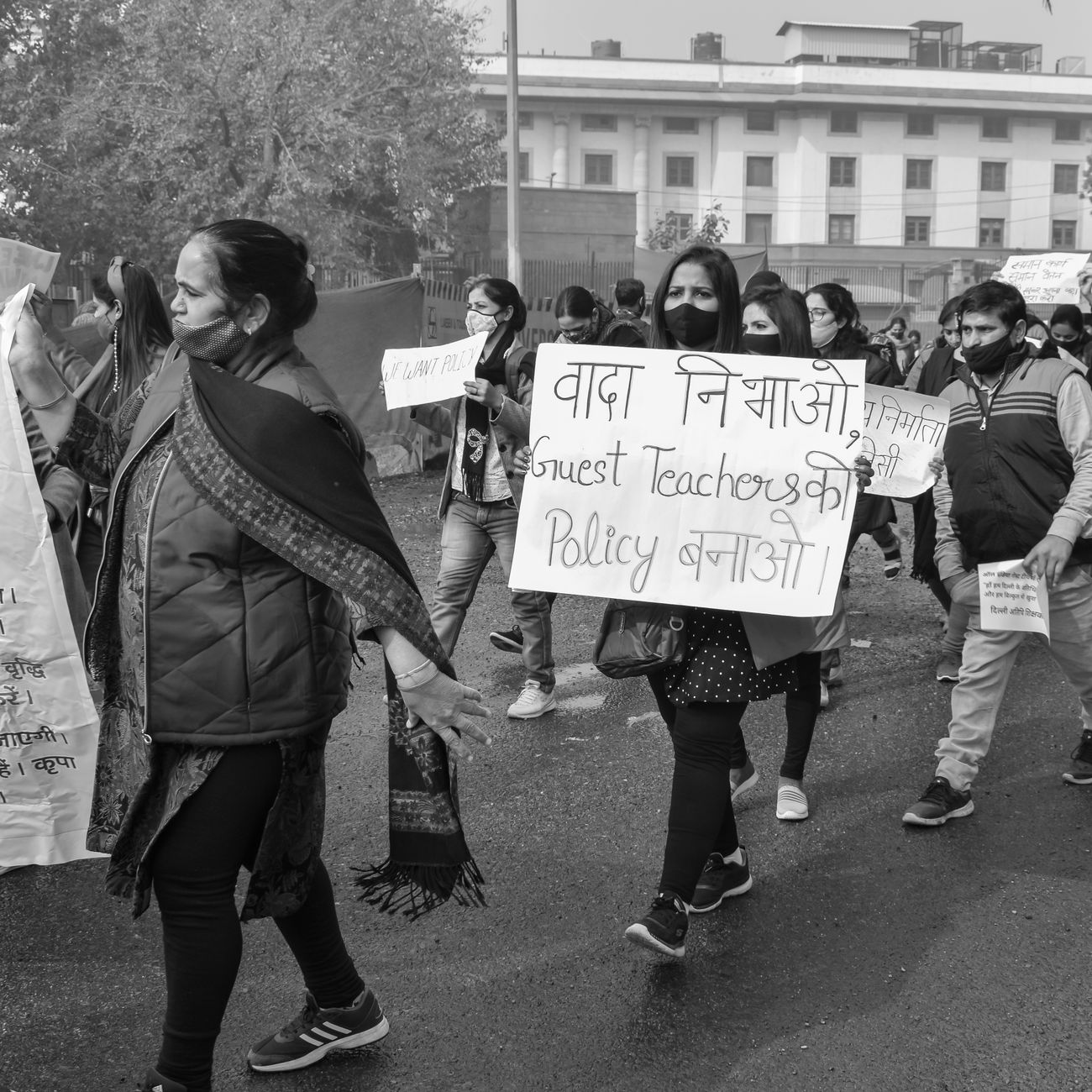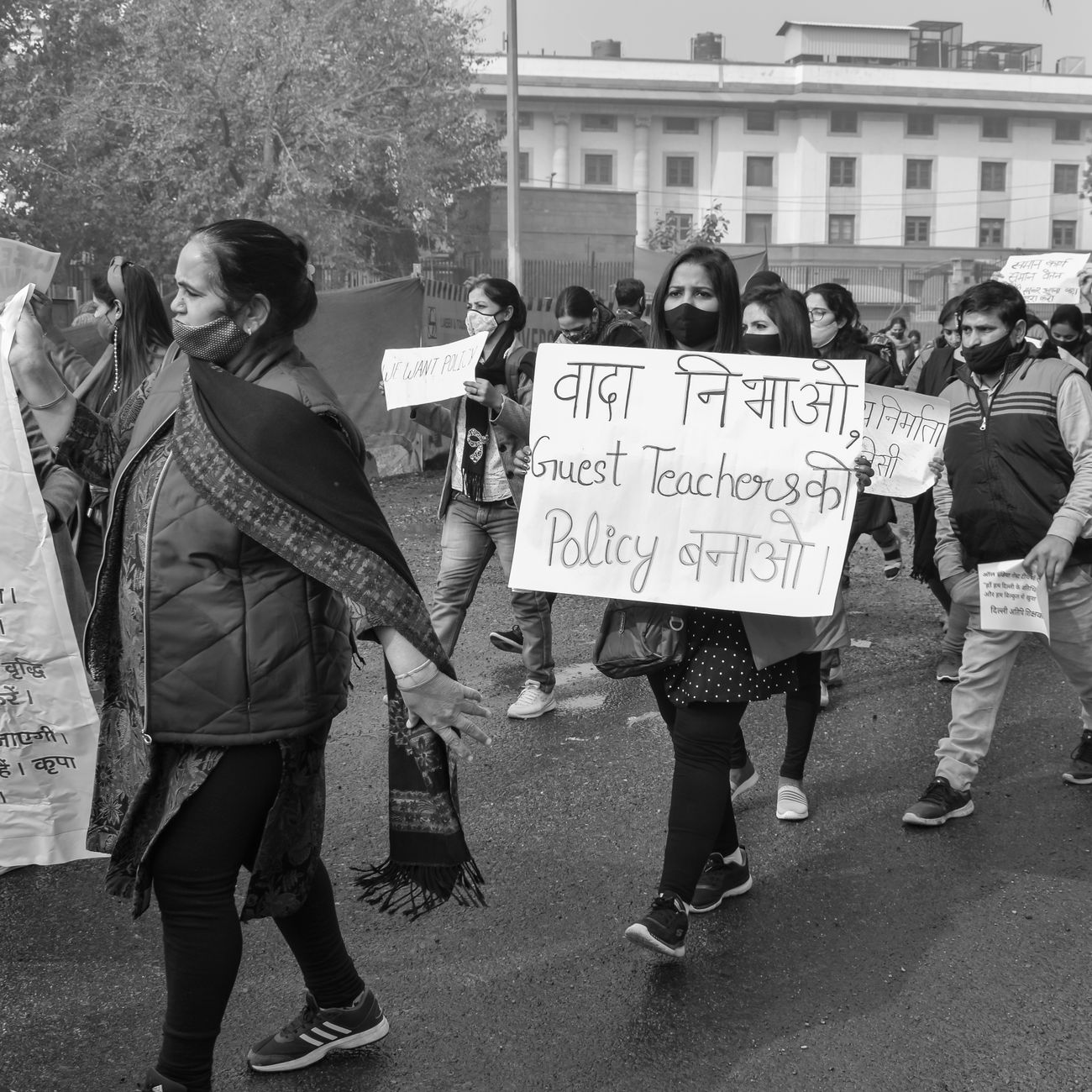
Student movements have long served as catalysts for social and political change in India, challenging established norms and forcing governments to reconsider policies. Throughout independent India's history, young people have organized themselves around issues of language, reservation, autonomy, and access to education, often with far-reaching consequences that extended well beyond university campuses.
The Anti-Hindi Agitation in Tamil Nadu (1965)
One of the most consequential student movements in India erupted in Tamil Nadu in 1965 when the central government attempted to impose Hindi as the sole official language. Students across the state protested vehemently against what they perceived as cultural and linguistic imperialism. The agitation turned violent, with several students self-immolating in protest.
This movement fundamentally altered India's language policy, leading to the continuation of English as an associate official language indefinitely. More significantly, it reshaped Tamil Nadu's politics, contributing to the decline of the Congress party and the rise of Dravidian parties that championed Tamil identity and federalism. The agitation demonstrated that student movements could influence constitutional arrangements and regional political configurations.
The Mandal Commission Protests (1990)
When Prime Minister V.P. Singh announced the implementation of the Mandal Commission recommendations in 1990, proposing 27% reservation for Other Backward Classes in government jobs and educational institutions, it triggered massive student protests, particularly in northern India. Upper-caste students saw this as a threat to their opportunities, leading to demonstrations, self-immolations, and widespread unrest.
Though these protests failed to reverse the policy, they brought caste-based reservation into mainstream political discourse. The Mandal agitation polarized Indian politics along caste lines, creating new political alignments that continue to influence electoral strategies. The movement highlighted deep social fissures and competing claims to social justice in Indian society.
The Movement for Autonomous Universities
Throughout the 1990s and 2000s, students at various institutions campaigned for greater university autonomy and academic freedom. These movements challenged bureaucratic control over educational institutions and demanded that universities be allowed to determine their own curricula, admission policies, and governance structures.
Students at institutions like Delhi University, Jawaharlal Nehru University, and others organized protests, seminars, and campaigns advocating for democratic participation in university administration. While these movements achieved varying degrees of success, they established the principle that students are stakeholders in educational governance, not merely passive recipients of instruction.
The 2016 JNU Sedition Controversy and Campus Politics
The events at Jawaharlal Nehru University in February 2016, when students were charged with sedition following an event, sparked a nationwide debate about nationalism, freedom of expression, and the autonomy of educational institutions. Students and faculty across India organized solidarity protests, marches, and debates.
This movement transcended the immediate controversy, raising fundamental questions about dissent in democracy, state power over universities, and the meaning of patriotism. The protests at Jantar Mantar and elsewhere became a focal point for broader anxieties about shrinking space for critical discourse in educational institutions. The movement demonstrated how campus issues could rapidly become national political flashpoints.
The Fee Hike and Privatization Protests
In recent years, students across India have mobilized against fee hikes and the increasing commercialization of education. From protests at Film and Television Institute of India over administrative appointments to demonstrations at JNU, Hyderabad Central University, and various state universities against fee increases, students have consistently challenged policies they view as making education less accessible.
These movements have highlighted concerns about education becoming a commodity rather than a public good. Students have argued that steep fee increases exclude students from marginalized communities, defeating the constitutional commitment to equal educational opportunity. While universities have sometimes rolled back proposed hikes in response to protests, the broader struggle over the nature and purpose of public education continues.
The Lasting Impact
These five movements, among many others, demonstrate that student activism in India is not merely about campus-specific grievances. Student movements have consistently raised larger questions about social justice, federalism, democratic rights, and national identity. They have launched political careers, reshaped party strategies, and influenced policy debates.
The tradition of student activism reflects a healthy democratic culture where young citizens feel empowered to challenge authority and demand accountability. As India continues to grapple with questions about education policy, social equity, and democratic values, student movements remain an important force in shaping public discourse and political outcomes.