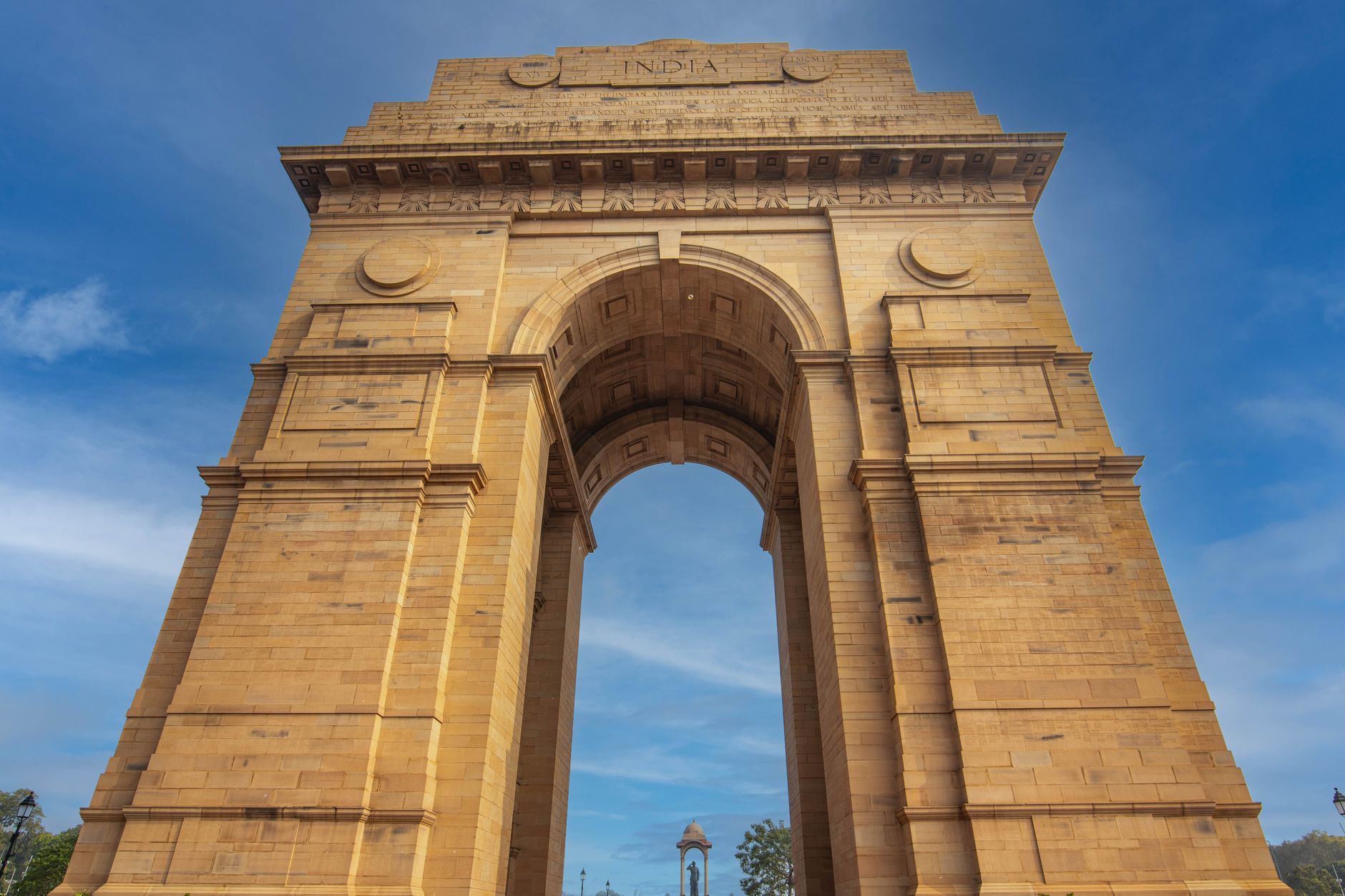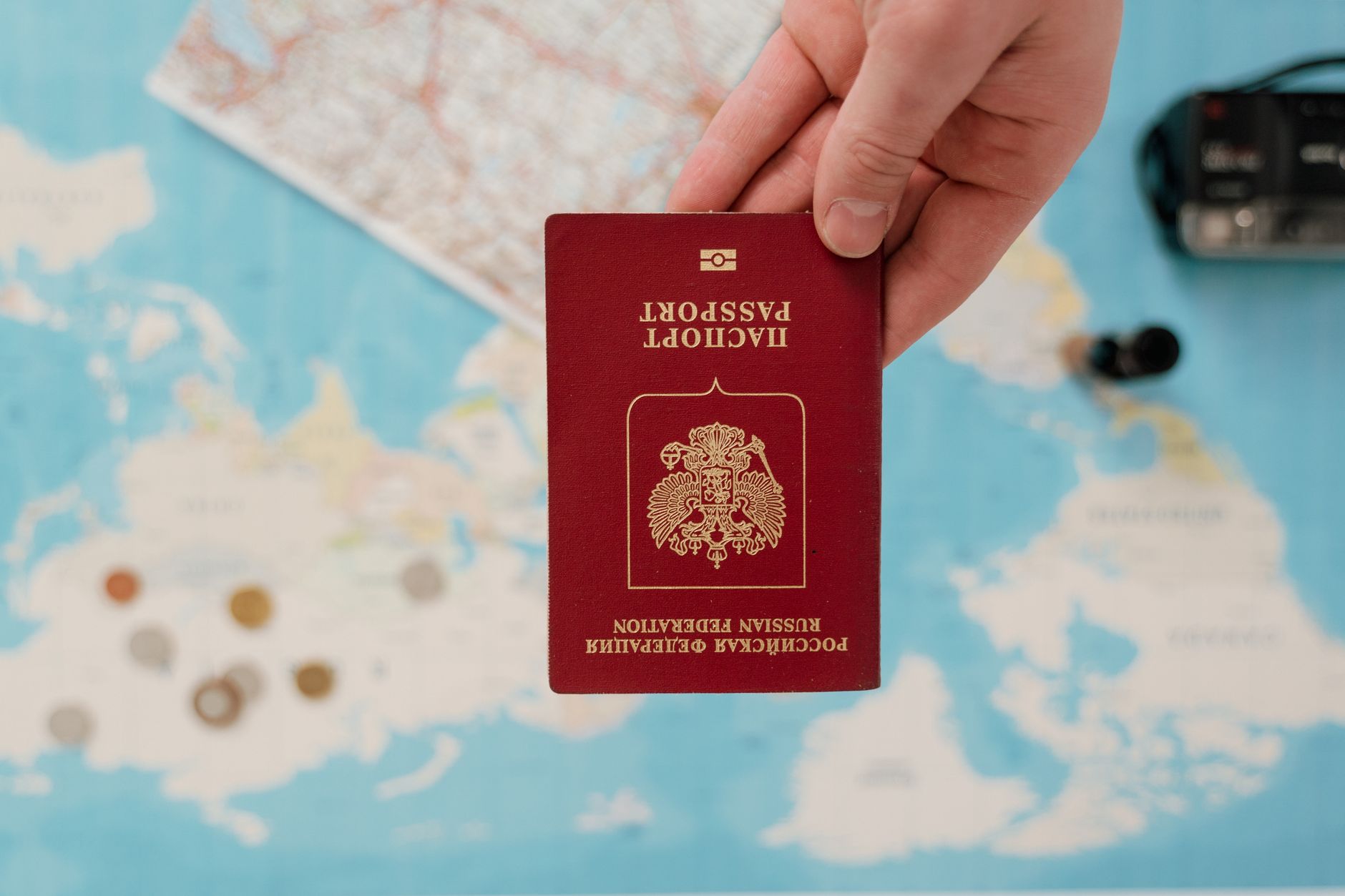
The World Travel & Tourism Council (WTTC), a global authority representing the travel and tourism sector, has issued a strong call for India to undertake comprehensive visa reforms and significantly boost investments in tourism infrastructure. This recommendation comes as India seeks to position itself as a premier global destination and capitalize on the post-pandemic travel boom.
Why Visa Reforms Matter for Indian Tourism
India's current visa system has long been identified as a bottleneck preventing the country from reaching its full tourism potential. Despite introducing e-visas for numerous countries, travelers still face challenges including lengthy processing times, complicated application procedures, and limited visa categories for different travel purposes.
The WTTC's emphasis on visa liberalization reflects a broader recognition that seamless entry processes directly correlate with tourist arrivals. Countries like Thailand, Singapore, and the UAE have demonstrated how visa-on-arrival schemes and simplified procedures can dramatically increase visitor numbers and tourism revenues.
For India, which welcomed approximately 10 million foreign tourists in 2022 and aims to reach pre-pandemic levels and beyond, visa reforms could be transformative. The organization has likely pointed to the need for:
- Expanding e-visa facilities to more countries
- Reducing processing times and fees
- Introducing longer-validity tourist visas
- Creating dedicated immigration channels at major airports
- Simplifying documentation requirements for genuine tourists
The Investment Imperative
Beyond visa issues, the WTTC has highlighted the critical need for greater investment in tourism infrastructure. India's tourism sector, while rich in cultural and natural assets, often struggles with infrastructure gaps that affect visitor experiences and limit the country's competitiveness against other Asian destinations.
Key investment areas likely emphasized include airport modernization, road connectivity to tourist destinations, hotel and accommodation standards, digital payment infrastructure, and tourist amenities like clean restrooms, signage, and information centers.
The government has made strides through initiatives like the Swadesh Darshan scheme for integrated tourist circuit development and PRASHAD for pilgrimage site improvements. However, the scale of investment required to match international standards remains substantial.
Economic Impact and Job Creation
The WTTC's recommendations are grounded in the sector's enormous economic potential. Travel and tourism contribute significantly to India's GDP, directly and indirectly supporting millions of jobs across hospitality, transportation, retail, and related sectors.
By removing visa barriers and improving infrastructure, India could capture a larger share of global tourism spending, which runs into trillions of dollars annually. This would generate employment opportunities, particularly in tier-2 and tier-3 cities where new tourism development could occur, helping distribute economic benefits more equitably across the country.
The multiplier effect of tourism spending means that every rupee invested in the sector generates additional economic activity through supply chains, local purchases, and service provision.
Global Competition and Positioning
India competes with established Asian tourism powerhouses like Thailand, Japan, and Indonesia, as well as emerging destinations. These countries have aggressively marketed themselves, invested in tourist-friendly infrastructure, and simplified entry procedures.
For India to stand out, it must leverage its unique selling points—ancient heritage sites, diverse landscapes from Himalayas to beaches, spiritual tourism, wellness traditions like Ayurveda, and vibrant cultural experiences—while ensuring these assets are accessible and enjoyable for international visitors.
The WTTC's recommendations essentially urge India to match its remarkable tourism assets with world-class facilitation and infrastructure.
Implementation Challenges
While the WTTC's recommendations are sound, implementation faces challenges including coordination between central and state governments, balancing security concerns with ease of access, securing adequate funding for infrastructure projects, and building capacity in the tourism workforce.
Successful reform will require political will, public-private partnerships, and sustained commitment beyond electoral cycles. The Ministry of Tourism will need to work closely with the Ministry of Home Affairs on visa issues and with state governments on local infrastructure improvements.
Moving Forward
As global travel rebounds strongly post-pandemic, India has a window of opportunity to capture growing demand, particularly from markets like the United States, Europe, and other Asian countries. The WTTC's call serves as both encouragement and a reminder that competing successfully in global tourism requires continuous improvement and investment.
For India's tourism sector to achieve its potential of becoming a top-five global destination, acting on these recommendations regarding visa reforms and infrastructure investment will be essential steps forward.