Primary healthcare represents the foundation of any robust health system, and in a country as vast and diverse as India, it serves as the critical first point of contact between individuals and the healthcare network. As India continues to grapple with a dual burden of communicable and non-communicable diseases, strengthening primary healthcare infrastructure has never been more important.
What Is Primary Healthcare
Primary healthcare encompasses the essential health services delivered at the community level, focusing on prevention, early diagnosis, and treatment of common illnesses. This includes routine check-ups, immunizations, maternal and child health services, management of chronic conditions like diabetes and hypertension, and health education. Unlike tertiary care facilities that handle complex medical cases, primary healthcare centres address everyday health concerns before they escalate into serious conditions.
In the Indian context, primary healthcare is delivered through a network of sub-centres, primary health centres, and community health centres, particularly in rural areas. Urban areas have their own primary health posts and dispensaries. These facilities are designed to bring healthcare closer to where people live, reducing the need for expensive and often unnecessary visits to specialty hospitals.
The Preventive Power of Primary Care
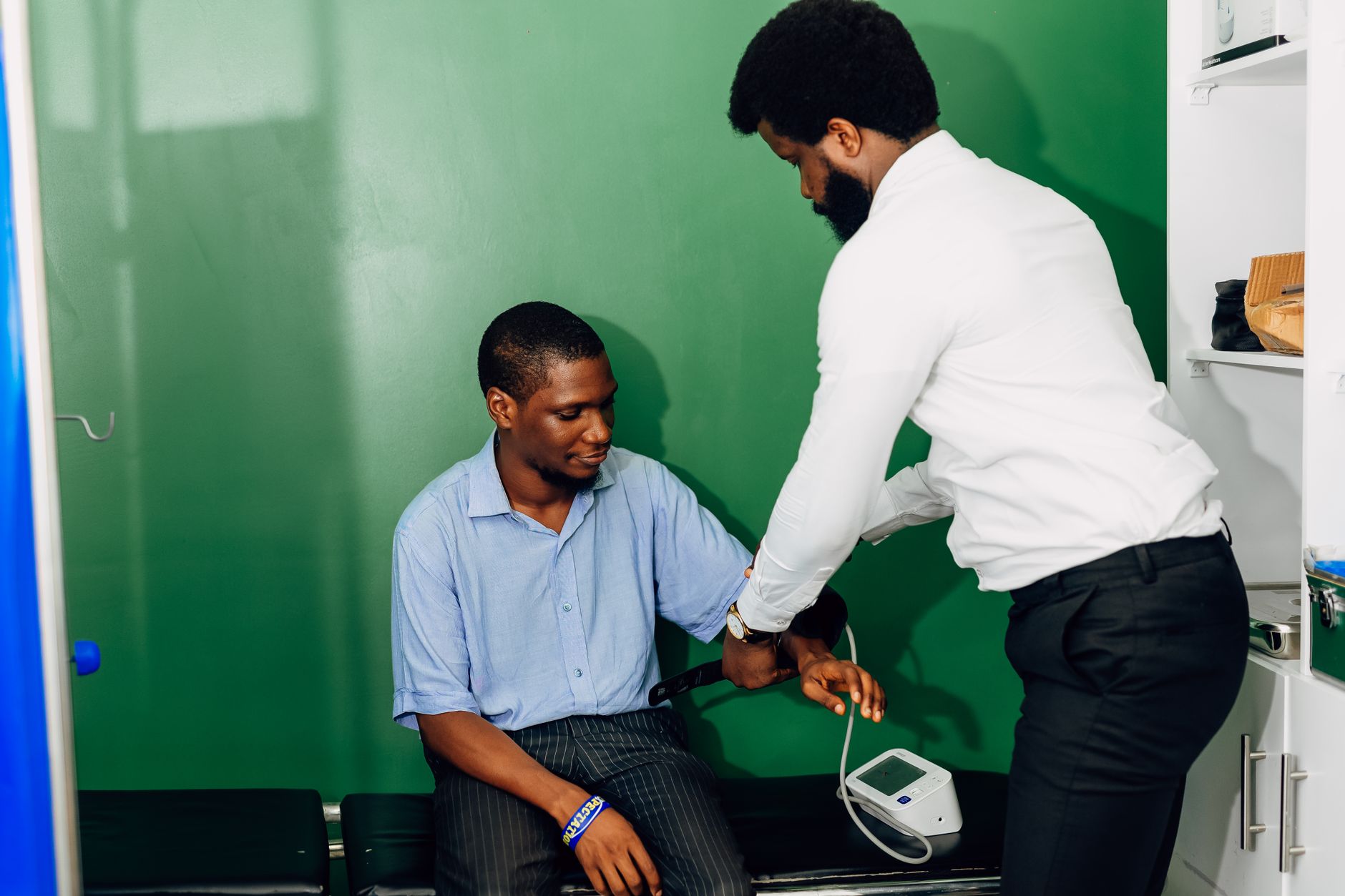
One of the most significant advantages of a strong primary healthcare system is its emphasis on prevention rather than cure. Regular health screenings can detect conditions like high blood pressure, diabetes, and early-stage cancers when they are most treatable. Immunization programmes administered at the primary level have virtually eliminated diseases like polio and significantly reduced the incidence of measles, tuberculosis, and other vaccine-preventable illnesses.
Primary healthcare workers also play a crucial role in health education, teaching communities about nutrition, hygiene, sanitation, and disease prevention. This knowledge empowers individuals to make better health choices, reducing the overall disease burden on the population.
Reducing the Burden on Tertiary Hospitals
India's major hospitals and specialty centres are often overwhelmed with patients, many of whom could have been treated at primary care facilities. When primary healthcare systems function effectively, they act as gatekeepers, filtering cases and referring only those requiring specialized intervention to higher-level facilities. This not only reduces overcrowding but also allows tertiary hospitals to focus their resources on complex cases requiring advanced medical expertise.
A patient with a common fever, for instance, can receive appropriate treatment at a primary health centre without occupying a bed in a district hospital. Similarly, chronic conditions like diabetes can be managed effectively at the primary level through regular monitoring, medication, and lifestyle counselling, reducing the risk of complications that would require hospitalization.
Accessibility and Affordability
For millions of Indians, particularly those in rural and remote areas, primary healthcare facilities represent the only accessible and affordable medical care option. These centres are typically free or charge minimal fees, making healthcare available to economically disadvantaged populations who cannot afford private medical services.
The presence of primary healthcare centres within communities also eliminates the need for long-distance travel, which can be both costly and time-consuming. For pregnant women requiring prenatal care or children needing vaccinations, having these services available locally is crucial for ensuring consistent healthcare access.
Challenges Facing Primary Healthcare
Despite its importance, India's primary healthcare system faces several challenges. Many facilities suffer from inadequate infrastructure, shortage of trained medical personnel, and insufficient supplies of medicines and diagnostic equipment. There is often a significant gap between sanctioned posts and actual staffing, particularly in rural areas where doctors are reluctant to work.
Additionally, there is a need for better integration between different levels of healthcare and improved referral systems. Digital health initiatives and telemedicine can help bridge some of these gaps, connecting primary care providers with specialists for consultation and guidance.
The Path Forward
Strengthening primary healthcare requires sustained investment in infrastructure, human resources, and technology. The Ayushman Bharat programme, with its focus on Health and Wellness Centres, represents a step in the right direction, aiming to deliver comprehensive primary healthcare services closer to communities.
Training more healthcare workers, improving working conditions, and leveraging technology for better service delivery will be essential. When primary healthcare is robust, the entire health system becomes more efficient, equitable, and capable of protecting population health.
This article is for general information purposes only and should not replace professional medical advice. Always consult qualified healthcare providers for medical concerns and treatment decisions.