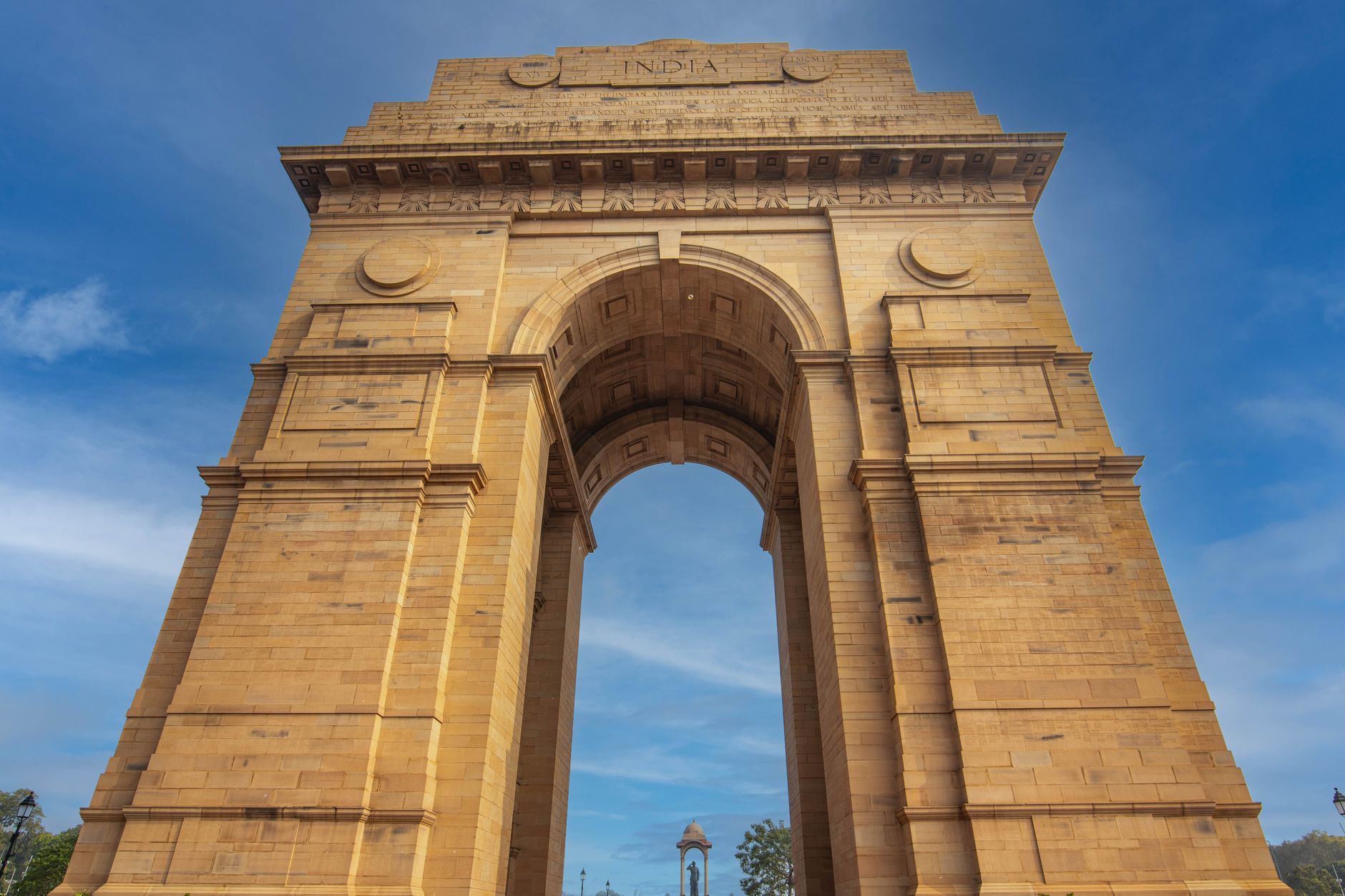
India's tourism sector stands at a crossroads. Despite being home to UNESCO World Heritage Sites, diverse landscapes, and rich cultural heritage, the country captures only a fraction of global tourist arrivals compared to regional competitors. The recent push by international tourism bodies for visa reforms and increased infrastructure investment shines a spotlight on long-standing barriers that have held back India's tourism potential.
The Current State of Indian Tourism
India welcomed approximately 9.2 million international tourists in 2019, before the pandemic disrupted global travel. While this number has been recovering, it pales in comparison to countries like Thailand (39 million), Malaysia (26 million), or even smaller nations like Vietnam (18 million). Domestic tourism, however, tells a different story, with over 2 billion domestic trips taken annually, showcasing Indians' appetite for travel within their own borders.
The tourism sector contributes roughly 6-7% to India's GDP and employs millions across hospitality, transport, and related services. Yet experts argue this contribution could be significantly higher with the right policy interventions.
Why Visa Reforms Matter
India's visa process has long been criticized for being cumbersome, expensive, and time-consuming compared to regional competitors. Several key issues include:
- Complex application procedures requiring multiple documents and lengthy processing times
- Higher visa fees compared to Southeast Asian destinations
- Limited e-visa facilities for certain nationalities
- Restricted tourist visa validity periods requiring frequent renewals for repeat visitors
- Uncertain processing times that make trip planning difficult
The e-visa scheme, introduced in 2014 and expanded over the years, was a step in the right direction. It now covers over 160 countries and includes categories for tourism, business, medical, and conference travel. However, the system still requires applications 4-30 days before arrival, unlike true visa-on-arrival schemes in competing destinations.
Learning from Regional Success Stories
Thailand's visa policies offer instructive lessons. The country provides visa-free entry for short stays to dozens of nationalities and has streamlined visa-on-arrival for others. This ease of access, combined with aggressive destination marketing, has made Thailand synonymous with hassle-free Asian travel.
Singapore and Malaysia have similarly liberal visa regimes, allowing Indian tourists visa-free or easy visa-on-arrival access while attracting substantial tourism revenue. These policies create a virtuous cycle: more visitors mean more revenue, which funds better infrastructure, which attracts even more tourists.
Infrastructure and Investment Gaps
Beyond visa issues, India faces infrastructure challenges that deter international tourists:
Airports in tier-2 and tier-3 cities often lack international connectivity, forcing tourists to stick to the Delhi-Agra-Jaipur "Golden Triangle" circuit. Hotels meeting international standards remain concentrated in major cities. Tourist sites frequently suffer from inadequate facilities, poor maintenance, and cleanliness concerns that feature prominently in traveller reviews.
Road connectivity to heritage sites can be poor, and last-mile transport options are often limited or unreliable. Signage in English and other foreign languages remains inconsistent outside major tourist hubs.
Economic Opportunities from Reform
The potential economic benefits of tourism reform are substantial. Every million additional international tourists could generate approximately $1.5-2 billion in foreign exchange and create hundreds of thousands of jobs across the value chain.
Tourism is particularly valuable because it's a "export" that happens on Indian soil, keeping all the economic multiplier effects within the country. Money spent on hotels, restaurants, shopping, and experiences circulates through the local economy multiple times.
The sector also offers employment opportunities across skill levels, from hotel managers and tour guides to drivers, artisans, and restaurant workers. For rural areas near tourist sites, tourism can provide economic opportunities that reduce urban migration.
Digital India Advantage
India's digital infrastructure, including UPI payments, smartphone penetration, and internet connectivity, actually gives it potential advantages in delivering seamless tourist experiences. A tourist-friendly digital ecosystem that integrates visa applications, transport bookings, digital payments, and emergency services could become a differentiator.
Apps that provide real-time translation, cultural information, and navigation assistance could enhance tourist comfort and safety, addressing common concerns about travelling in India.
The Path Forward
Meaningful reform requires coordinated action across multiple fronts: simplifying visa processes with longer validity periods and easier renewal, investing in tourism infrastructure beyond major cities, training hospitality workers in international service standards, maintaining and upgrading heritage sites, and launching professional destination marketing campaigns.
The potential rewards—increased foreign exchange earnings, job creation, and global soft power—make tourism development a strategic priority worth pursuing with urgency. For a country with India's cultural and natural wealth, punching below its weight in global tourism represents not just missed economic opportunity but an underutilization of national assets.