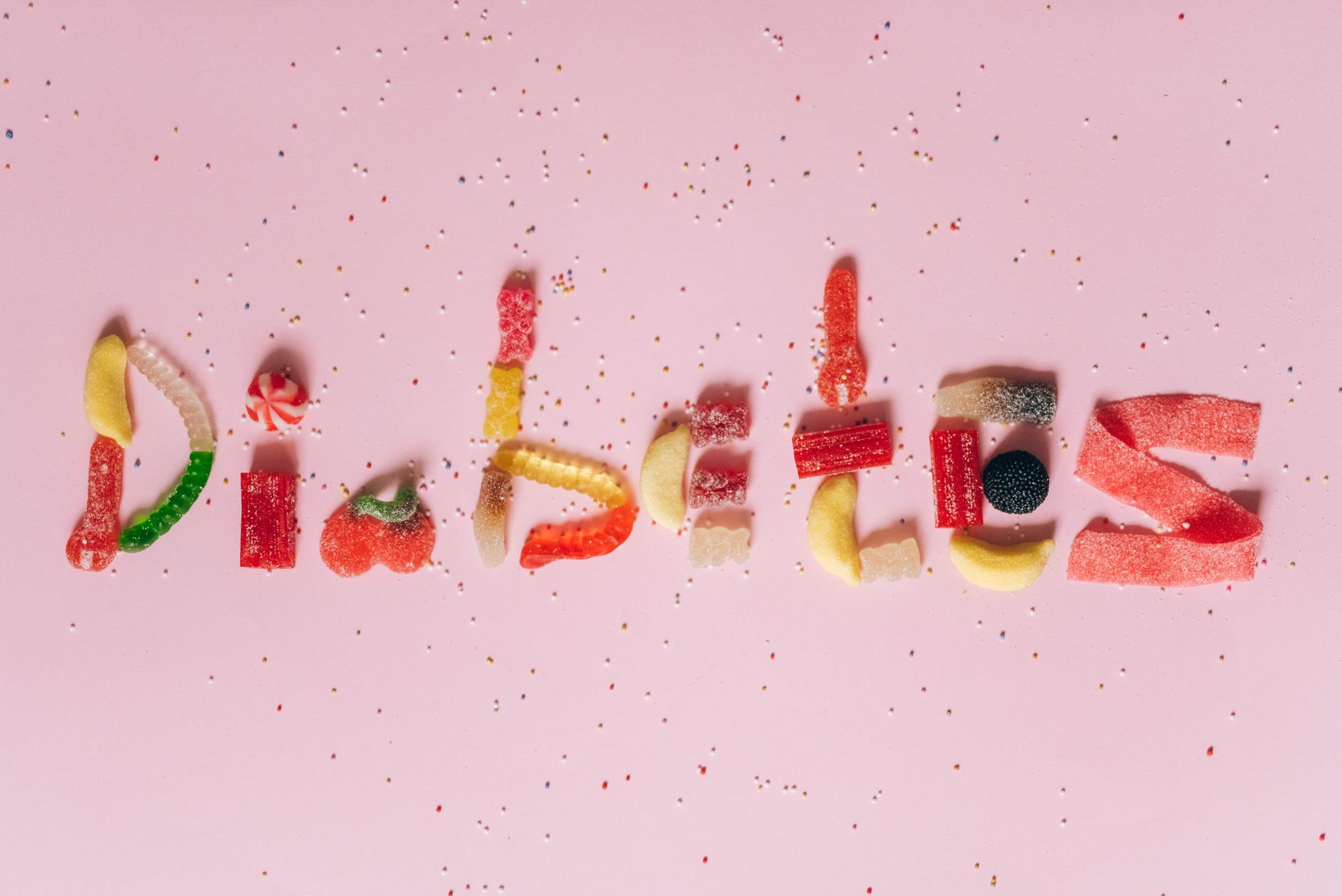
The National Institute of Nutrition has put forward a comprehensive policy brief recommending the implementation of health taxes on junk food and sugary drinks across India. This proposal arrives at a critical juncture when the country faces an unprecedented surge in lifestyle-related diseases, obesity, and diabetes, particularly among urban populations and increasingly in rural areas as well.
Understanding Health Taxes
Health taxes, also known as sin taxes or public health levies, are fiscal measures designed to discourage consumption of products deemed harmful to public health. Countries like Mexico, France, and the United Kingdom have successfully implemented such taxes on sugar-sweetened beverages, witnessing measurable reductions in consumption and improvements in public health indicators.
The proposed taxation would primarily target ultra-processed foods high in salt, sugar, and unhealthy fats, alongside carbonated drinks, packaged fruit juices with added sugars, and energy drinks. The rationale is straightforward: making unhealthy options more expensive while keeping nutritious whole foods affordable can nudge consumer behavior toward healthier choices.
India's Growing Health Crisis
India currently faces a dual burden of malnutrition and over-nutrition. While undernutrition remains a concern in several regions, obesity and related non-communicable diseases are spreading rapidly across all socioeconomic groups. Recent national health surveys indicate alarming trends in diabetes prevalence, with India often referred to as the diabetes capital of the world.
Urban lifestyles, increased disposable incomes, aggressive marketing of processed foods, and shifting dietary patterns have contributed to this health transition. Children and adolescents represent a particularly vulnerable demographic, with rising consumption of chips, instant noodles, carbonated beverages, and packaged snacks replacing traditional nutritious meals.
How the Tax Would Work
While specific tax rates have not been finalized, international models suggest levies ranging from 10 to 40 percent on the base price of targeted products. The tax structure could be implemented in several ways:
- Ad valorem taxes based on the product's retail price percentage
- Specific taxes calculated per unit volume or weight
- Tiered taxation based on sugar content or nutritional profile
- Additional GST surcharge on identified unhealthy food categories
Revenue generated from these taxes could be earmarked for public health initiatives, including nutrition education programs, subsidies for fresh fruits and vegetables, and strengthening healthcare infrastructure in underserved areas.
Expected Benefits and Challenges
Proponents argue that health taxes serve multiple purposes beyond revenue generation. They create price disincentives for unhealthy consumption, particularly among price-sensitive consumers. Studies from countries with existing sugar taxes show reductions in per capita consumption ranging from 6 to 12 percent within the first two years of implementation.
The policy could also incentivize food manufacturers to reformulate products with reduced sugar, salt, and unhealthy fats to avoid higher tax brackets. Several beverage companies in countries with sugar taxes have already launched low-sugar or zero-sugar alternatives in response to taxation.
However, implementation faces significant challenges. The food and beverage industry represents a substantial economic sector with considerable lobbying power. Critics argue that such taxes disproportionately affect lower-income households who spend a higher percentage of their income on food. There are also concerns about defining which products qualify as junk food and establishing clear nutritional thresholds.
Global Precedents
Mexico's sugar tax, implemented in 2014, led to a 12 percent reduction in sugary drink purchases after two years. The United Kingdom's Soft Drinks Industry Levy prompted major reformulation before the tax even took effect, with manufacturers reducing sugar content to avoid higher rates.
France taxes both sugary and artificially sweetened beverages, while several Indian states have experimented with local fat taxes on fast food items, though with mixed results due to enforcement challenges.
What Happens Next
The policy brief represents an important step in the deliberation process, but actual implementation requires extensive stakeholder consultations, economic impact assessments, and legislative action. The Ministry of Health and Family Welfare and the Ministry of Finance would need to collaborate on designing an effective tax structure that balances public health objectives with economic considerations.
Public awareness campaigns explaining the health rationale behind such measures would be crucial for acceptance. International experience suggests that clearly communicating how tax revenues will fund health programs increases public support for these policies.
This article is for general information purposes only and does not constitute medical, nutritional, or financial advice. Readers should consult qualified healthcare professionals for personalized health guidance and dietary recommendations.