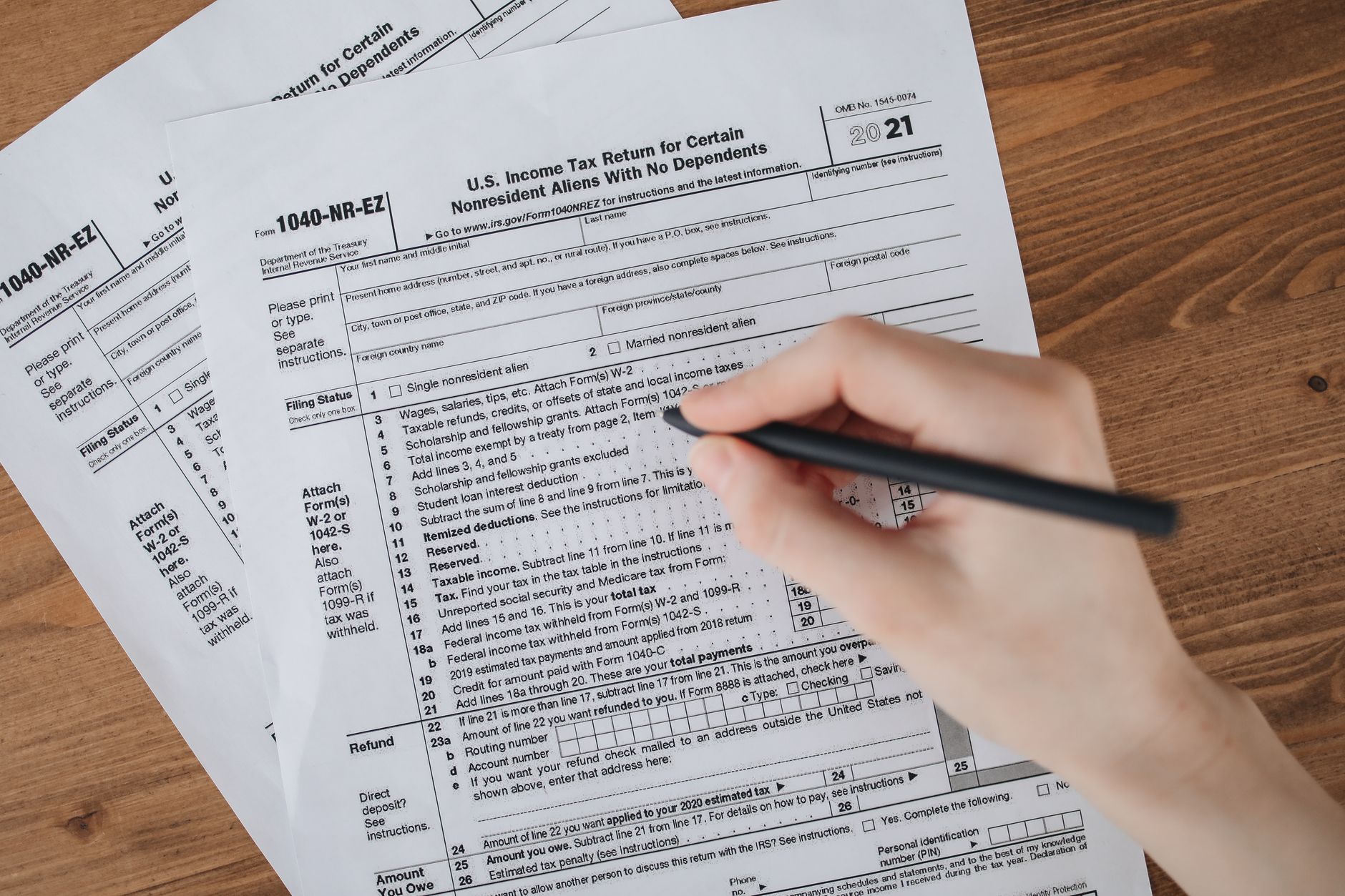
Filing income tax returns is a mandatory obligation for eligible taxpayers in India, but selecting the right ITR form can be confusing. The Income Tax Department has prescribed different ITR forms for different categories of taxpayers based on their income sources, residential status, and nature of income. Using the wrong form can lead to processing delays or rejection of your return.
Understanding Financial Year and Assessment Year
Before diving into ITR forms, it's important to understand the difference between Financial Year (FY) and Assessment Year (AY). FY 2025-26 refers to the period from April 1, 2025, to March 31, 2026—the year in which you earn income. AY 2026-27 is the year following the financial year, during which you assess and file returns for the income earned in FY 2025-26.
ITR-1 (SAHAJ)
ITR-1 is the simplest form, designed for resident individuals with straightforward income sources.
This form is applicable if your total income is up to Rs 50 lakh and includes:
- Income from salary or pension
- Income from one house property (excluding cases where loss is brought forward from previous years)
- Income from other sources (excluding lottery winnings and racehorse income)
- Agricultural income up to Rs 5,000
You cannot use ITR-1 if you are a director in a company, hold unlisted equity shares, have foreign assets or income, or are a non-resident.
ITR-2
ITR-2 caters to individuals and Hindu Undivided Families (HUFs) who do not have income from business or profession.
This form applies to:
- Individuals and HUFs with income exceeding Rs 50 lakh
- Those with capital gains from sale of property, stocks, or mutual funds
- Income from more than one house property
- Foreign income or assets
- Resident but not ordinarily resident (RNOR) or non-resident individuals
- Directors in companies or holders of unlisted equity shares
ITR-3
ITR-3 is for individuals and HUFs having income from a proprietary business or profession.
You must file ITR-3 if you are:
- A partner in a firm (even if not receiving remuneration)
- Running a proprietary business
- Practicing as a professional (doctor, lawyer, chartered accountant, architect, etc.)
This form requires detailed disclosure of business income, expenses, balance sheet, and profit and loss account.
ITR-4 (SUGAM)
ITR-4 is designed for presumptive income scheme taxpayers, making it easier for small businesses and professionals to file returns.
This form is for:
- Resident individuals, HUFs, and firms (other than LLPs) opting for presumptive taxation under Sections 44AD, 44ADA, or 44AE
- Total income up to Rs 50 lakh
- Business income computed on a presumptive basis (8% of turnover for digital transactions, 6% for others under Section 44AD)
- Professional income computed at 50% of gross receipts under Section 44ADA
ITR-5
ITR-5 is meant for entities other than individuals and HUFs.
This includes:
- Firms and Limited Liability Partnerships (LLPs)
- Association of Persons (AOPs)
- Body of Individuals (BOIs)
- Artificial Juridical Persons
- Co-operative societies
- Local authorities and estates of deceased persons
ITR-6
ITR-6 is exclusively for companies other than those claiming exemption under Section 11 (income from charitable or religious trusts).
All companies incorporated in India must file ITR-6, except:
- Companies claiming exemption under Section 11
- Companies required to file ITR-7
ITR-7
ITR-7 is for persons and entities required to furnish returns under specific sections of the Income Tax Act.
This includes:
- Charitable and religious trusts claiming exemption under Sections 139(4A), 139(4C), or 139(4D)
- Political parties
- Scientific research associations
- News agencies
- Universities and educational institutions
- Hospitals and medical institutions
How to Choose the Right ITR Form
To select the appropriate form, first identify all your income sources during FY 2025-26. Consider your residential status, whether you hold any foreign assets, and if you're running a business or profession. If you have multiple income sources, choose the form that covers all of them.
The Income Tax Department's website provides a utility to help determine which form applies to your situation. When in doubt, consulting a tax professional ensures compliance and helps avoid costly mistakes.
Common Mistakes to Avoid
Filing the wrong ITR form is a common error that can cause significant delays. Also, ensure all income sources are disclosed, including interest from savings accounts, fixed deposits, and capital gains. Keep supporting documents ready, including Form 16, bank statements, investment proofs, and property documents.
This article provides general information about ITR forms and should not be construed as professional tax advice. Tax laws are subject to change and individual circumstances vary. Please consult a qualified chartered accountant or tax advisor for guidance specific to your situation.