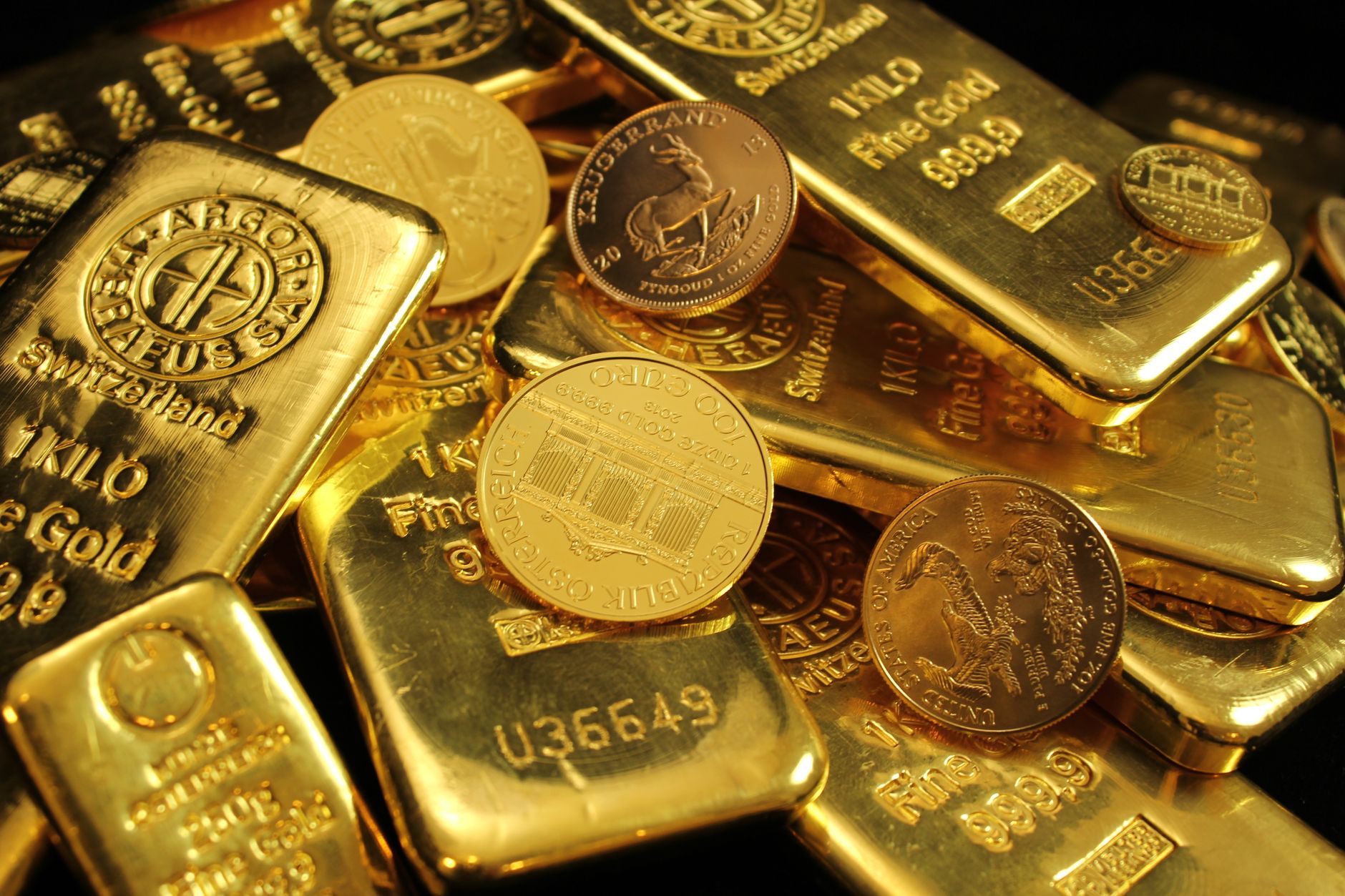
India's relationship with gold runs deep. As the world's second-largest consumer of the precious metal, the country's appetite for gold jewellery, coins, and bars remains unmatched. But behind the glittering displays in jewellery shops lies a sophisticated infrastructure that most Indians never see—the vaults of India's gold exchange system.
Understanding India's Gold Exchange Infrastructure
The establishment of dedicated gold exchanges in India marks a significant evolution from traditional gold trading. These exchanges operate on similar principles to stock markets, providing a regulated platform where standardized gold can be bought and sold. The vaults supporting these exchanges serve as secure storage facilities that ensure the physical gold backing electronic trades actually exists and meets quality standards.
Unlike traditional gold purchasing where you walk away with physical jewellery or coins, exchange-traded gold can be held in dematerialized form. The physical gold sits securely in these vaults while ownership changes hands electronically. This system reduces the costs and risks associated with physical delivery while maintaining the authenticity and purity of the underlying asset.
What Makes These Vaults Special
The vaults supporting India's gold exchange system are not ordinary storage facilities. They incorporate multiple layers of security including biometric access controls, 24/7 surveillance, and sophisticated alarm systems. The facilities are typically insured for substantial amounts and undergo regular audits to verify that the physical gold matches electronic records.
Quality Assurance and Standardization
One of the primary functions of exchange vaults is maintaining gold quality standards. All gold stored in these facilities must meet specific purity requirements, typically 99.5% or higher. Each bar is assayed, marked with unique identification numbers, and certified by approved refiners. This standardization eliminates the trust deficit that often plagues traditional gold transactions.
When you purchase gold through traditional channels, you must rely on the jeweller's word regarding purity. Exchange-backed gold removes this uncertainty entirely. The vault system ensures that every gram of gold meets international standards and can be verified independently.
How the Vault System Benefits Different Stakeholders
For retail investors, the vault system offers convenience and security. You can invest in gold without worrying about storage, insurance, or the risk of theft. The ability to purchase gold in smaller denominations—even fractions of a gram—makes it accessible to investors with limited capital.
Jewellers and businesses benefit from the liquidity and transparency these vaults provide. They can maintain gold inventories without the security concerns of on-premise storage. During periods of price volatility, businesses can hedge their positions using exchange mechanisms backed by vault-stored gold.
Banks and financial institutions utilize these vaults to support gold-linked financial products. Gold loans, gold bonds, and gold savings schemes all become more efficient when backed by exchange-verified, vault-stored gold.
The Technology Behind the Vaults
Modern gold vaults operate using blockchain and digital ledger technologies to maintain tamper-proof records of every transaction. Each bar's journey from refiner to vault to eventual delivery is tracked electronically. This creates an unbreakable chain of custody that prevents fraud and ensures accountability.
Radio-frequency identification (RFID) tags on gold bars allow for quick inventory verification without physically handling each piece. Automated storage and retrieval systems minimize human contact, reducing both security risks and operational errors.
India's Position in Global Gold Trading
By establishing world-class vault infrastructure, India aims to position itself as a major gold trading hub. Currently, most global gold price discovery happens in London and New York. With robust domestic infrastructure, India can reduce its dependence on international markets and potentially influence global gold pricing based on its massive demand.
The vault system also supports the government's ambition to create a transparent gold market that reduces smuggling and improves tax compliance. When more gold transactions happen through regulated exchanges backed by certified vaults, the entire ecosystem becomes more accountable.
Challenges and Future Outlook
Despite the sophistication of vault infrastructure, adoption remains gradual. Many Indians prefer physical possession of gold due to cultural and emotional attachments. Building trust in the vault-based system requires sustained consumer education and demonstrable reliability over time.
The integration of gold exchanges with existing financial infrastructure continues to evolve. As more financial products get linked to exchange-traded gold, the importance of secure, efficient vault operations will only increase.
This article provides general information about gold exchange infrastructure and should not be considered as investment advice. Readers should conduct their own research and consult certified financial advisors before making investment decisions involving gold or related financial products.