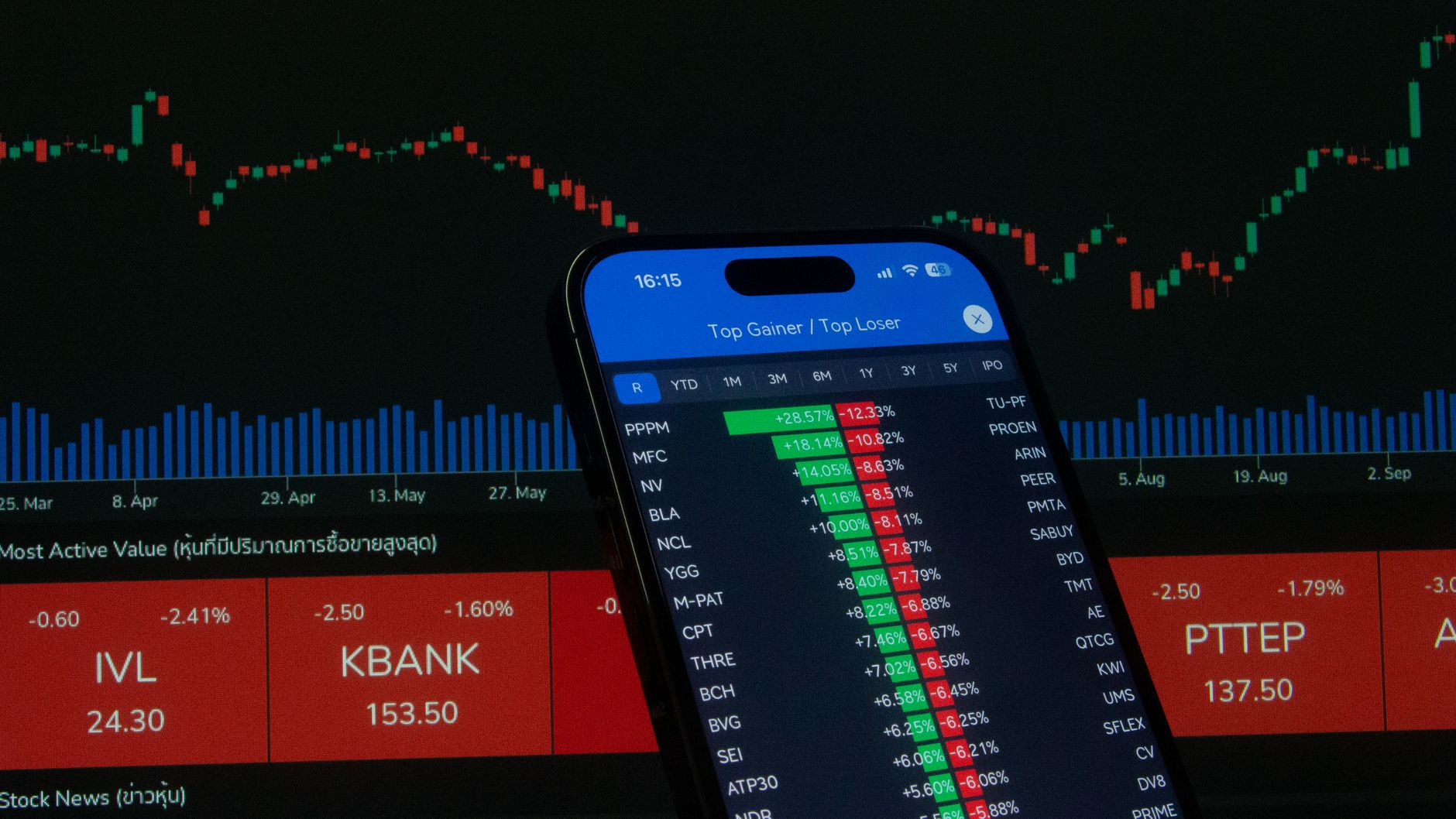
The Vietnamese stock market has emerged as an attractive destination for Indian investors looking to diversify their portfolios geographically and tap into one of Southeast Asia's fastest-growing economies. With India's own investment community becoming increasingly sophisticated and globally oriented, understanding Vietnam's market dynamics can unlock new growth opportunities.
Why Vietnam Appeals to Indian Investors
Vietnam has transformed itself into a manufacturing powerhouse over the past two decades, benefiting significantly from the US-China trade tensions that prompted many companies to diversify their supply chains. The country's GDP growth has consistently outpaced many regional peers, averaging around 6-7% annually in recent years, creating a robust environment for equity market expansion.
The Vietnamese economy shares several parallels with India's growth trajectory from previous decades, including a young demographic profile, rising middle class consumption, and ongoing urbanization. For Indian investors familiar with emerging market dynamics, these patterns offer a recognizable framework for analysis.
Understanding Vietnam's Stock Market Structure
Vietnam operates two primary stock exchanges: the Ho Chi Minh Stock Exchange (HOSE), which lists larger companies, and the Hanoi Stock Exchange (HNX), which typically features smaller enterprises. The market capitalization has grown substantially, though it remains modest compared to India's BSE and NSE.
The VN-Index, tracking the HOSE performance, has experienced significant volatility but has demonstrated long-term growth potential. Key sectors represented include banking, real estate, consumer goods, manufacturing, and technology, reflecting Vietnam's economic composition.
Investment Routes Available to Indian Investors
Indian investors have several pathways to access Vietnamese equities:
- Direct stock purchases through international brokerage accounts that offer access to Vietnamese exchanges
- Exchange-traded funds (ETFs) focused on Vietnam or broader Southeast Asian markets
- Mutual funds with Vietnam or ASEAN allocation
- Foreign institutional investment through registered channels
Each route comes with different regulatory requirements, cost structures, and practical considerations regarding currency conversion and repatriation.
Key Sectors Driving Vietnamese Market Growth
The banking sector dominates Vietnamese equity indices, with major lenders benefiting from financial deepening as more citizens enter the formal banking system. Vietnam's banks are experiencing growth patterns similar to what Indian banks witnessed during India's economic liberalization phase.
Manufacturing and export-oriented industries form another cornerstone, particularly electronics, textiles, and footwear. Companies serving as suppliers to global brands have shown consistent revenue growth, supported by foreign direct investment inflows.
The consumer goods and retail sectors are expanding rapidly as Vietnamese household incomes rise. This creates opportunities in companies serving domestic consumption, from food and beverage producers to retail chains.
Real estate and infrastructure development companies also feature prominently, though this sector can be subject to regulatory changes and cyclical pressures.
Challenges and Considerations
Foreign ownership limits remain a significant constraint in Vietnamese markets. The government restricts foreign ownership in many companies to 49% or less, and popular stocks often hit these caps, limiting accessibility for international investors.
Currency risk represents another consideration, as the Vietnamese dong is subject to managed float policies. Investors must account for potential exchange rate fluctuations affecting returns when converted back to Indian rupees.
Market liquidity can be lower than India's major exchanges, potentially making entry and exit more challenging for larger positions. Trading hours and settlement processes also differ from Indian market conventions.
Regulatory and transparency standards, while improving, may not match those of more developed markets. Conducting thorough due diligence becomes essential, and language barriers can complicate research efforts.
Strategic Considerations for Indian Portfolios
For Indian investors, Vietnamese equities offer diversification benefits, as the market's correlation with Indian indices is relatively low. This can help reduce overall portfolio volatility while accessing different growth drivers.
The risk-return profile suits investors with moderate to high risk tolerance and a long-term investment horizon of at least 5-7 years. Short-term traders may find the market's characteristics less accommodating.
Position sizing should reflect the additional risks involved in frontier market investing. Most advisors suggest limiting emerging or frontier market exposure to 5-15% of an overall investment portfolio.
Getting Started
Before investing, Indians should ensure compliance with Reserve Bank of India's Liberalized Remittance Scheme regulations, which permit resident individuals to remit up to USD 250,000 per financial year for permissible current or capital account transactions, including overseas investments.
Working with brokers or platforms experienced in Southeast Asian markets can simplify the process and help navigate local regulations and tax implications.
This article is for informational purposes only and should not be considered investment advice. Investors should conduct their own research, assess their risk tolerance, and consult with qualified financial advisors before making international investment decisions. Currency, regulatory, and market risks apply to foreign investments.