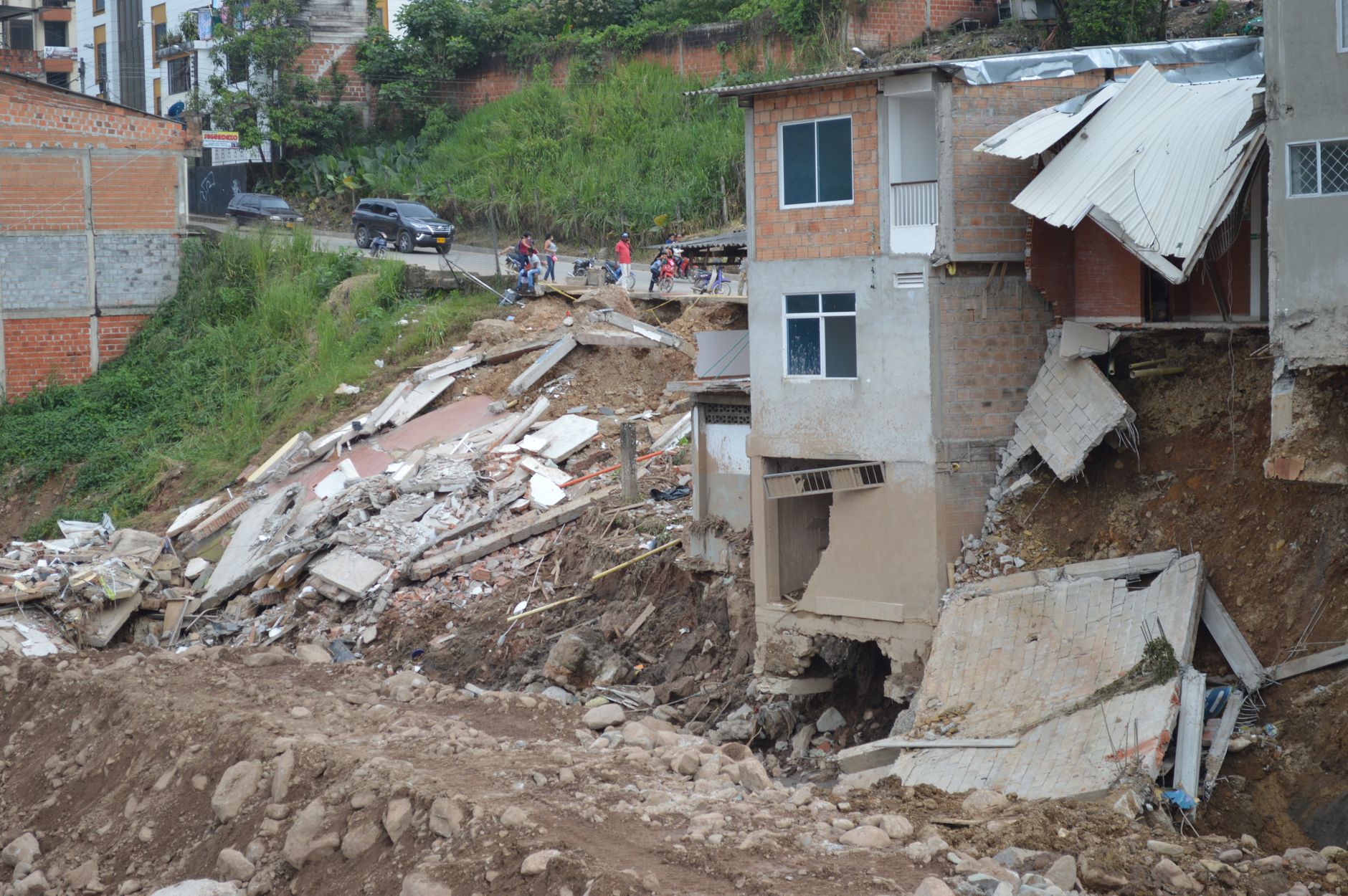
The aftermath of a major earthquake extends far beyond the initial destruction of buildings and infrastructure. In Venezuela, recovery efforts are now confronting a secondary health crisis that often proves as dangerous as the initial disaster itself. Understanding these post-earthquake health risks is crucial for disaster preparedness globally, including in earthquake-prone regions of India.
The Triple Threat of Post-Earthquake Health Hazards
Following significant seismic events, three primary health concerns emerge that can affect communities for weeks or months. Contaminated water supplies, airborne dust particles, and hazardous debris create a perfect storm of health risks that require immediate attention and systematic response.
Water contamination typically occurs when earthquakes rupture underground pipes, allowing sewage to mix with drinking water supplies. This creates conditions for waterborne diseases to spread rapidly through affected populations. Cholera, typhoid, and dysentery become serious threats, particularly in areas with limited access to clean water or medical facilities.
Why Dust Becomes a Serious Health Concern
The collapse of buildings generates enormous quantities of fine particulate matter that remains suspended in the air for extended periods. This dust contains not just pulverised concrete and soil, but also potentially hazardous materials like asbestos, silica, and other building materials that were common in older construction.
When inhaled, this dust can cause immediate respiratory irritation, triggering asthma attacks and breathing difficulties. Long-term exposure poses even greater risks, including the development of silicosis, a chronic lung disease, and increased cancer risk from asbestos exposure. Children, elderly individuals, and those with pre-existing respiratory conditions face the greatest vulnerability.
Rescue and recovery workers, who spend extended hours in dusty environments, require proper protective equipment including N95 masks or respirators. However, in disaster situations, such equipment often becomes scarce, leaving many workers and survivors exposed to dangerous levels of particulate matter.
Debris-Related Injuries and Infections
The physical hazards of navigating through earthquake debris cannot be understated. Sharp metal fragments, broken glass, exposed rebar, and unstable structures create numerous opportunities for traumatic injuries. Puncture wounds from rusty nails or metal pose particular concern due to tetanus risk.
Even minor cuts and abrasions become serious when medical infrastructure is compromised. Without access to clean water for wound cleaning and limited availability of antibiotics, simple injuries can develop into life-threatening infections. Tetanus, bacterial infections, and sepsis rates typically surge in post-earthquake environments.
The Sanitation Challenge
Damaged sewage systems and the lack of functioning toilets force survivors into makeshift sanitation arrangements. This breakdown in basic hygiene infrastructure creates ideal conditions for disease transmission. Temporary camps housing displaced persons face particular challenges in maintaining sanitary conditions, especially when large numbers of people concentrate in small areas.
Vector-borne diseases also emerge as a concern. Standing water in debris provides breeding grounds for mosquitoes, potentially leading to outbreaks of dengue, malaria, or other mosquito-transmitted illnesses. Rats and other disease-carrying pests thrive in debris-filled environments, further complicating public health efforts.
Lessons for Earthquake-Prone Regions
India's vulnerability to seismic activity, particularly in Himalayan regions and parts of Gujarat, Maharashtra, and the Northeast, makes these lessons directly relevant. Building resilient water infrastructure, maintaining stockpiles of protective equipment, and having rapid-response health protocols can significantly reduce post-earthquake health impacts.
Community awareness about post-disaster health risks proves equally important. Knowing to boil water, wear masks in dusty environments, and seek immediate treatment for wounds can save lives when formal healthcare systems are overwhelmed.
International Response and Support
Post-earthquake health crises require coordinated international assistance. Medical teams, water purification equipment, and public health expertise from around the world become essential components of effective recovery efforts. Organizations like the World Health Organization and various international NGOs play crucial roles in addressing these complex health emergencies.
The situation in Venezuela highlights how natural disasters can compound existing challenges in healthcare infrastructure and resource availability. Countries with more robust disaster preparedness frameworks can better protect their populations from these secondary health threats that emerge in the wake of major earthquakes.
This article is intended for general informational purposes only and should not replace professional medical advice. If you are in an earthquake-affected area, please follow guidance from local health authorities and seek immediate medical attention for any injuries or health concerns.