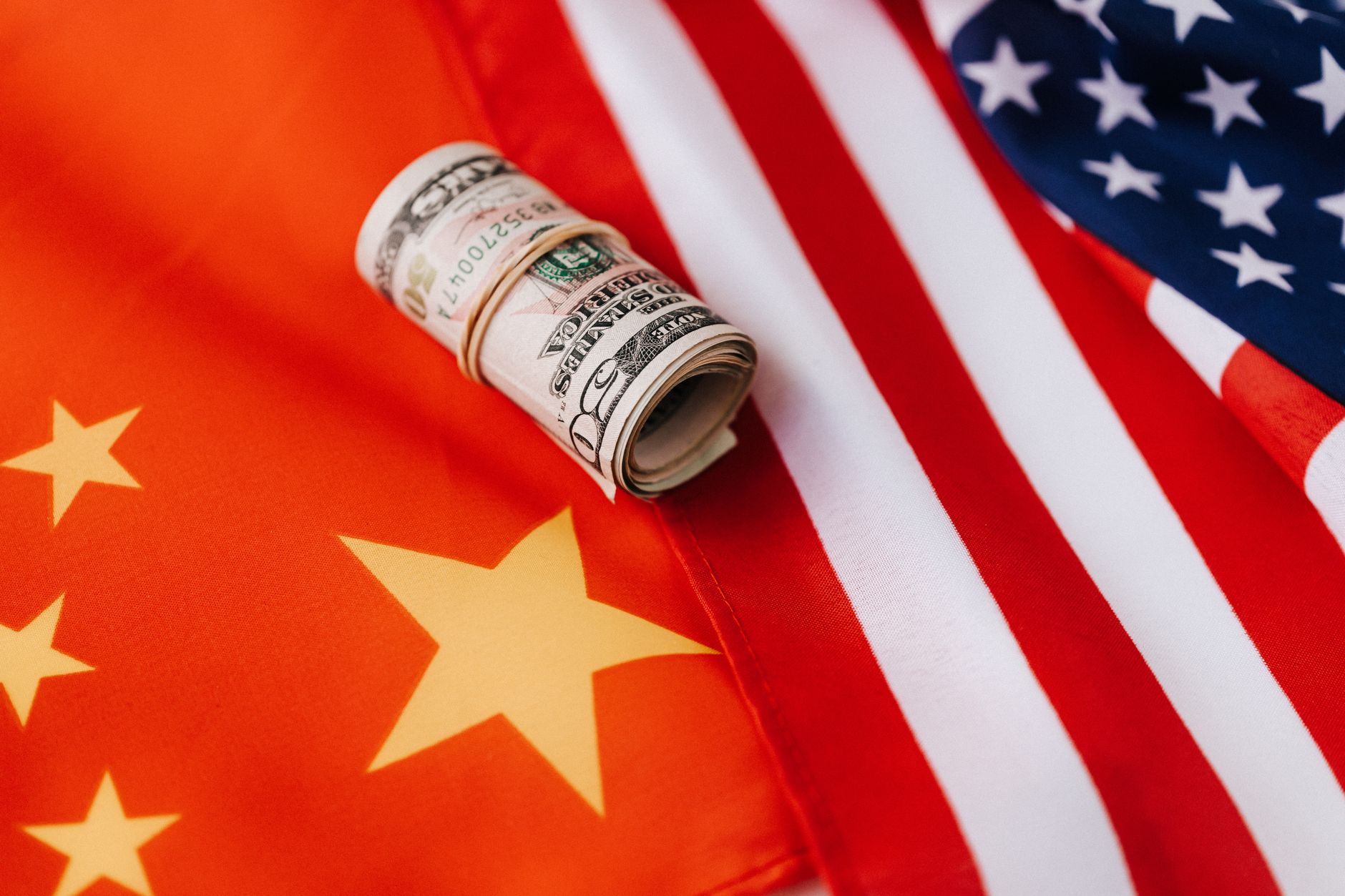
The global investment landscape presents Indian investors with an intriguing dilemma. While US equity markets continue their upward march, setting new records seemingly every month, Chinese stocks remain deeply discounted compared to their historical valuations. This divergence has left many wondering where to allocate their international investment dollars.
Understanding the US Market Rally
The US stock market's sustained rally reflects several fundamental strengths. American technology giants continue to dominate global innovation, particularly in artificial intelligence, cloud computing, and digital services. The US economy has demonstrated remarkable resilience, with strong consumer spending and corporate earnings growth supporting equity valuations.
However, investing at record highs comes with inherent risks. Valuations in many US sectors have stretched beyond historical averages, meaning investors are paying premium prices for each unit of earnings. The price-to-earnings ratios of major indices like the S&P 500 suggest limited room for further multiple expansion, making future returns more dependent on actual earnings growth rather than valuation increases.
The Chinese Market Opportunity
Chinese stocks present the opposite picture. Years of regulatory crackdowns, geopolitical tensions, and concerns about economic growth have pushed valuations to multi-year lows. Many quality Chinese companies trade at significant discounts to their global peers, offering potentially attractive entry points for patient investors.
The Chinese government has recently shifted toward more market-friendly policies, including stimulus measures and easing of regulatory pressures on technology companies. The world's second-largest economy still offers substantial growth potential, particularly in domestic consumption, renewable energy, and advanced manufacturing sectors.
Key Considerations for Indian Investors
Before rushing into either market, Indian investors should evaluate several factors:
- Risk tolerance and investment horizon: US markets offer relative stability but limited upside at current valuations, while Chinese markets present higher volatility with potentially greater returns
- Currency exposure: Both investments expose you to foreign exchange risk against the rupee
- Regulatory environment: China's government maintains significant control over markets and can implement sudden policy changes
- Diversification benefits: Both markets have relatively low correlation with Indian equities during certain periods
- Tax implications: International investments have different tax treatment than domestic equity investments
The Case for Diversification
Rather than choosing one market exclusively, most financial advisors recommend a balanced approach to international investing. A globally diversified portfolio can reduce concentration risk and provide exposure to different economic cycles and growth drivers.
Consider allocating international exposure based on your overall portfolio size and risk profile. Conservative investors might limit foreign equity exposure to 10-15% of their total portfolio, while more aggressive investors could go higher. Within that allocation, splitting between developed markets (like the US) and emerging markets (like China) can provide balanced exposure.
Practical Investment Options
Indian investors have several vehicles to access these markets:
- International mutual funds and ETFs that invest in US or Chinese equities
- Direct stock purchases through international trading accounts offered by Indian brokers
- Fund of funds that invest in foreign mutual funds or ETFs
- Feeder funds from Indian asset management companies with foreign exposure
Each option carries different cost structures, tax implications, and convenience factors. International mutual funds offer professional management and easier compliance with regulations, while direct investing provides more control but requires greater research and monitoring.
Timing and Rebalancing
Attempting to time markets perfectly is notoriously difficult. Rather than going all-in on either market, consider a systematic investment approach. Regular contributions to international funds through SIPs can help average out entry prices and reduce timing risk.
Establish a target allocation and rebalance periodically. If Chinese stocks rally significantly while US markets correct, rebalancing would involve selling some China exposure and adding to US holdings, maintaining your desired risk profile while naturally buying low and selling high.
The Verdict
Both US and Chinese markets offer distinct opportunities and risks for Indian investors. The US provides stability and exposure to global innovation leaders, though at premium valuations. China offers compelling valuations and growth potential, but with higher regulatory and geopolitical risks.
Rather than viewing this as an either-or decision, consider both markets as complementary components of a well-diversified international portfolio. Your specific allocation should reflect your investment goals, risk tolerance, and time horizon.
This article is for informational purposes only and does not constitute financial advice. Please consult with a qualified financial advisor to understand how international investments fit your specific circumstances, risk profile, and financial goals before making investment decisions.