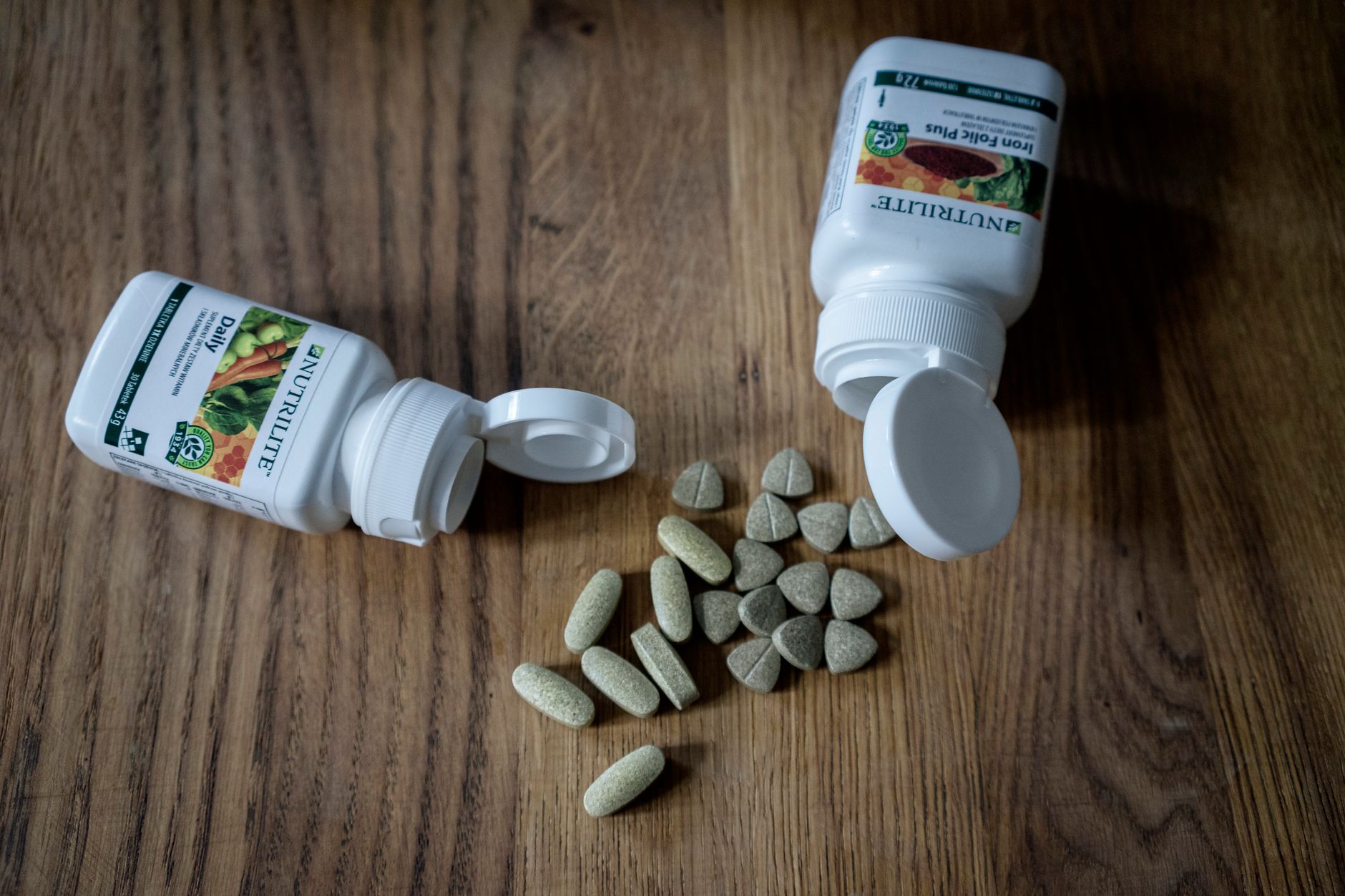
The global nutraceutical industry has witnessed remarkable growth over the past decade, with consumers increasingly turning to dietary supplements, functional foods, and herbal products to support their health and wellness goals. A recent partnership between two prominent industry organizations—the Organic & Natural Health Association and SHEFEXIL—signals a significant step toward strengthening the supply chain connecting the United States and India, two of the world's largest markets for health supplements.
Understanding the Nutraceutical Market
Nutraceuticals represent a broad category of products that sit at the intersection of nutrition and pharmaceuticals. These include vitamins, minerals, herbal supplements, probiotics, omega-3 fatty acids, and fortified foods that offer health benefits beyond basic nutrition. India has emerged as a major global supplier of nutraceutical ingredients, thanks to its rich biodiversity, traditional knowledge systems like Ayurveda, and established pharmaceutical manufacturing capabilities.
The United States, meanwhile, represents one of the world's largest consumer markets for these products, with Americans spending billions annually on dietary supplements. However, the supply chain connecting Indian manufacturers with American consumers has historically faced challenges including regulatory compliance issues, quality assurance concerns, and logistical complexities.
Why This Partnership Matters
This collaboration between industry bodies aims to address several key bottlenecks in the bilateral nutraceutical trade. By bringing together expertise from both countries, the partnership seeks to:
- Establish clearer pathways for regulatory compliance with US FDA standards
- Improve quality control and testing protocols for exported ingredients
- Facilitate knowledge sharing about traditional ingredients and modern applications
- Create more efficient logistics and distribution channels
- Build trust between manufacturers, importers, and retailers in both markets
For Indian exporters, particularly small and medium-sized enterprises, navigating the complex US regulatory environment can be daunting. The partnership aims to provide guidance and support to help these businesses meet American standards while maintaining competitive pricing.
Impact on Consumers and Industry
The strengthening of this supply chain could have several positive effects for consumers in both nations. American consumers may benefit from increased access to traditional Indian ingredients like ashwagandha, turmeric, tulsi, and triphala, often at more competitive prices. Indian consumers, in turn, could gain access to advanced formulations and quality standards that become industry benchmarks.
For manufacturers and brands, improved supply chain efficiency means reduced costs, faster time-to-market for new products, and greater transparency throughout the production process. This can be particularly important in an industry where product authenticity and ingredient sourcing have become major consumer concerns.
Regulatory and Quality Considerations
One of the most critical aspects of international nutraceutical trade involves ensuring products meet the destination country's regulatory requirements. In the United States, dietary supplements are regulated under the Dietary Supplement Health and Education Act, which sets specific standards for manufacturing practices, labeling, and safety.
Indian manufacturers exporting to the US must comply with Good Manufacturing Practices and provide documentation verifying the identity, purity, and composition of ingredients. The partnership aims to streamline this compliance process while maintaining rigorous quality standards.
Traditional Knowledge Meets Modern Science
India's centuries-old systems of traditional medicine offer a wealth of botanical ingredients that are increasingly being validated by modern scientific research. This partnership could accelerate the integration of traditional Indian herbs and formulations into mainstream Western nutraceutical markets, provided they meet safety and efficacy standards.
However, this also raises important questions about intellectual property, sustainable sourcing, and ensuring that traditional knowledge is respected and appropriately compensated. Industry collaborations must address these concerns to create truly equitable partnerships.
Future Outlook
As global demand for natural health products continues to grow, strengthening international supply chains becomes increasingly important. This partnership represents a model for how industry organizations can work across borders to create more efficient, transparent, and reliable systems for bringing health products to consumers.
The success of this initiative could pave the way for similar collaborations involving other countries and regions, ultimately contributing to a more robust and resilient global nutraceutical industry.
This article is for general informational purposes only and should not be considered medical advice. Consumers should consult healthcare professionals before starting any new supplement regimen, and should verify that products meet applicable regulatory standards in their jurisdiction.