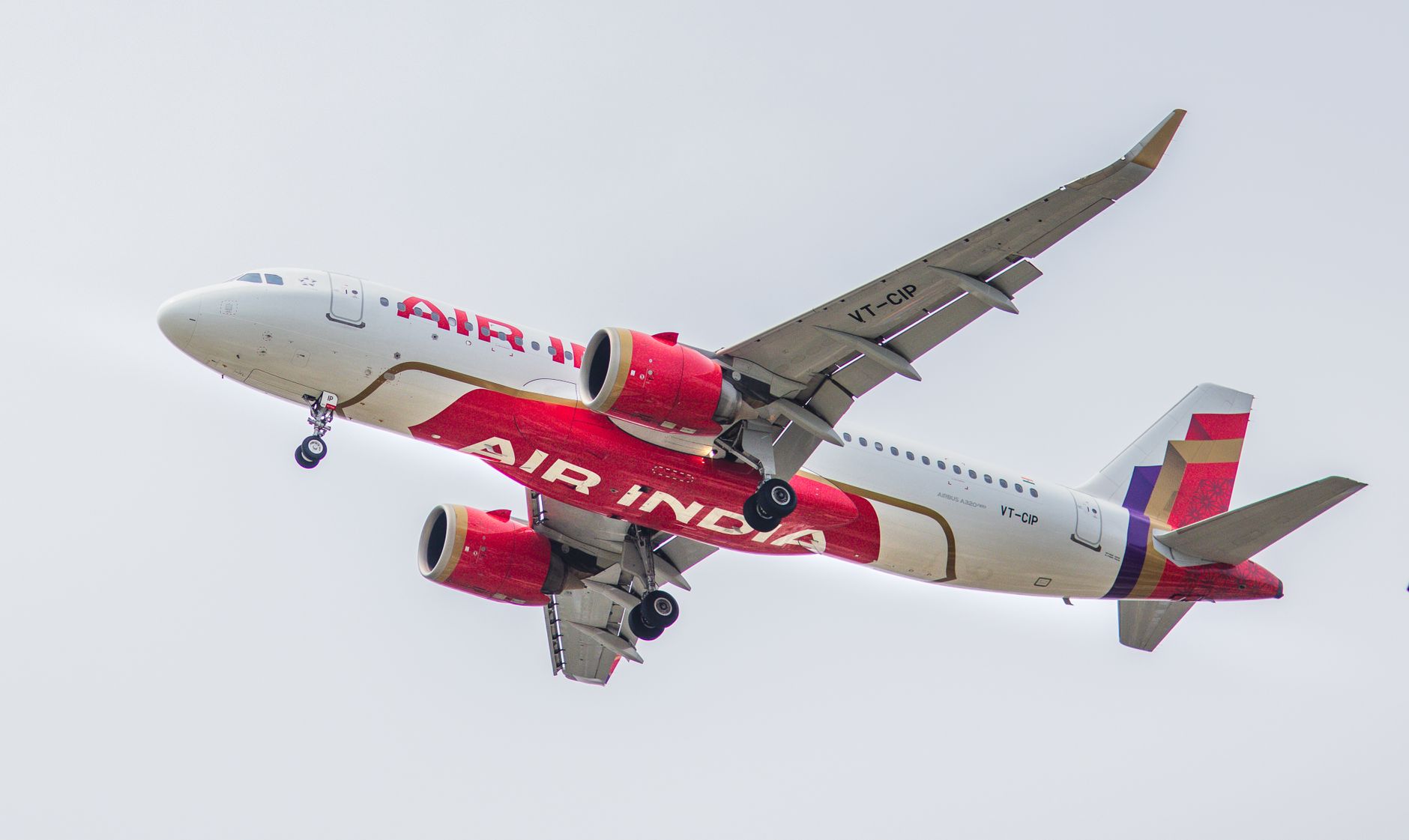
The Indian government's tourism ministry has formalized a strategic partnership with the national carrier Air India to amplify India's presence in global tourism markets. This collaboration marks a significant step in coordinating efforts between aviation and tourism sectors to position India more competitively on the world stage.
Strategic Alignment for Tourism Growth
The partnership between the Tourism Ministry and Air India comes at a crucial time when India is actively working to reclaim its position in international tourism following the pandemic-induced slowdown. By combining the ministry's promotional expertise with Air India's expanding route network, the agreement seeks to create synergies that benefit both entities while driving tourist arrivals to India.
Air India's recent expansion under new ownership has seen the airline add numerous international destinations and modernize its fleet. This growth trajectory aligns well with the government's ambition to increase foreign tourist arrivals and tourism revenue, making the partnership a natural fit.
Key Components of the Collaboration
While specific details of the agreement vary, such partnerships typically encompass several strategic areas:
- Joint marketing campaigns in key source markets including North America, Europe, and Southeast Asia
- Co-branded promotional materials highlighting India's diverse tourism offerings
- Special fare packages combining flight bookings with tourism experiences
- Coordination on route planning to improve connectivity to tourism destinations
- Participation in international travel trade shows and tourism exhibitions
- Digital marketing initiatives leveraging both organizations' online platforms
The partnership likely focuses on creating integrated marketing messages that showcase India's cultural heritage, natural beauty, adventure tourism, wellness offerings, and emerging destinations alongside Air India's improved service standards and connectivity.
Benefits for Indian Tourism
This collaboration addresses a fundamental challenge in tourism promotion—the disconnect between marketing a destination and the actual ease of reaching it. By working directly with the national carrier, the Tourism Ministry can ensure that promotional campaigns align with flight availability and capacity.
Enhanced air connectivity to tier-two and tier-three cities with tourism potential could emerge as a major outcome. Destinations like Guwahati for Northeast tourism, Bhubaneswar for temple circuits, or Amritsar for heritage tourism could see improved international connectivity, reducing dependence on gateway cities like Delhi and Mumbai.
The partnership also provides opportunities for data sharing and market intelligence. Air India's booking patterns and passenger demographics can inform the Tourism Ministry's targeting strategies, while tourism trends can guide Air India's route planning decisions.
Competitive Positioning
India competes with numerous Asian destinations for international tourist dollars. Countries like Thailand, Vietnam, and Malaysia have successfully leveraged their national carriers in tourism promotion. This partnership brings India's approach more in line with global best practices where aviation and tourism authorities work in close coordination.
The collaboration could prove particularly valuable in markets where Air India has a strong presence or is expanding operations. Non-stop flights often serve as powerful marketing tools for destinations, and joint campaigns can maximize this advantage.
Impact on Travel Experience
Beyond marketing, such partnerships often lead to tangible improvements in the travel experience. Air India may introduce special services for tourists, such as multilingual announcements about Indian destinations, in-flight tourism content, or simplified baggage policies for travelers with extended itineraries within India.
The collaboration might also facilitate better integration between international and domestic travel, making it easier for foreign visitors to explore multiple destinations across India during a single trip.
Economic Implications
Tourism remains a significant employment generator and foreign exchange earner for India. The sector's growth has multiplier effects across hospitality, transportation, retail, and cultural industries. By boosting international arrivals through improved connectivity and coordinated marketing, the partnership contributes to broader economic goals.
The agreement also signals government commitment to supporting Air India's commercial success by leveraging it as an instrument of soft power and economic development rather than viewing aviation and tourism promotion as separate policy domains.
Looking Ahead
The success of this partnership will depend on execution quality and sustained commitment from both parties. Effective coordination mechanisms, adequate budget allocation for joint campaigns, and regular performance monitoring will be crucial.
As India targets ambitious tourism growth figures in coming years, such collaborative frameworks between government agencies and commercial entities represent a pragmatic approach to pooling resources and expertise for national objectives.