Taiwan is taking a strategic approach to attract Indian tourists by implementing a co-investment familiarization (FAM) trip model, a move that signals the destination's serious commitment to one of the world's most promising tourism markets. This innovative approach reflects the evolving dynamics of international tourism marketing and Taiwan's ambition to increase its share of Indian outbound travelers.
Understanding the FAM Trip Model
Familiarization trips have long been a cornerstone of tourism marketing. These curated journeys allow travel agents, tour operators, and media representatives to experience a destination firsthand, enabling them to better sell and promote it to potential customers. Traditionally, destination marketing organizations bear the entire cost of hosting these trips.
The co-investment model represents a departure from this conventional approach. Under this structure, both the tourism board and participating travel partners contribute financially to the FAM trip expenses. This shared investment creates a partnership where both parties have skin in the game, potentially leading to more committed promotional efforts and better-aligned business objectives.
Why India Matters to Taiwan
India's outbound tourism market has experienced remarkable growth over the past decade. With a burgeoning middle class, increasing disposable incomes, and a young population eager to explore international destinations, India has become a priority market for tourism boards worldwide.
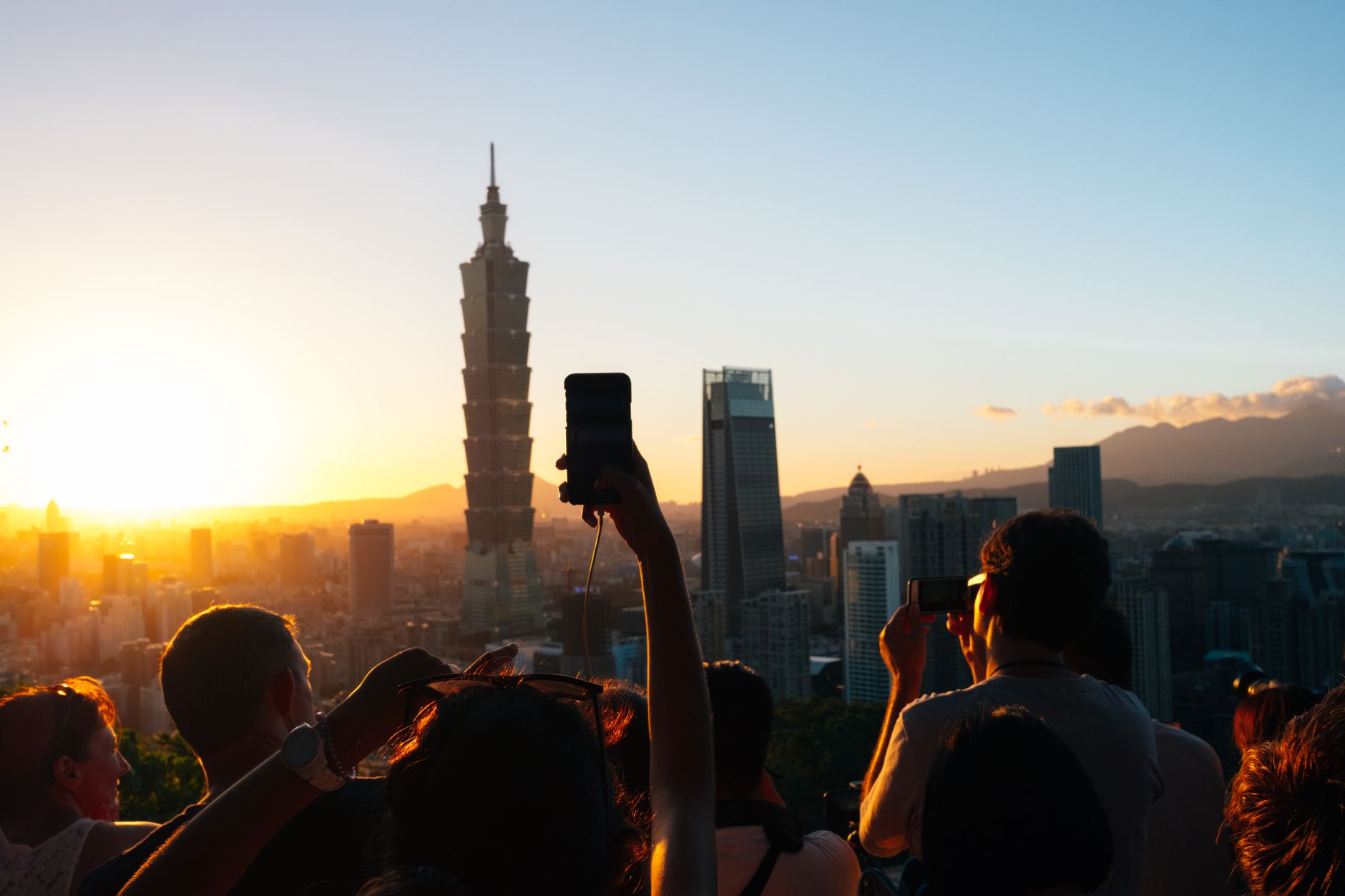
Several factors make Taiwan an attractive proposition for Indian travelers. The destination offers a unique blend of Chinese culture, Japanese influences, indigenous traditions, and modern innovation. From Taipei's bustling night markets and towering Taipei 101 to the natural beauty of Taroko Gorge and Sun Moon Lake, Taiwan presents diverse experiences within a compact geography.
Additionally, Taiwan's reputation for safety, cleanliness, excellent public transportation, and warm hospitality aligns well with preferences expressed by Indian travelers. The island's food scene, which includes vegetarian-friendly options, is another significant draw for the Indian market.
Breaking Down the Co-Investment Approach
The co-investment model creates several advantages for both parties. For Taiwan's tourism authorities, it ensures that participating travel agents and tour operators have a vested financial interest in promoting the destination. This financial commitment often translates into more sustained marketing efforts, dedicated promotional campaigns, and serious business development rather than just a free trip.
For Indian travel partners, the model offers access to extensive destination knowledge and networking opportunities at a reduced cost compared to self-funded research trips. They gain insider access to hotels, attractions, and local suppliers while demonstrating their commitment to the destination, potentially leading to preferential partnerships and support.
Challenges in the India-Taiwan Travel Corridor
Despite its potential, the India-Taiwan tourism relationship faces certain challenges. Limited direct flight connectivity remains a primary obstacle, with most routes requiring connections through Hong Kong, Bangkok, Singapore, or other regional hubs. This adds travel time and cost, making Taiwan less competitive compared to Southeast Asian destinations with better connectivity.
Visa requirements and processes also play a role in travel decisions. While Taiwan has made efforts to simplify entry procedures for Indian nationals in recent years, the destination still faces competition from countries offering visa-free or visa-on-arrival options to Indian passport holders.
Cultural and language barriers, though not insurmountable, require attention. The availability of Hindi-speaking guides, Indian cuisine options in hotels, and culturally sensitive marketing materials can significantly impact the Indian traveler experience.
The Broader Industry Implications
Taiwan's co-investment FAM model may influence how destination marketing organizations approach emerging markets. As marketing budgets face scrutiny and the demand for measurable returns on investment increases, shared-cost models could become more prevalent across the industry.
This approach also reflects a maturation of the tourism marketing landscape. Rather than simply hosting agents on complimentary trips and hoping for results, the model creates accountability and shared objectives. It acknowledges that sustainable tourism partnerships require mutual investment and commitment.
The success of this initiative will likely depend on careful selection of participating travel partners, clear expectations regarding post-trip promotional activities, and ongoing support from Taiwan's tourism board. Metrics such as the number of tour packages developed, actual bookings generated, and growth in Indian visitor arrivals will ultimately determine whether this model delivers the intended results.
As international tourism continues recovering and evolving in the post-pandemic era, innovative marketing approaches like Taiwan's co-investment FAM model may point the way toward more effective and sustainable destination promotion strategies.