Taiwan is rolling out an innovative approach to capture a larger slice of India's booming outbound tourism market. The Taiwan Tourism Administration has introduced a co-funded familiarization trip model designed to forge stronger relationships with Indian travel trade professionals, marking a strategic shift in how destinations engage with the travel industry.
Understanding Familiarization Trips
Familiarization trips, commonly known as FAM trips in the travel industry, are subsidized educational tours organized for travel agents, tour operators, and travel media. These trips allow trade professionals to experience destinations firsthand, enabling them to sell packages more effectively to their clients. Traditionally, destination marketing organizations fully sponsor these trips, but Taiwan's new co-funded model requires participating travel companies to share costs.
The Co-Funded Model Explained
Under this arrangement, both the Taiwan Tourism Administration and participating Indian travel companies contribute to trip expenses. This shared investment approach creates a win-win scenario. For Taiwan, it ensures that participating agents are genuinely committed to promoting the destination rather than simply taking a free holiday. For Indian travel agencies, the reduced cost still represents significant savings compared to a fully self-funded research trip.
The model typically covers accommodation, local transportation, attraction tickets, and some meals, while participating agents may cover their international airfare or a portion of ground expenses. This structure attracts serious business partners who see Taiwan as a priority destination for their portfolio.
Why Taiwan Is Targeting India
India represents one of the world's fastest-growing outbound tourism markets. With a rising middle class, increased disposable incomes, and growing aspirations for international travel, Indian tourists are increasingly looking beyond traditional destinations like Thailand, Singapore, and Dubai.
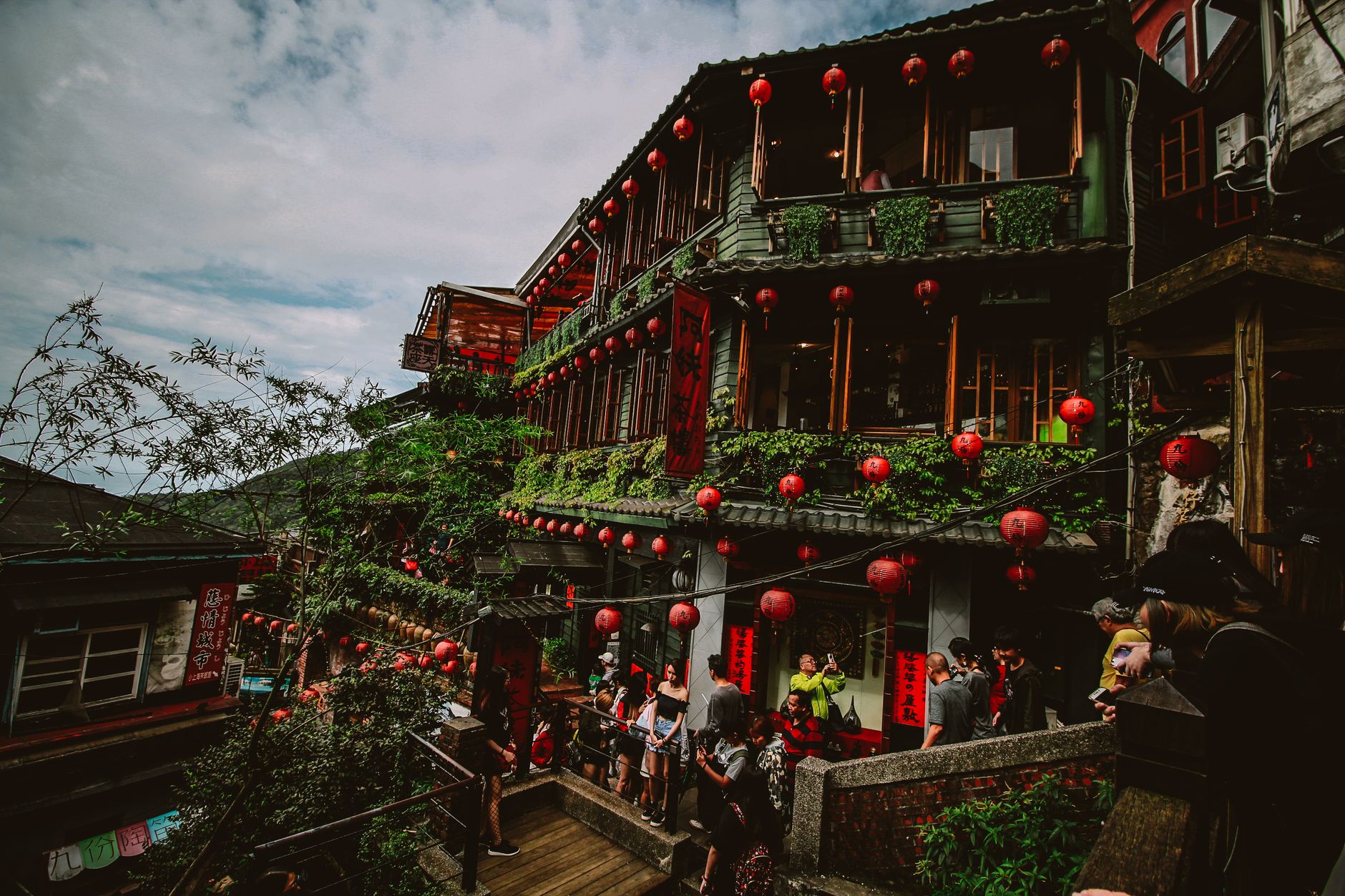
Taiwan offers several advantages for Indian travelers. The island nation boasts diverse attractions including vibrant night markets, stunning natural landscapes like Taroko Gorge, hot springs, modern cities, and rich cultural heritage. Additionally, Taiwan has been working to improve visa processes and provide more India-friendly facilities, including vegetarian food options and Hindi-speaking guides in popular tourist areas.
The timing is strategic. As international tourism rebounds post-pandemic, destinations are competing aggressively for market share. India's outbound tourism is projected to grow substantially over the next decade, making early investment in trade relationships particularly valuable.
Impact on Indian Travel Trade
For Indian travel agents and tour operators, this initiative opens doors to expand their destination portfolio. Taiwan remains relatively underexplored compared to more established Asian destinations, presenting an opportunity to offer clients something different.
Travel professionals who participate in these FAM trips gain invaluable knowledge about Taiwan's tourism infrastructure, accommodation options, transportation networks, and attractions. This firsthand experience enables them to craft more compelling itineraries, answer client queries with confidence, and potentially negotiate better rates with Taiwan-based service providers.
The co-funded model also demonstrates Taiwan's seriousness about the Indian market. When destinations invest in trade education and partnership development, it signals long-term commitment rather than short-term promotional tactics.
Broader Implications for Tourism Marketing
Taiwan's approach reflects evolving trends in destination marketing. As marketing budgets face scrutiny and competition intensifies, tourism boards are seeking more accountable, result-oriented strategies. Co-funded models ensure that participating agents have skin in the game, potentially leading to more meaningful business outcomes.
This model may inspire other destinations targeting Indian travelers to adopt similar approaches. Countries like South Korea, Japan, and emerging destinations in Eastern Europe could implement comparable frameworks to deepen trade engagement without exhausting their promotional budgets.
What This Means for Indian Travelers
Ultimately, stronger trade relationships between Taiwan and Indian travel companies should translate into better options for Indian tourists. As more agents become familiar with Taiwan, travelers can expect more diverse package options, competitive pricing, and knowledgeable guidance when planning Taiwan holidays.
The initiative may also encourage Taiwan to further tailor its offerings for Indian preferences, including more vegetarian dining options, culturally sensitive services, and potentially more direct flight connections between Indian cities and Taiwan.
Taiwan's co-funded FAM model represents a sophisticated evolution in destination marketing, balancing investment efficiency with genuine trade partnership building. For India's travel industry and travelers alike, this deepening engagement promises exciting new possibilities in Asian travel.