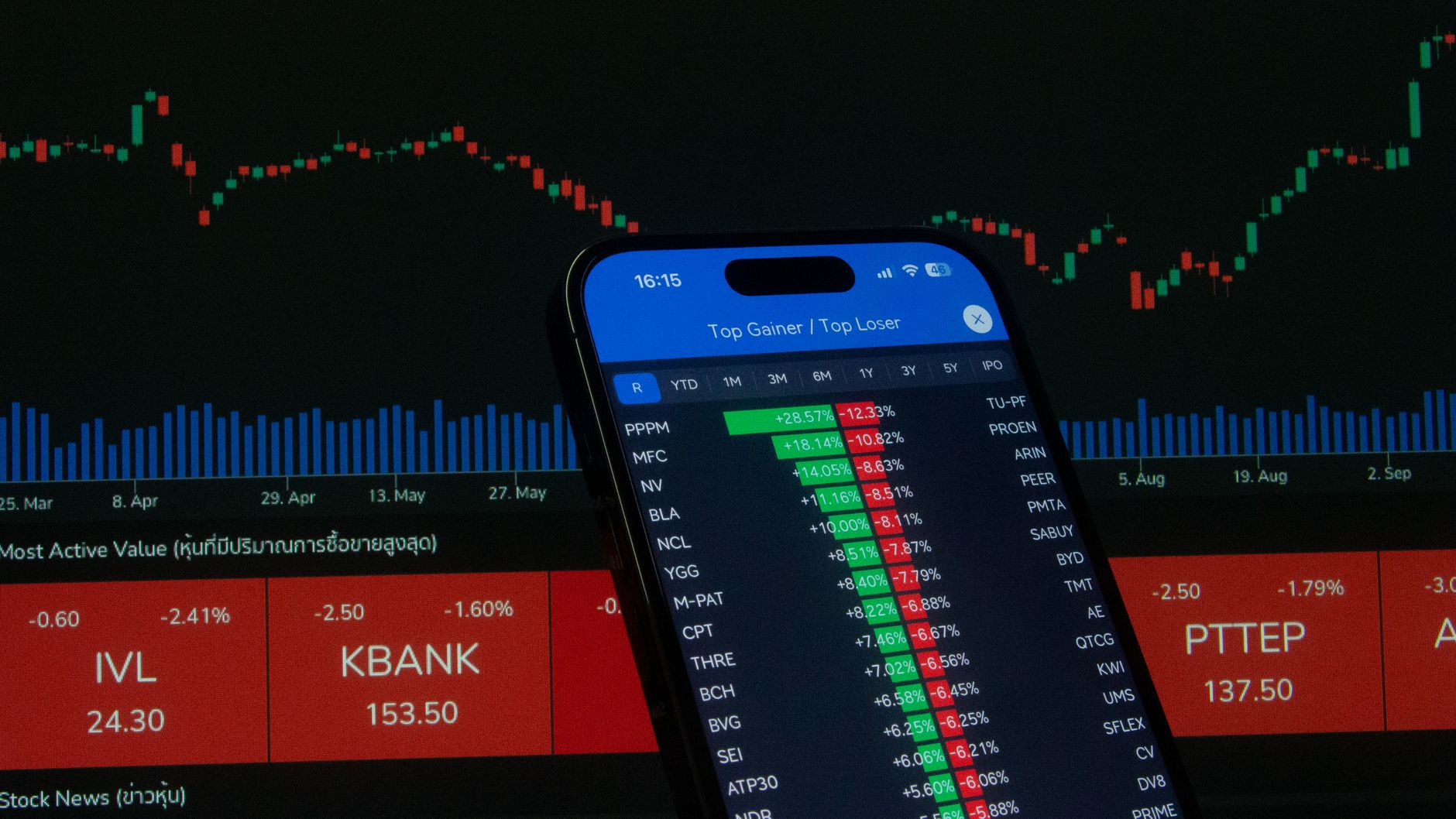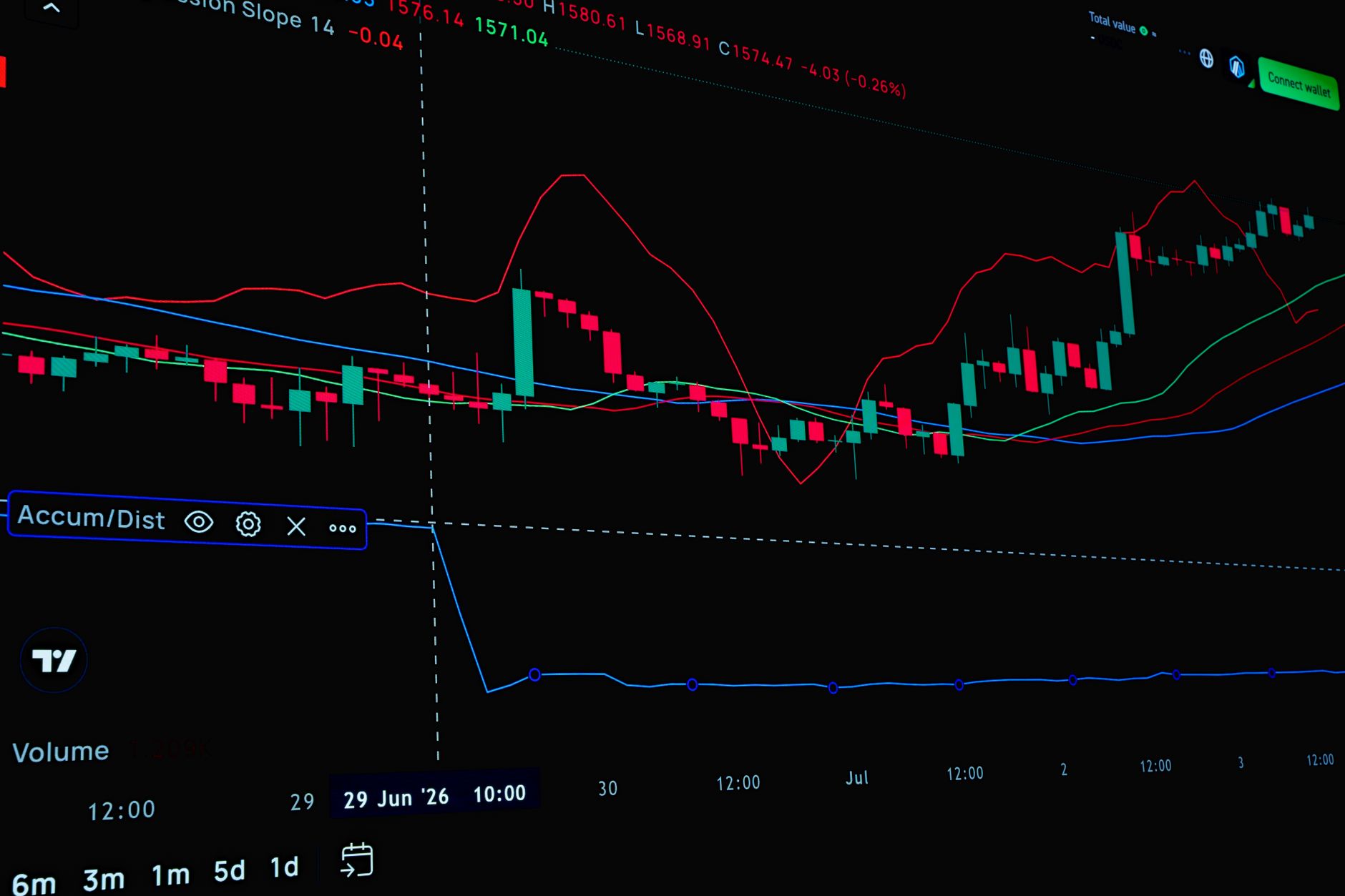
Indian equity markets experienced significant turbulence today as benchmark indices tumbled sharply, leaving investors concerned about their portfolios. The BSE Sensex plummeted over 900 points while the Nifty50 index closed below the psychologically important 23,800 mark, reflecting widespread anxiety across market segments.
What Triggered the Sharp Decline?
Market crashes rarely stem from a single cause. Today's downturn appears to be the result of multiple domestic and global factors converging simultaneously, creating a perfect storm for equity markets.
Global Cues and Foreign Institutional Selling
Foreign institutional investors (FIIs) play a crucial role in Indian markets, and their recent selling pattern has put consistent pressure on indices. When global markets face uncertainty—whether from geopolitical tensions, concerns about economic growth in major economies, or shifts in monetary policy expectations—FIIs often reduce exposure to emerging markets like India. This capital outflow creates selling pressure, particularly in large-cap stocks that these investors typically hold.
The strengthening of the US dollar against emerging market currencies, including the rupee, often prompts foreign investors to repatriate funds, adding to the downward momentum.
Concerns Over Corporate Earnings
Corporate earnings season often sets the tone for market sentiment. When major companies report results that fall short of analyst expectations or provide cautious guidance for upcoming quarters, it triggers reassessment of valuations across sectors. Disappointing earnings from key index constituents can have an outsized impact on benchmark indices due to their significant weightage.
Sectors such as banking, information technology, and fast-moving consumer goods typically constitute large portions of major indices, so weakness in these areas amplifies overall market declines.
Valuation Concerns and Profit Booking
Indian markets have seen substantial rallies over extended periods, leading to elevated valuations in certain segments. When stocks trade at high price-to-earnings multiples relative to historical averages or global peers, they become vulnerable to correction. Investors who have accumulated gains often use such opportunities to book profits, creating selling cascades.
High valuations make markets particularly sensitive to any negative news, as the margin for disappointment narrows considerably when stocks are priced for perfection.
Macroeconomic Headwinds
Domestic economic indicators play a vital role in shaping investor sentiment. Concerns about inflation remaining elevated can worry investors, as it constrains consumer spending and corporate profit margins. Similarly, if there are anxieties about economic growth momentum slowing, it affects expectations for future corporate earnings.
Additionally, crude oil price movements significantly impact the Indian economy. Rising oil prices can worsen the trade deficit, put pressure on the rupee, and increase input costs for businesses, creating a challenging environment for equities.
Technical Factors and Market Momentum
Markets often exhibit herd behaviour, where initial selling triggers technical stop-losses and margin calls, creating self-reinforcing downward spirals. When key support levels are breached—such as Nifty falling below important psychological thresholds—technical traders who follow chart patterns may increase selling, accelerating the decline.
Derivative market activity, particularly in futures and options, can amplify volatility during such periods as traders adjust positions rapidly.
What Should Investors Do?
Market corrections, while unsettling, are normal features of equity investing. Sharp single-day declines often create opportunities for long-term investors to accumulate quality stocks at more reasonable valuations. However, knee-jerk reactions driven by panic rarely serve investors well.
For those with diversified portfolios aligned with their financial goals and risk tolerance, staying invested through volatility has historically proven rewarding. This is particularly true for investors with long investment horizons who can ride out short-term turbulence.
However, it's equally important to review whether your portfolio allocation still matches your risk appetite and whether rebalancing is needed. Those heavily concentrated in equities might consider whether their asset allocation needs adjustment.
Market crashes can be stressful, but they're also reminders of why diversification, disciplined investing, and maintaining an emergency fund outside equities are fundamental principles of sound financial planning.
This article is for general informational purposes only and should not be construed as financial advice. Readers should consult with qualified financial advisors before making investment decisions based on their individual circumstances, risk tolerance, and financial goals.